
Apple (AAPL) will report its third-quarter financial results tomorrow (Monday), in a report marking the beginning of a new era at the company: These will be the first results under new CEO John Ternus, who took office in September after Tim Cook's 15-year tenure. The report comes at a sensitive time for the tech giant, which must contend with rising production costs, higher product prices for consumers and questions about its place in the artificial intelligence race.
The results are expected to be the focus of investors' attention not only because of the numbers, but also because of the messages Ternus will deliver during his first investor call. Key topics will include the pace of new product launches, pricing policy, the integration of AI capabilities into devices and the investments required in the field.
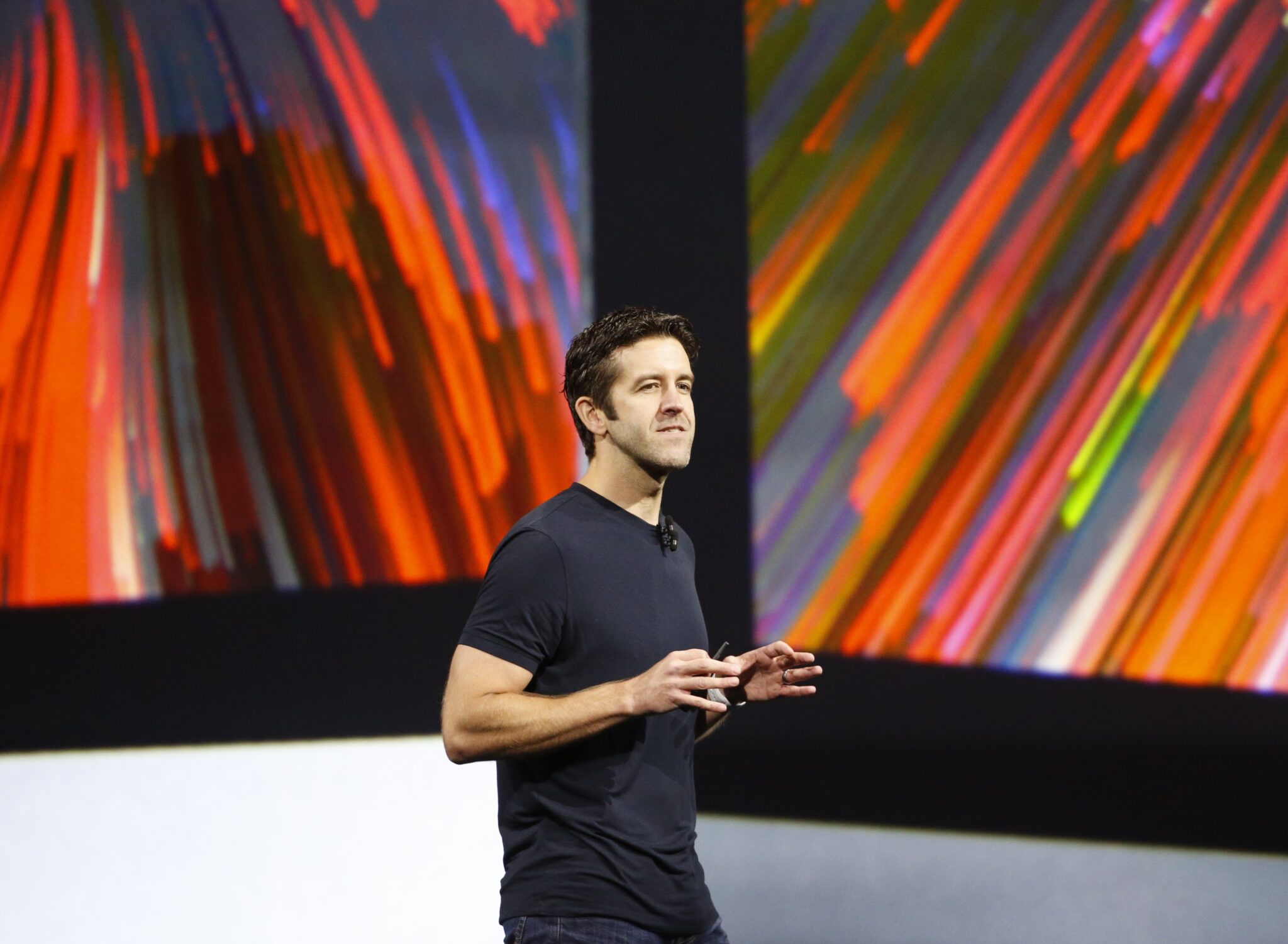
The timing is no coincidence. Last Friday, Apple regained the title of the world's largest company by market capitalization, while some tech giants are grappling with investor concerns over the enormous scale of investment in artificial intelligence. Apple's relatively restrained approach to spending on the development of AI models has helped it avoid some of the pressure affecting other companies in the industry.
The Challenge: Memory Costs and Consumer Prices
One of the main challenges facing Apple is the ongoing shortage of memory chips amid growing demand from the artificial intelligence industry. Rising chip prices are increasing the production costs of devices such as iPhones and Mac computers, leaving the company with a difficult decision: absorb some of the costs or pass them on to consumers.

In practice, Apple has already begun raising prices. Some iPhone models recently became $100 more expensive, while the starting price of a MacBook Air rose from $999 a year ago to $1,299 today. At the same time, the company also offers less expensive products, including the MacBook Neo, in an effort to remain accessible to a broad range of customers.
The price increases come after an especially strong year of iPhone upgrades, so expectations for Apple are also higher. Gil Luria, an analyst at D.A. Davidson, described the quarter as “challenging” because of the opposing forces affecting the company: high memory costs on the one hand and high expectations for continued growth on the other.
At the same time, the company may benefit later from the launch of the new foldable iPhone, the iPhone Duo, which arrived in stores last month. However, the device will not affect the results for the current quarter. The launch itself also did not go smoothly: Some apps are still not compatible with the device, and there have been reports of users encountering cracks in the foldable screen shortly after purchase. Its price ranges from about $2,000 to $3,000, depending on the model.
Will Ternus Change Apple's AI Strategy?
Another key question will be how the new CEO intends to position Apple in the artificial intelligence race. Unlike rivals such as Microsoft, Google and Meta, Apple has so far avoided massive investments in developing its own models, choosing instead to focus on integrating AI capabilities into its products and operating system.
This year, the company deepened its collaboration with Google's Gemini, thereby shifting a significant portion of model development to an external platform. Preserves the attractiveness of its product ecosystem and user loyalty.
Investors are expected to be particularly interested in the progress of Siri AI and the company's plans to integrate new capabilities into its devices. Ternus, who assumed the role after serving as senior vice president of hardware engineering, may also be asked about the pace of product launches. Apple has recently introduced a series of new products, including the foldable iPhone, a MacBook Pro with a touchscreen, a new iPad mini, HomePod and a home management device called HomeView.
According to analysts, Ternus' engineering background may lead him to focus more on product development and expanding the device lineup. However, it is too early at this stage to determine whether this represents a significant strategic shift or a continuation of the course set by Cook.
Are the Tech Giants Losing Their Growth Advantage?
Apple's results come amid a broader shift in the trend on Wall Street. For years, the companies in the “Magnificent Seven” group were a major growth engine in the U.S. market, but third-quarter data indicate that they are beginning to lag the other companies in the S&P 500.
According to FactSet data released Friday, the combined earnings growth rate of the seven companies — Apple, Alphabet, Amazon, Meta, Microsoft, Nvidia and Tesla — fell from an estimate of 33.6% at the end of September to 22.6% today. This came after only two of the five companies that have already reported results managed to beat analysts' earnings-per-share forecasts.
By contrast, the combined earnings growth rate of the other 493 companies in the index rose from 27.8% at the end of September to 32.6% today. According to FactSet, about 82% of the companies in the index that have already reported results posted earnings per share above analysts' forecasts.
If the trend continues, this will be the first time since the fourth quarter of 2022 that earnings growth among the Magnificent Seven has been lower than that of the other companies in the index — a period that preceded the surge in the artificial intelligence race.
Apple shares have risen 26.8% since the beginning of the year and traded at around $345 at the end of the week, slightly below recent highs. The results and Ternus' investor call may provide the first indication of how the company intends to maintain its position in the market, precisely at a time when the advantage of the major tech giants can no longer be taken for granted.