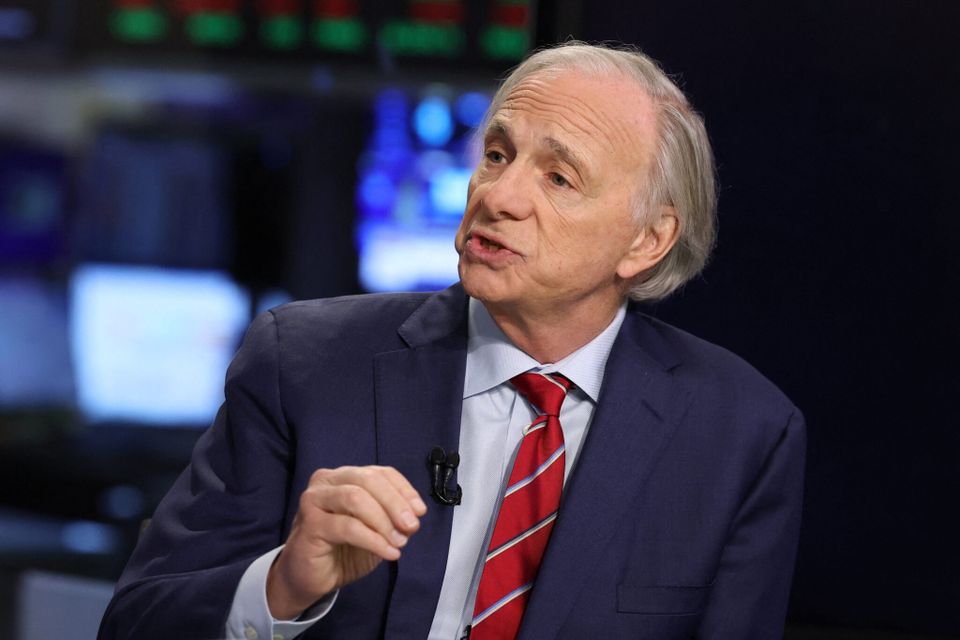
Legendary investment manager Ray Dalio, founder of hedge fund Bridgewater Associates, is warning of the risks in the artificial intelligence stock market. Dalio, who managed the fund for decades, said in August on The Diary of a CEO podcast that the AI market is showing what he called “classic signs” of a bubble, reminiscent of previous periods of stock market bubbles.
One metric illustrating the market’s valuation level is the CAPE ratio, also known as the Shiller P/E, which examines market value relative to average real earnings over a long period. The ratio for the S&P 500 Index currently stands at about 41, above the level recorded in 1929 and below the peak of about 44 recorded in 2000.

What risks could burst the bubble?
Dalio does not present the existence of a bubble as a binary “yes or no” situation, but rather as a spectrum of valuation and risk levels. Among the factors that could put pressure on the market, he cites an increase in interest rates or changes in taxation, which could lead investors to sell assets and cause sharp declines in stock prices.
Another risk factor is raising capital by issuing additional shares, which could dilute existing shareholders. In a scenario in which companies in the sector continue raising large sums to finance infrastructure and data centers, this risk could become more significant, especially for companies that rely on debt for financing.
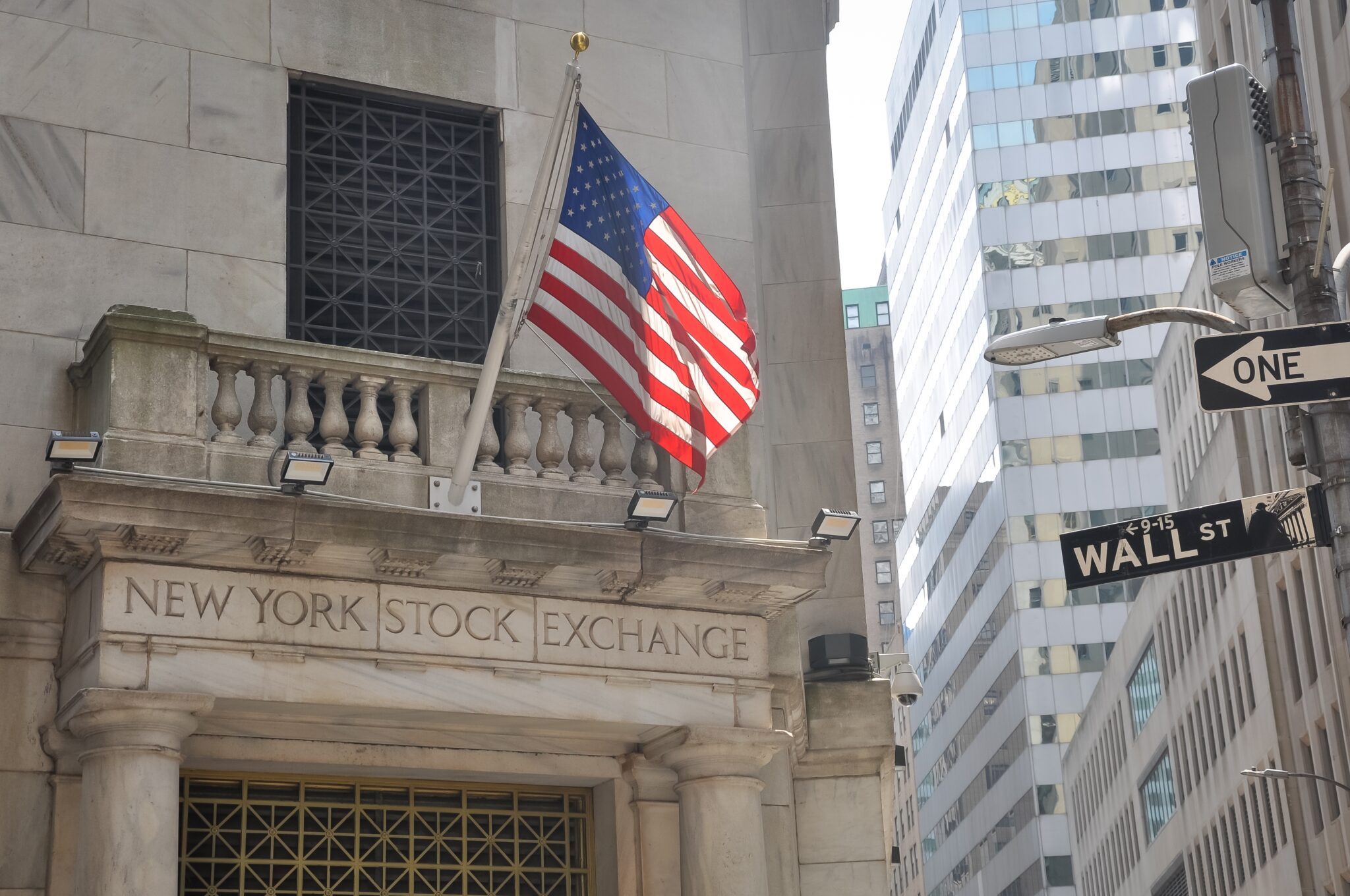
However, Dalio compares the situation to the bursting of the dot-com bubble and emphasizes that even if the bubble bursts, it does not mean the AI sector will disappear. The internet survived the crisis of 2000 and continued to develop, although many companies in the sector did not survive it, and the same could happen now.
The differences among companies in the industry
One example of the differences among companies is Alphabet, Google’s parent company. The company is expected to invest about $195 billion to $205 billion this year in AI-related capital expenditures, but at the same time it generated about $53 billion in free cash flow over the past 12 months, allowing it to finance a significant portion of its investments itself.
The situation of other companies is entirely different, as some have invested large sums in infrastructure using debt. An increase in interest rates or a sharp decline in demand for infrastructure could weigh significantly on them, and in an extreme scenario in which demand weakens, these leveraged companies could face financing difficulties and even the risk of insolvency.

Dalio’s track record adds weight to his warning. In 2008, when the S&P 500 Index lost about 37%, Bridgewater’s flagship fund posted a positive return of 9.5%. Dalio no longer manages the fund, so its current investments in companies such as ServiceNow and Nutanix do not necessarily reflect his personal position.