
U.S. Finance Minister Scott Bessent said today (Tuesday) that the U.S. bond market has outperformed the bond markets of the world's major economies since Donald Trump returned to the White House. His remarks came as the 10-year U.S. Treasury yield rose to its highest level in nearly 20 months, amid a wave of declines in bond markets worldwide.
Bessent said during a meeting of finance ministers and central bank governors from the G20 countries in Asheville, North Carolina, that the U.S. bond market is "the best-performing market" among the world's major markets.

However, Bessent's comparison covers the period beginning after Trump took office and overlooks the fact that investors began selling U.S. bonds even before his inauguration in January 2025. During this period, markets had already priced in the possibility of faster growth, higher inflation and an increase in U.S. debt.
In practice, over the past 2 years, the U.S. bond market has ranked roughly in the middle in terms of performance compared with the bond markets of the world's major economies.
Bond Yield Climbs
The 10-year U.S. Treasury yield rose to its highest level in nearly 20 months. The increase is part of a global trend, with government bond yields rising in many countries and borrowing costs in some reaching levels not seen in decades.
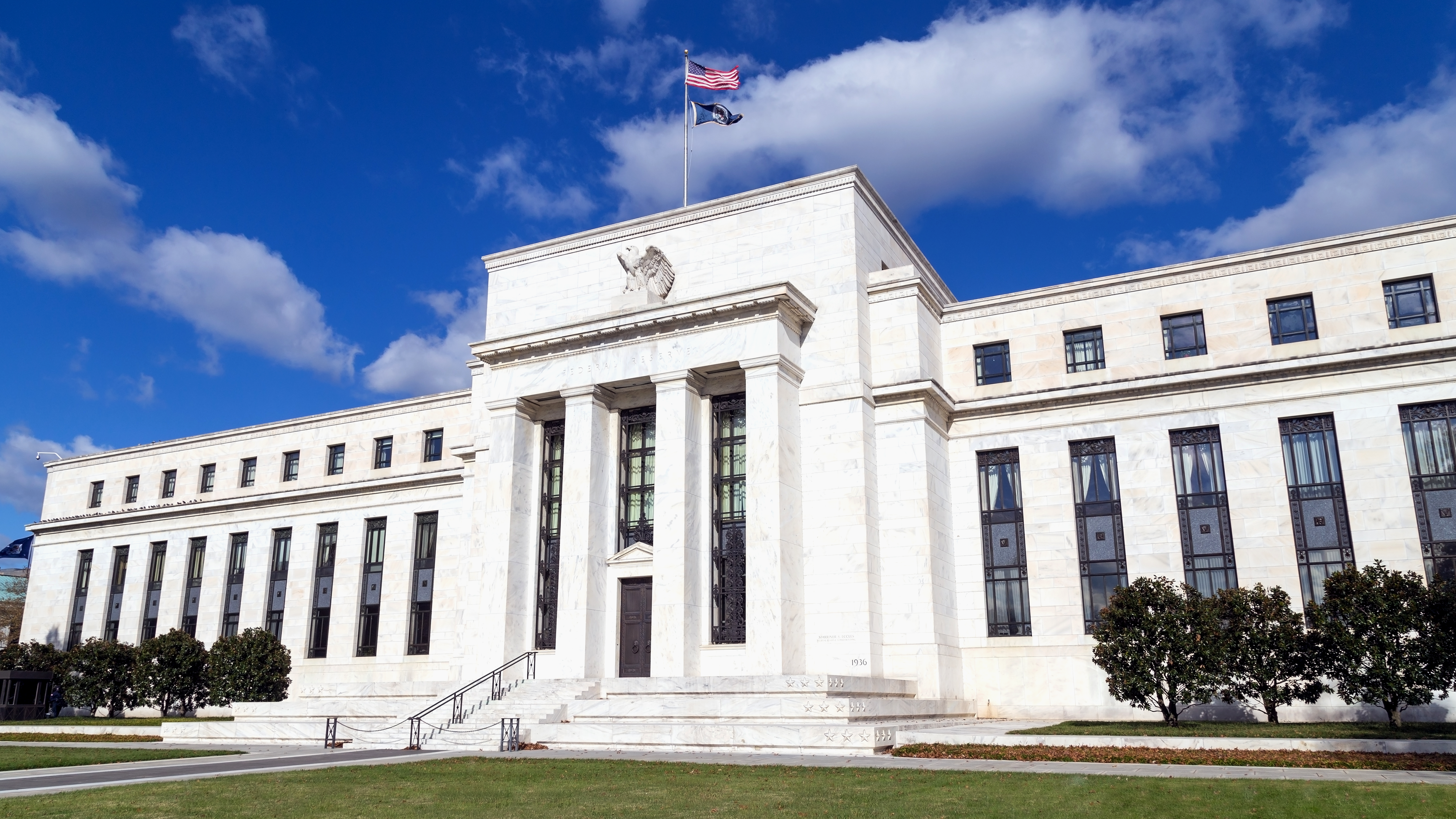
The rise in yields reflects, among other things, uncertainty surrounding the Federal Reserve's interest rate policy and concerns that the interest rate will remain high for an extended period. When investors expect a higher interest rate or higher inflation, they demand a higher yield on government bonds.
Middle East Tensions Increase Pressure
Alongside developments in the bond market, geopolitical tensions are adding pressure to the markets. The resumption of U.S. strikes in the Strait of Hormuz area and attacks on commercial vessels in the region have led to an increase in oil prices.
The concern is that a prolonged rise in energy prices will intensify inflationary pressures and complicate the Federal Reserve's decisions regarding the interest rate. If inflation strengthens, the prospect of interest rate cuts could recede, while expectations for a higher interest rate could continue to push bond yields upward.
Bessent also addressed the rise in Japan's bond yield and said it is difficult to disentangle the factors influencing movements in financial markets, but noted that, in his view, Japan is taking the right steps.
The Gap Between Bessent's Remarks and Market Data
Bessent also said that short-term movements in the bond market are not significant, arguing that "what happens over 1 month does not matter." However, the 10-year U.S. Treasury yield has risen by about 18 basis points since Trump's second inauguration, contrary to an earlier claim by Bessent that the yield had remained unchanged.
Meanwhile, Trump and Bessent continue to focus on promoting economic growth in the U.S. But amid rising yields, oil prices and inflation concerns, markets must contend with the possibility that the high-interest-rate environment will persist longer than expected.