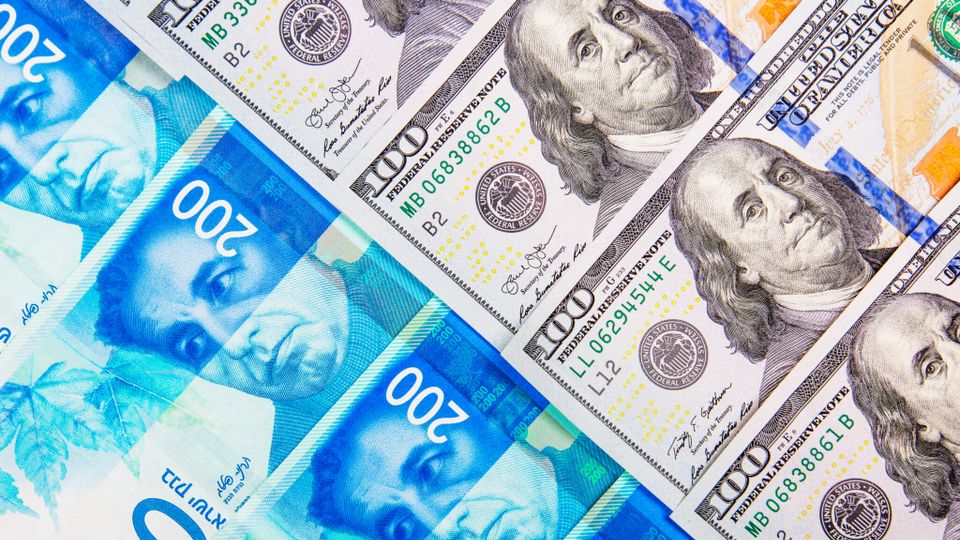
The dollar strengthened to a two-month high amid rising expectations of further interest rate hikes by the Federal Reserve, while the decline in oil prices could alter the inflation outlook and interest rate expectations.
The dollar index gained 0.24% to 100.79 points, while the euro fell 0.25% to $1.142 — its lowest level since late July. The pound weakened 0.3% to $1.3305.
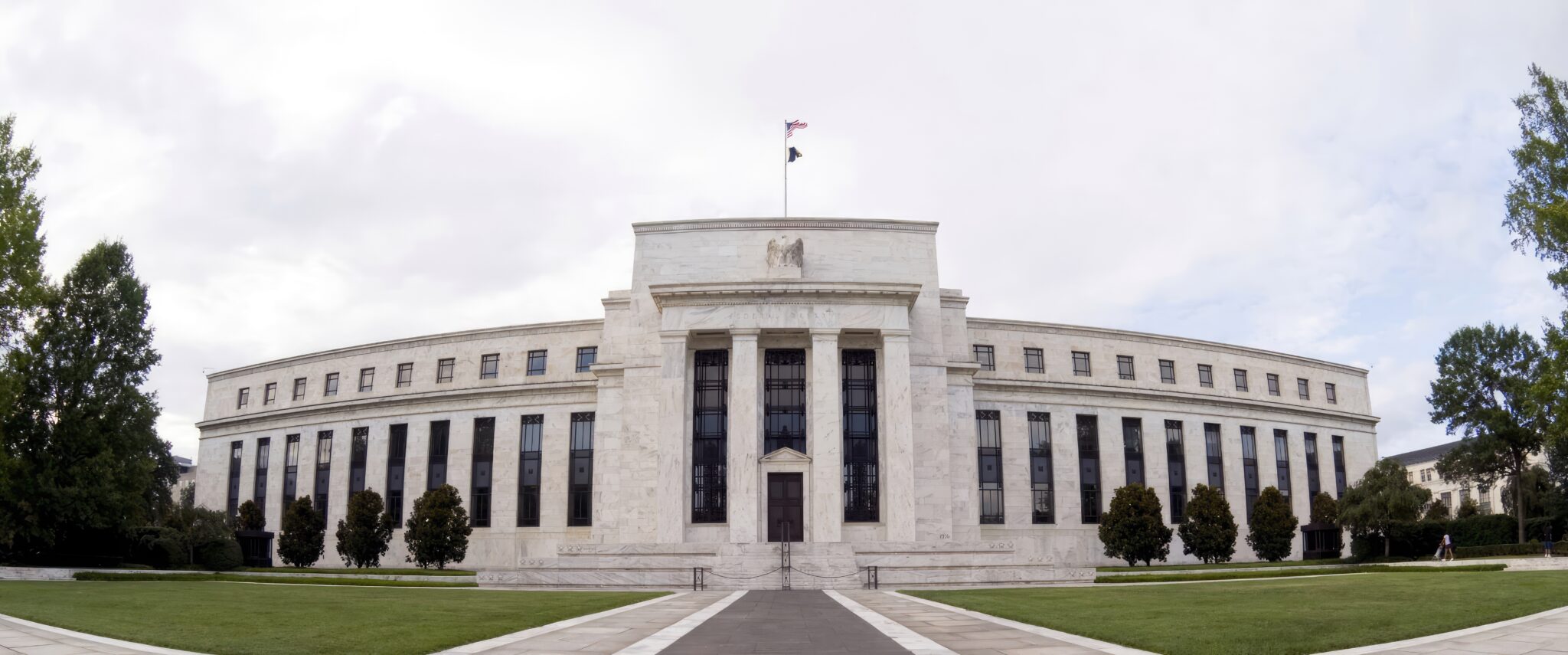
Expectations regarding Federal Reserve policy have become the main factor driving the foreign exchange market. Fed officials signaled this week that the central bank may continue tightening policy if inflation does not moderate at a sufficient pace, providing further support for the dollar.
Oil prices resumed rising after five consecutive days of declines. Brent futures rose slightly above $99 a barrel after hopes for diplomatic progress at the U.N. General Assembly contributed to lower prices. Since the conflict broke out in late February, the price of Brent has risen 37%.
At the same time, diesel prices remain particularly high — reaching a record in the U.S. and their highest level in several years in Europe. U.S. President Trump expressed support for a ban on U.S. diesel exports to lower domestic prices, but analysts warn that such a move could reduce fuel supplies in global markets.

Developments between the U.S. and Iran continue to affect the markets as well. In his U.N. address, Trump threatened to escalate the campaign if no agreement is reached, but he also signaled that a diplomatic solution remains possible.
The yen traded at 157.8 to the dollar as investors continued to prepare for possible intervention by Japanese authorities. The country’s central bank recently raised the interest rate to its highest level in 31 years, but the move failed to bolster expectations that further increases are ahead.

The fact that markets in Japan are closed today for a holiday is reducing liquidity, a situation that could make it easier for authorities to intervene if they choose to do so.
The dollar gained about 0.35% against the shekel (NIS), trading at around NIS 3.01.