The US dollar strengthened today (Monday) and traded near its highest level in a year and a half, as the escalation in the Middle East increased caution in the markets ahead of the release of US inflation data on Wednesday. The data could affect investors' expectations regarding the future course of the Federal Reserve's interest rate policy.
Security tensions in the region are also affecting the energy market. The Iran-backed Houthis in Yemen have stepped up their attacks against Saudi Arabia, and two tankers were attacked over the weekend. Oil prices were volatile against the backdrop of these developments.
Futures for Brent crude fell 0.5% to $104 a barrel after US President Donald Trump announced yesterday an energy ceasefire between Russia and Ukraine. The trend later reversed and oil prices moved higher after Trump said Russia and Ukraine had reached agreements on halting attacks on energy infrastructure.
Brent crude for December delivery rose more than 1.1% and crossed $105.9 a barrel, while US crude (WTI) for November delivery climbed to around $93 a barrel.
Investors Increase Bets on the Dollar
The dollar index, which measures the US currency against a basket of six major currencies, rose 0.2% to 102.43 points, slightly below the 18-month high recorded last week.
Weekly data from the US market regulator indicated a sharp increase in positions reflecting expectations that the dollar will strengthen. In the week ending October 7, their value reached about $36 billion, compared with just $8.4 billion three weeks earlier. Most of the increase came at the expense of the euro.
Inflation Data Could Change Forecasts
Investors are awaiting the release of the US Consumer Price Index (CPI) on Wednesday, one of the key macroeconomic data points to be published before the Federal Reserve's interest rate decision later this month. The figure could provide direction for further trading in the dollar and affect assessments regarding the central bank's policy.

Data published last week showed that US consumer confidence deteriorated in early October, partly because of the rising cost of living amid the war in the Middle East.
The Federal Reserve raised the interest rate last month for the first time since 2023 in an effort to curb inflation. According to the CME FedWatch tool, markets now see an 81% probability that the interest rate will remain unchanged this month, compared with 51% a month ago.
Meanwhile, volatility in bond markets continues to worry investors. Sharp sell-offs in recent weeks have pushed financing costs around the world to levels not seen in decades, amid concerns about persistent inflation, higher energy costs and expanding government debt.
Euro Weakens Amid Concerns Over France
The euro fell 0.22% to $1.1176 after posting a fifth consecutive week of declines. Pressure on the currency stems in part from investor concerns about France's fiscal position ahead of the 2027 presidential election.
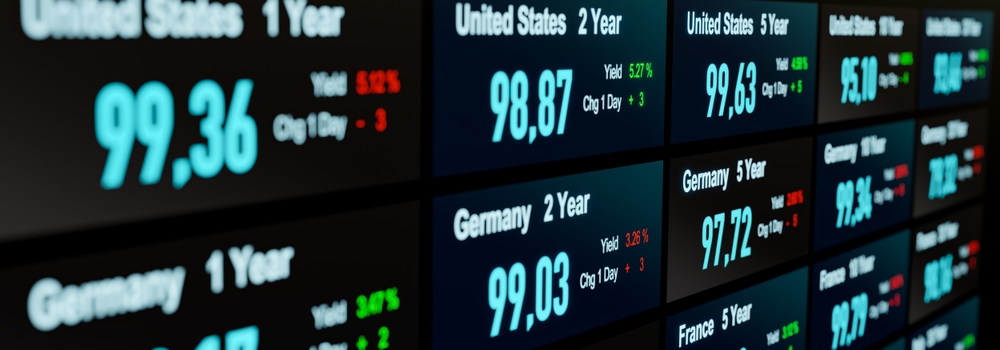
The spread between 10-year French and German government bond yields stood at 140 basis points after approaching 160 basis points last week — the highest level since 2012. The spread reflects, among other things, the higher risk premium investors demand for holding French bonds.
Against the Japanese yen, the dollar strengthened slightly to 158.61 yen in thin trading due to a holiday in Japan. The British pound remained stable at $1.323.
Meanwhile, the Indian rupee strengthened 1.1% to 95.7 rupees per dollar after India's central bank took steps to ease pressure on the currency by shifting oil companies' dollar purchases away from the spot market.
The dollar also strengthened against the shekel, rising about 0.37% to around NIS 3.07.