
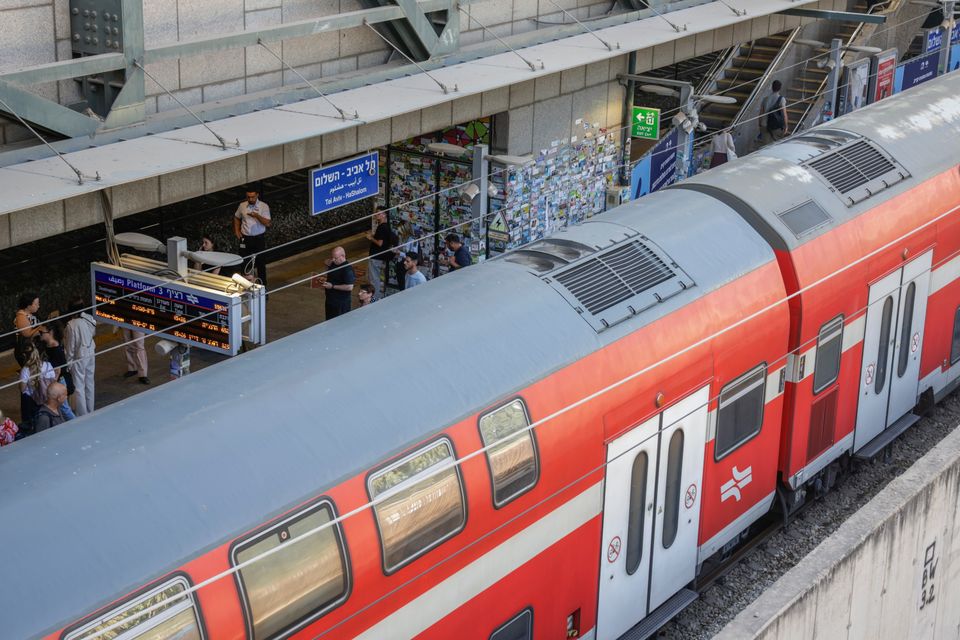
According to an announcement by Israel Railways and the Transportation Ministry published today (Monday), following a record year of 72 million trips in 2025 and more than 300 thousand trips a day in the first half of 2026, a new timetable will be launched on Saturday night, November 14, 2026.

The move is intended to meet growing demand and brings a significant service improvement for residents of Hadera West, Netanya and Beit Yehoshua, alongside a series of operational adjustments and changes across the network.
Infrastructure Comes Online: The Growth Engines Behind the New Timetable
The systemwide upgrade is made possible by the completion of several long-term infrastructure projects in which billions of shekels were invested.
Foremost among them is the launch of the new Eastern Railway, which made it possible to divert freight trains and heavy equipment from the Coastal Railway bottleneck.
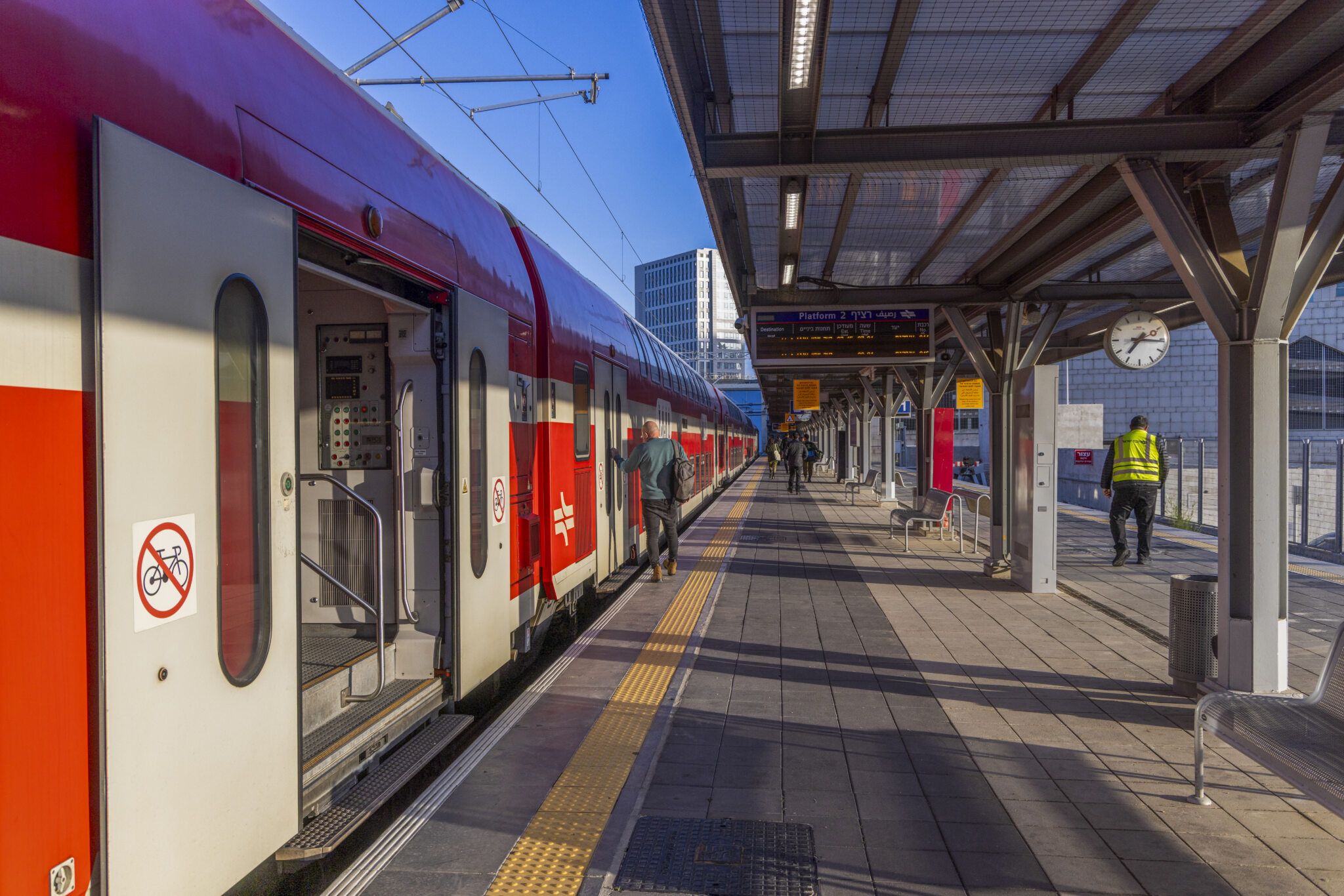
At the same time, progress on the electrification project made it possible to introduce modern, high-capacity electric trains into service in place of the old diesel trains.
Another critical technological component is the implementation of the advanced ETCS Level 2 signaling system, which is expected to enable denser and safer traffic management and increase train frequency throughout the day.
Direct Connection to Employment and Aviation Hubs
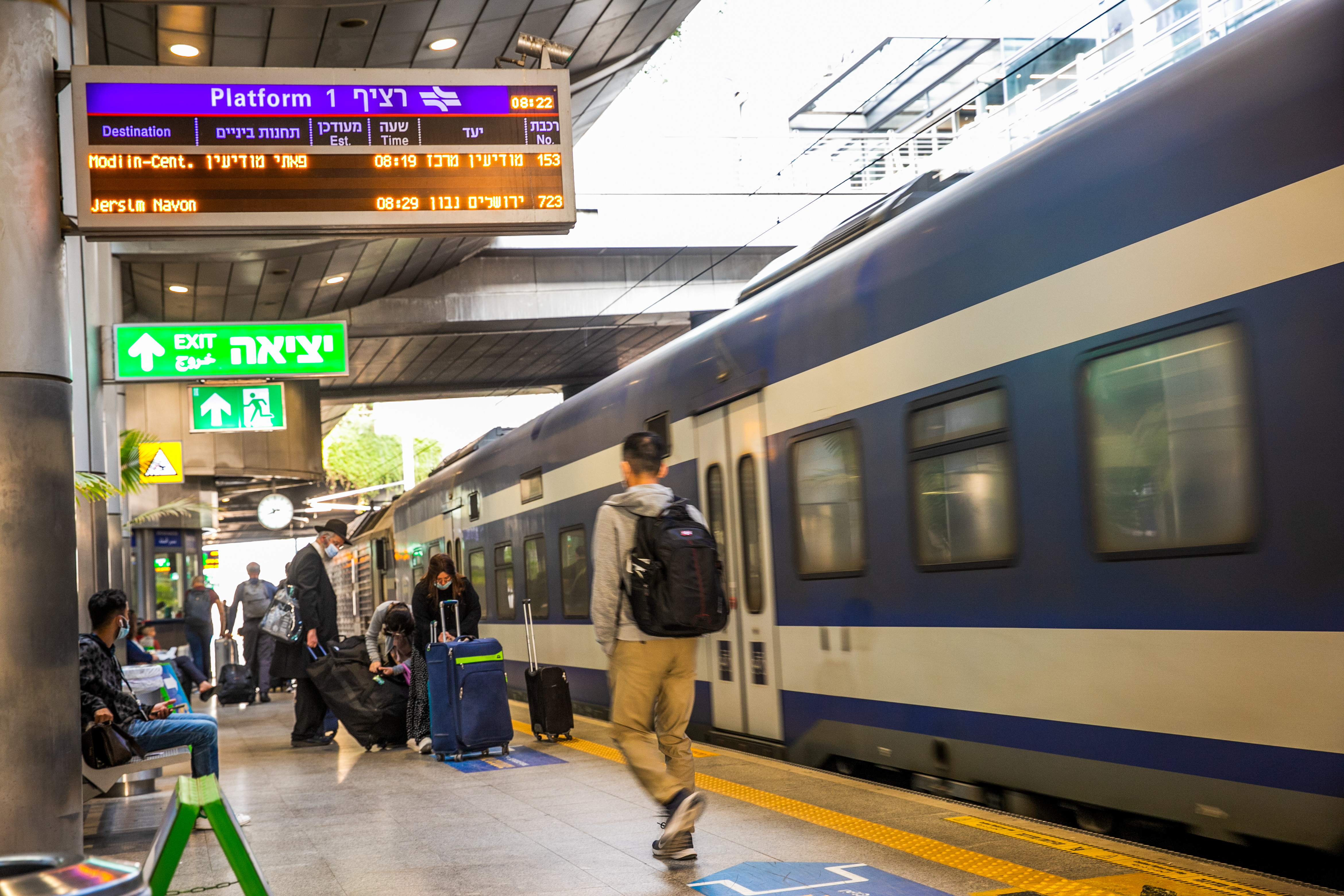
The highlight of the updated timetable is the northward extension of the Jerusalem-Yitzhak Navon–Tel Aviv–Herzliya line. Beginning in the middle of the month, residents of Hadera West, Netanya and Beit Yehoshua will have direct trains, without the need to transfer, to Ben Gurion Airport and the capital, around the clock.
The move is accompanied by increased train service during off-peak hours and the addition of about 140 thousand seats a day at the main stations along the route, including Herzliya, Tel Aviv University and Lod Ganei Aviv.
The change is expected to significantly shorten travel times to employment centers.
The Cost of Streamlining: Trade-Offs and Adjustments on Secondary Routes
Alongside the notable improvements, the reallocation of resources will have a localized impact on some other travel routes following an analysis of demand and capacity considerations.
Passengers traveling from Hadera West station toward Haifa will lose the direct stop on the Beersheba–Karmiel line and will be required to transfer at Binyamina station, extending travel time by about 16 minutes.
In addition, trains during peak hours on the Beit Shemesh–Netanya and Rehovot–Netanya lines will be shortened and will terminate at Herzliya station.
Adjustments in Outlying Areas and Improved Local Connectivity
The new timetable also includes updates to lines in outlying areas and secondary connecting routes. Morning trains on the Valley Line, which serves the communities of Beit She'an and Afula, will extend their route and also stop at Haifa Bat Galim, Haifa Hof HaCarmel and Atlit stations, providing a more direct and convenient connection to employment centers in the Haifa metropolitan area.
At the same time, trains on the Binyamina–Ashkelon line will add a permanent stop at Lod Ganei Aviv station, a move that will provide a more direct and convenient connection for passengers between the Ganei Aviv neighborhood and surrounding communities, foremost among them Kfar Chabad.
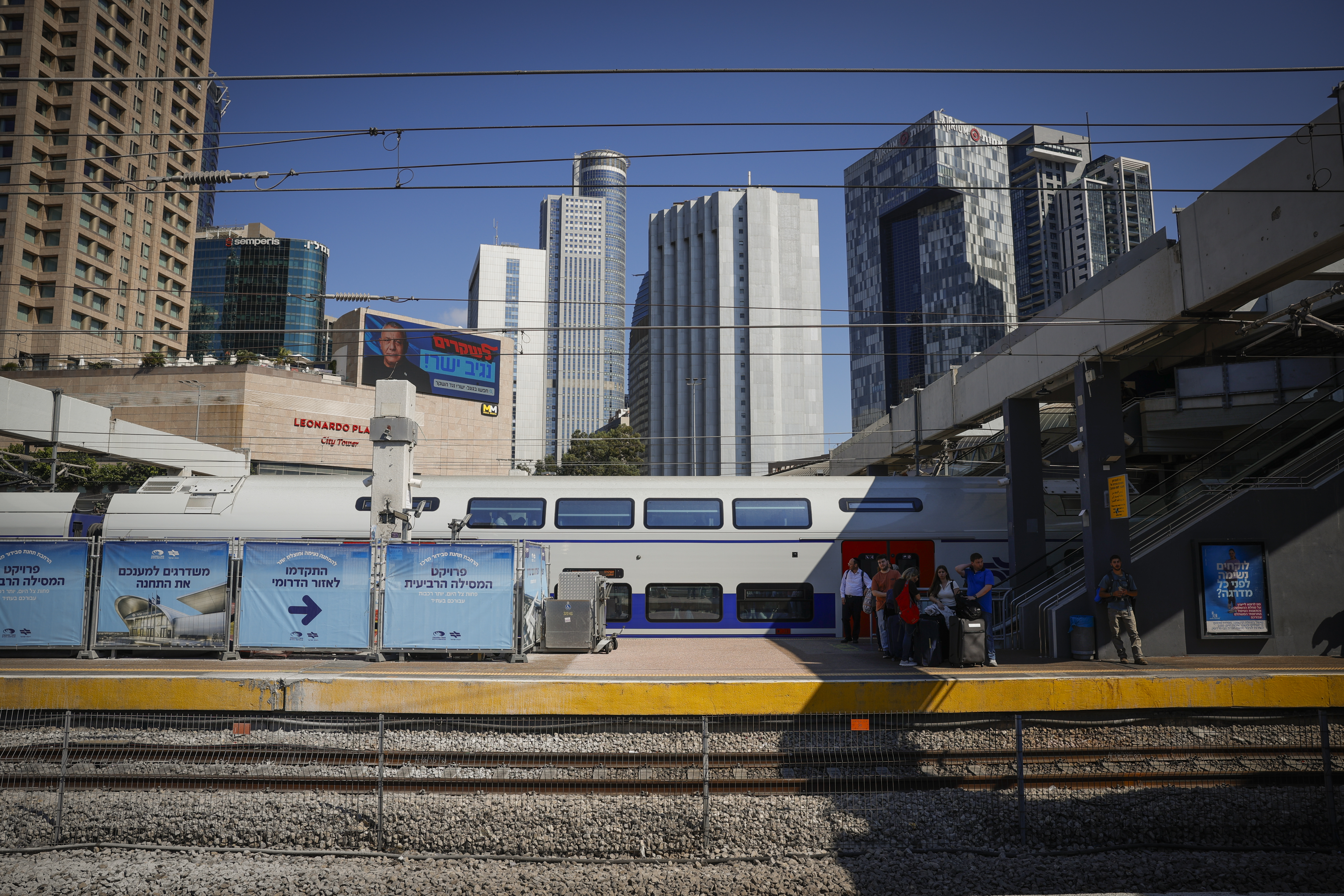
Israel Railways recommends that passengers check the precise timetables in advance through the app and service centers before the changes take effect.