
Crude oil prices are falling for the second consecutive day as markets reassess the likelihood of a diplomatic agreement that would end the conflict between the United States and Iran.
The conflict, which has disrupted global energy supplies for eight months, has led to severe volatility. WTI crude has now fallen 2.3% to $96.23, while Brent crude has lost about 3% and is trading at around $103 a barrel.
The current trend follows a sharp drop of more than 7% in the previous trading session, amid rumors and reports of progress in talks between the parties.
Signals From Washington and Tehran Calm Markets
The sharp decline in prices began after both Washington and Tehran signaled a willingness to open a dialogue.
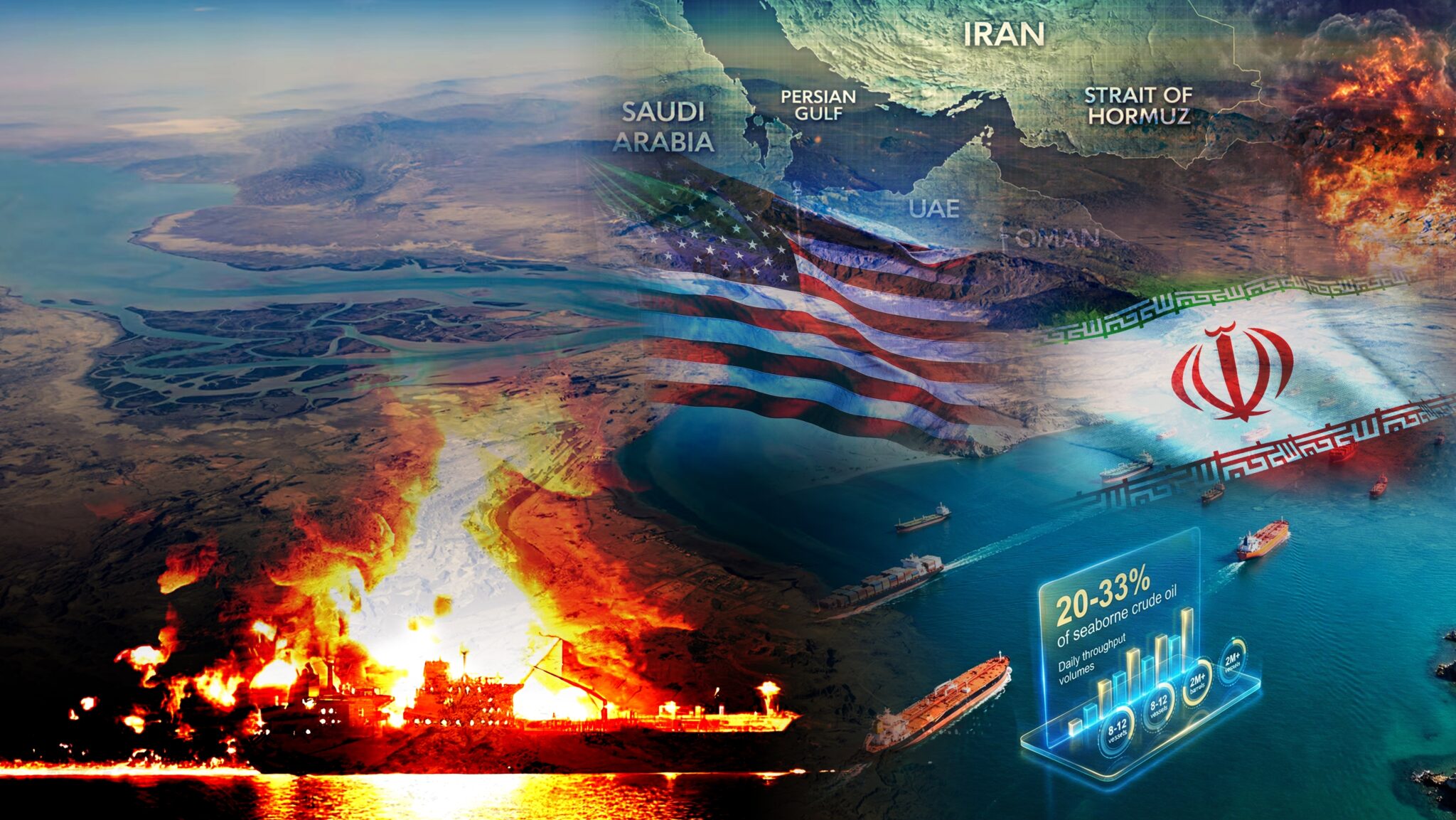
U.S. President Donald Trump told reporters that Iran wants to reach an agreement and that it could certainly happen. His remarks were reinforced by statements from Vice President JD Vance and Secretary of State Marco Rubio, who emphasized that the administration seeks to resolve the conflict through diplomatic means and prefers to avoid the continued use of military force.
Tensions on the Ground Alongside Dialogue Efforts
Despite cautious optimism on the diplomatic front, the situation in the Middle East remains volatile. Just yesterday, U.S. forces carried out attacks on Iran's Qeshm Island as part of what Washington described as limited operations aimed at preventing a broader escalation.
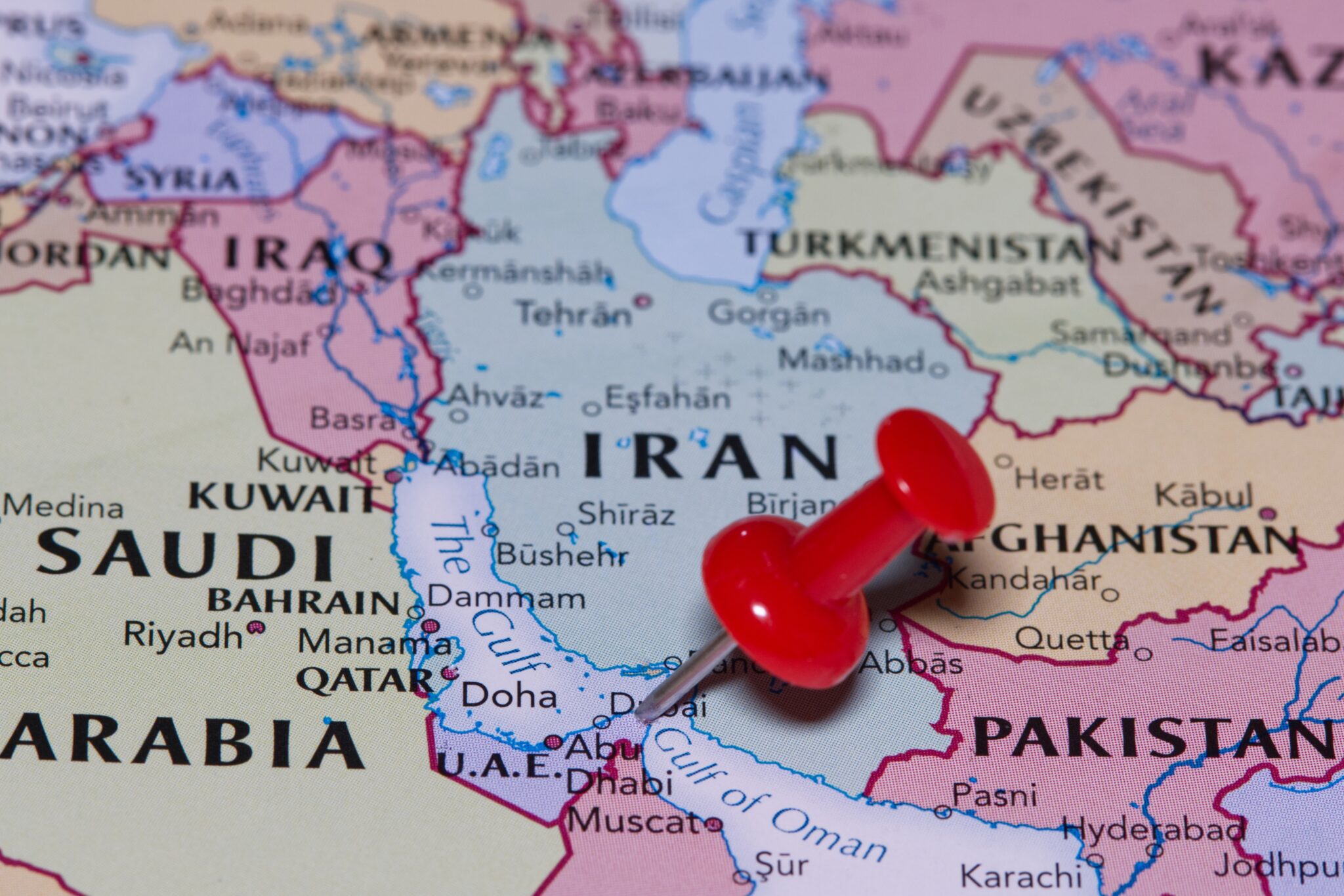
Meanwhile, commercial vessels remain under threat in the Persian Gulf, the Strait of Hormuz and the Gulf of Oman, with reports of multiple attacks since the beginning of the month. The ongoing security tensions are keeping the risk of renewed hostilities high, which could once again disrupt the supply chain.
Political and Inflationary Pressure on the Trump Administration
The surge in oil prices, which rose by more than 10% during October, has placed a heavy burden on the U.S. economy and directly contributed to higher fuel prices and inflation.
The issue has become a sensitive political focus for President Trump ahead of the midterm elections.

Inflationary pressure has also posed a challenge for the Federal Reserve, with senior central bank officials already making clear that further interest rate increases may be required to curb rising prices, a move that could hurt economic growth and raise borrowing costs for consumers.