Breaking

Oil Prices Fall About 3% Amid Signals of U.S.-Iran Talks

Oil prices are falling about 3% amid signs of possible progress in diplomatic efforts between Washington and Tehran • U.S. Secretary of State Marco Rubio said Trump prefers to resolve the conflict peacefully • Iran is signaling that an agreement is still possible, but fears of renewed fighting remain in the background

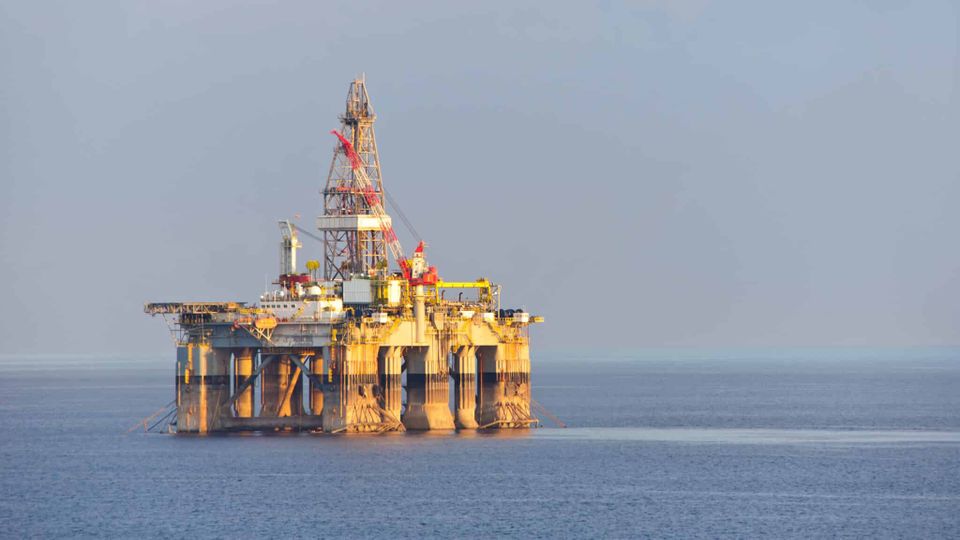
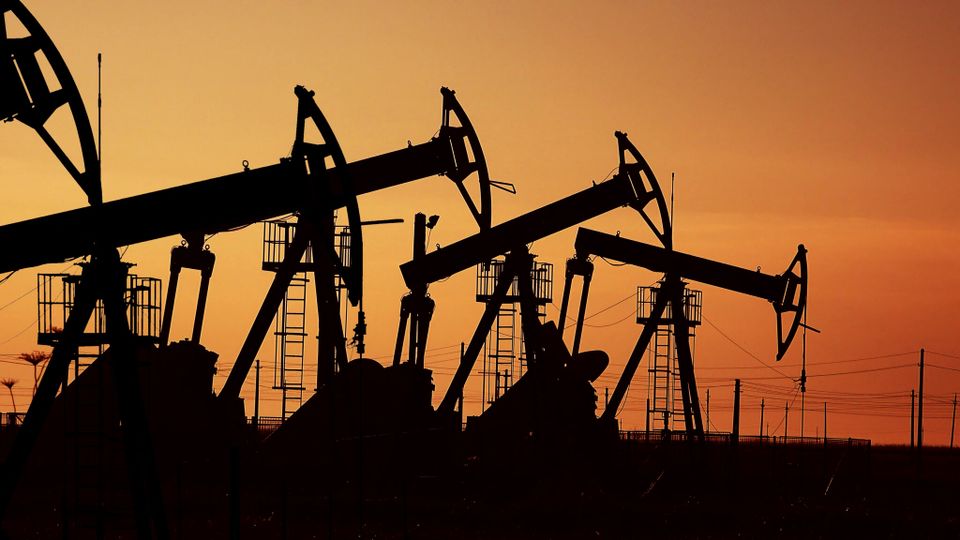
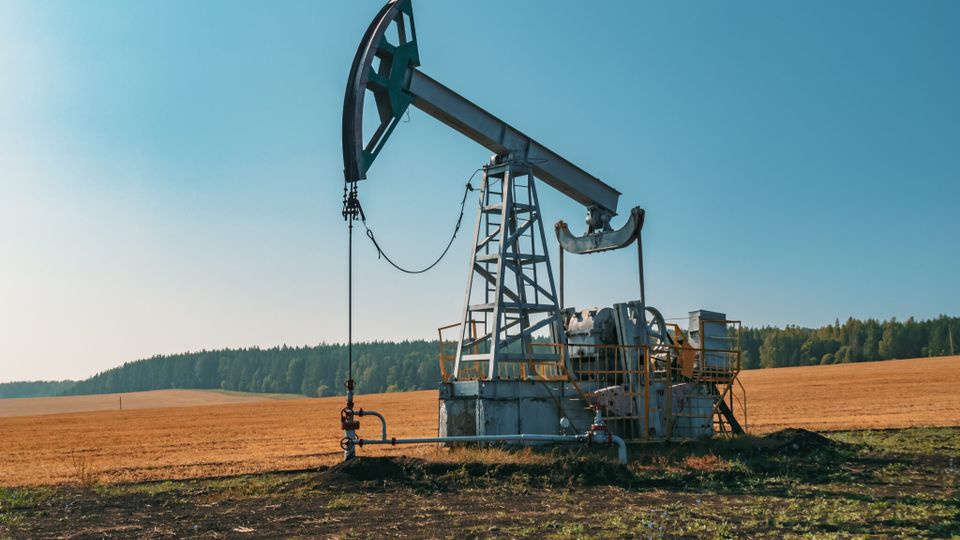
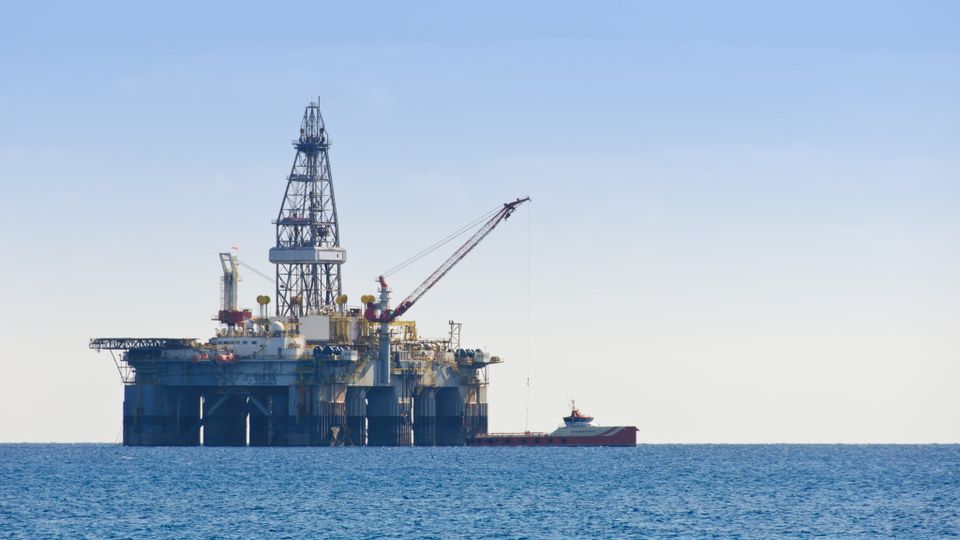
Oil drilling
Oil drilling | Photo: Shutterstock

Oil prices opened the trading week lower amid reports that the U.S. and Iran are willing to explore a diplomatic solution to their conflict. Brent crude futures for January delivery fell about 3.3% to $109.67 a barrel, while U.S. WTI crude for December delivery lost about 3.3% and traded around $100.64 a barrel.

U.S. Secretary of State Marco Rubio said over the weekend that U.S. President Donald Trump prefers to avoid the use of military force and resolve the war with Iran through diplomatic means. According to Rubio, Trump has not yet made a decision regarding the next steps, but the U.S. is prepared for military action if necessary. “We prefer to do this peacefully,” Rubio told reporters.
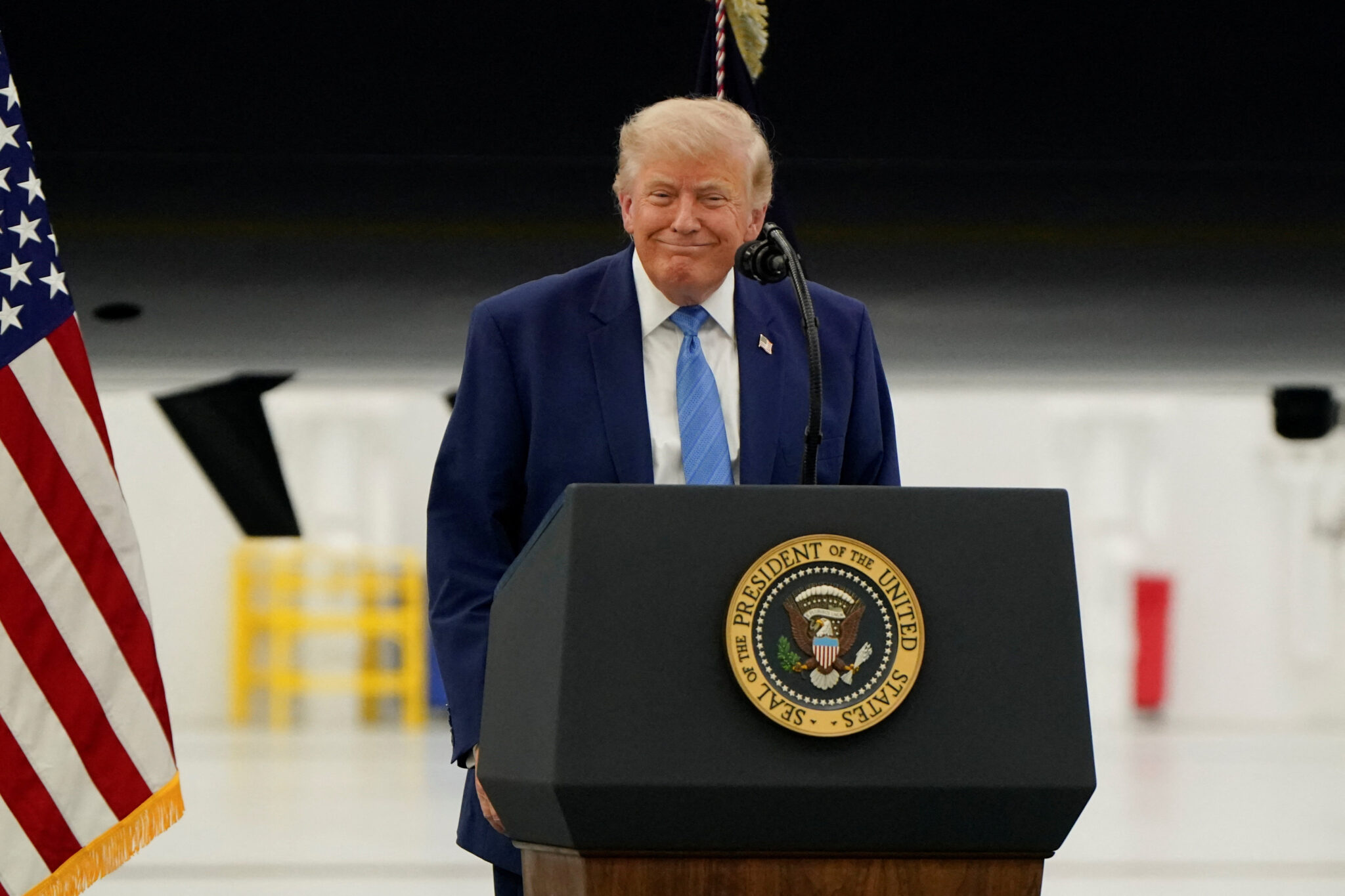
U.S. President Donald Trump
U.S. President Donald Trump | Photo: Reuters

Signals were also heard in Tehran that an agreement remains on the table. According to a report by Al Jazeera, Iranian authorities made clear that an agreement could be reached following two days of Qatar-mediated talks, provided that the demands raised are implemented in practice.

The diplomatic signals come amid reports in The Wall Street Journal and The New York Times that the U.S. is preparing for the possibility of renewed military strikes after the midterm elections scheduled for November 3. At the same time, Iran’s supreme leader, Mojtaba Khamenei, called on Saturday for the country’s armed forces to respond immediately and extensively to any threat.
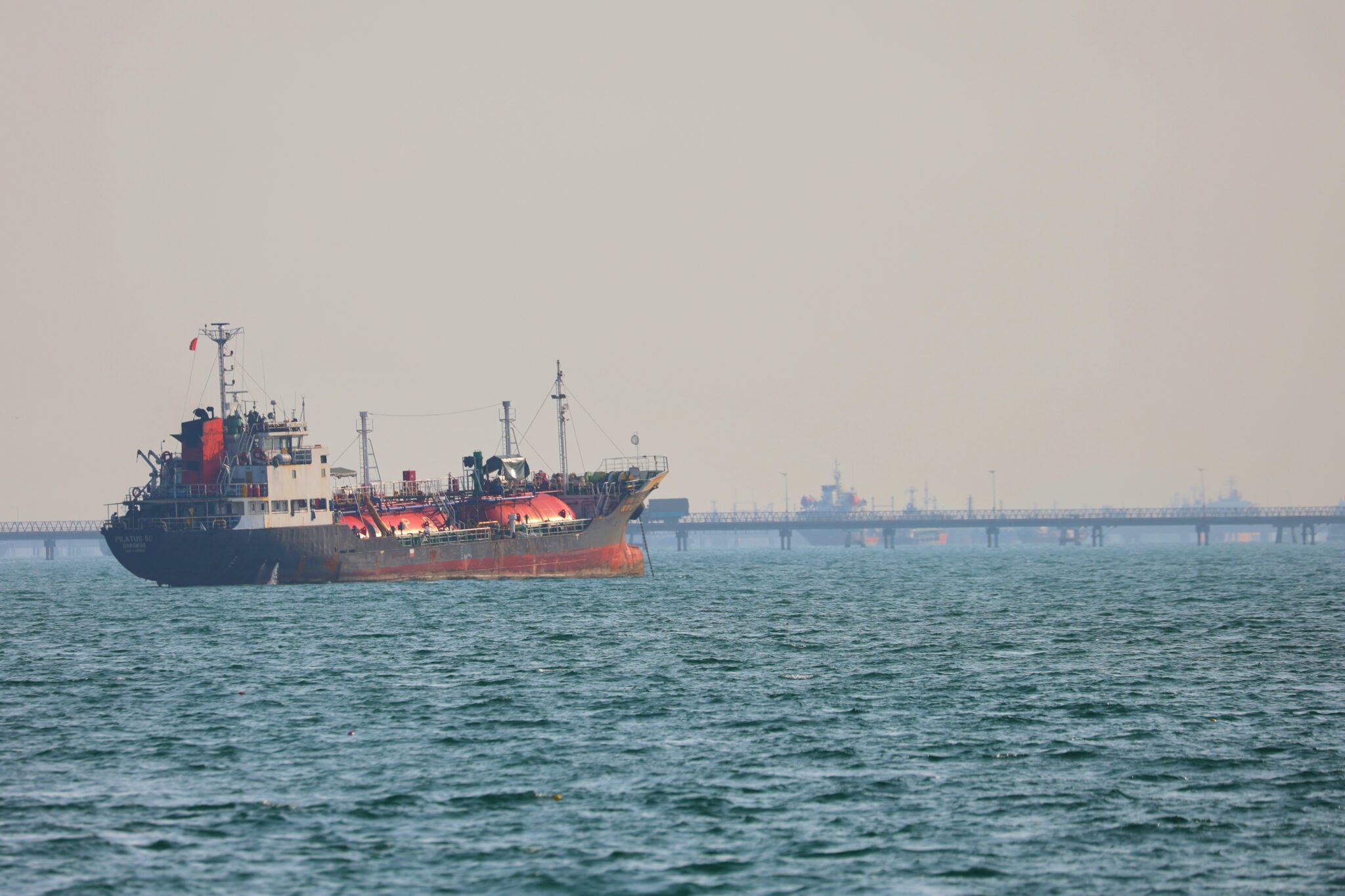
Ships in the Strait of Hormuz
Ships in the Strait of Hormuz | Photo: Shutterstock

Despite the decline in oil prices, concerns about security developments in the Middle East and Ukraine continue to weigh on the outlook for the energy market. Attacks on ships and refineries in the Middle East, alongside harm to civilians in Ukraine, are complicating assessments regarding the possibility of stable ceasefires in the near term.
Key takeaways

  • Oil prices fell about 3% as markets reacted to signs that the U.S. and Iran may pursue a diplomatic solution.
  • Brent crude for January delivery fell about 3.3% to $109.67 a barrel, and U.S. WTI for December delivery lost about 3.3% to around $100.64 a barrel.
  • U.S. Secretary of State Marco Rubio said President Donald Trump prefers a peaceful resolution but the U.S. is prepared for military action if needed.
  • Reports said Iranian authorities signaled an agreement could still be reached after two days of Qatar-mediated talks if the demands are implemented in practice.
  • Despite the price decline, concerns about security in the Middle East and Ukraine continue to cloud the energy market outlook.

Questions and answers

Why did oil prices fall about 3%?
Prices fell after reports that the U.S. and Iran are willing to explore a diplomatic solution to their conflict. The market also reacted to signals from both Washington and Tehran that an agreement may still be possible.
What did Marco Rubio say about the U.S. position toward Iran?
Rubio said Donald Trump prefers to avoid military force and resolve the conflict through diplomacy. He also said the U.S. is prepared for military action if necessary.
What other factors are affecting the oil market outlook?
The article says concerns about security developments in the Middle East and Ukraine are still weighing on the energy market. Attacks on ships and refineries in the Middle East and harm to civilians in Ukraine are complicating expectations for stable ceasefires.

Share this story

About the writer

TV10 Desk

Writes for TV10, Israel’s economic channel. This story was translated from the original Hebrew.

More stories by TV10 Desk

More for you