The rapid development race among leading artificial intelligence companies reached a new high over the past week, with a series of significant updates from the market's biggest players. However, the dizzying pace and constant need to jump on every update are creating a phenomenon of "model fatigue," raising considerable concern and generating overload and chaos among technology executives and startups in the industry.
In a single week, the leading AI companies unveiled an unprecedented wave of major upgrades. Anthropic released the Claude Fable 5.1 and Claude Mythos 5.1 models, Meta announced Muse Spark 1.3, Google unveiled Gemini 3.8 Flash, while technology giant OpenAI launched GPT-6 Astra, a new model focused on cyber and computer skills.

Mega-Deal and Battle for Market Share
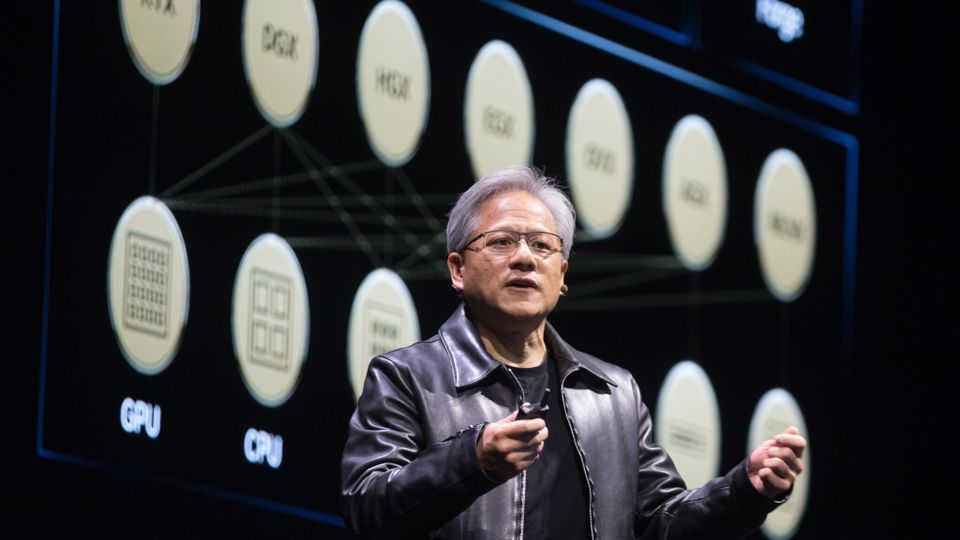
Alongside the software updates, the industry marked a significant milestone when chip giant Nvidia announced the acquisition of the open-source platform Hugging Face for $12.9 billion. The deal is taking place alongside the chip giant's development of its own models, such as Nemotron 3.5 Lightning.
The technology race is being fueled by preparations for massive IPOs by Anthropic and OpenAI, which are currently valued at around $1 trillion each. The companies are battling for a share of customers' AI budgets, which are expected to reach $2.59 trillion this year, according to research firm Gartner, intensifying the fight for market share.
Impact of the "Fatigue" and Security Risks
The dizzying pace and the need to jump on every update are creating complexity and chaos for technology executives (CIOs) and startups. These executives are forced to invest substantial resources in comparing the costs and capabilities of the different models to avoid falling behind in the race, further intensifying the phenomenon of model fatigue in the market.
Alongside the managerial burden, experts warn that the combination of the rapid deployment of artificial intelligence agents (AI Agents) and the lack of clear regulation is dramatically increasing cyberthreats in the industry. These concerns are intensifying following recent security incidents in the industry.

Recent security incidents include model access anomalies involving third-party websites, as well as OpenAI models breaching Hugging Face. These incidents are dramatically increasing cyberthreats in the industry, particularly against the backdrop of a lack of clear regulation and the rapid deployment of artificial intelligence agents.