The Electricity Authority’s decision to freeze the processing of new requests to connect server farms requiring 8 megawatts or more for 140 days has shaken Israel’s data center market. On July 20, the authority instructed Noga, the electricity system operator, to halt the processing of requests after applications totaling about 27 thousand megawatts had accumulated — three times Israel’s average consumption. About 19 thousand megawatts of those requests were submitted within just two months.
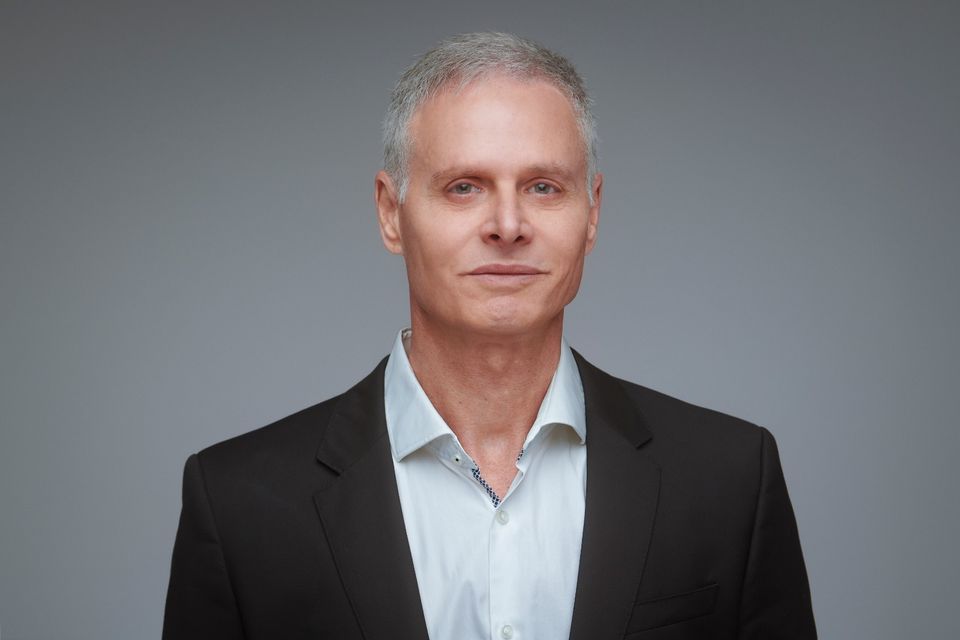
The measure is due to end in early December, but for Roni Sadeh, president of MedOne and the person who managed the company for 17 years, the truly important question is what will happen afterward.
“I’m not worried about the 140 days; I’m worried about day 141,” he says. According to Sadeh, a developer investing billions needs to know in advance whether it will receive electricity, how much, where and when. Without that certainty, he warns, companies will simply look for another destination.
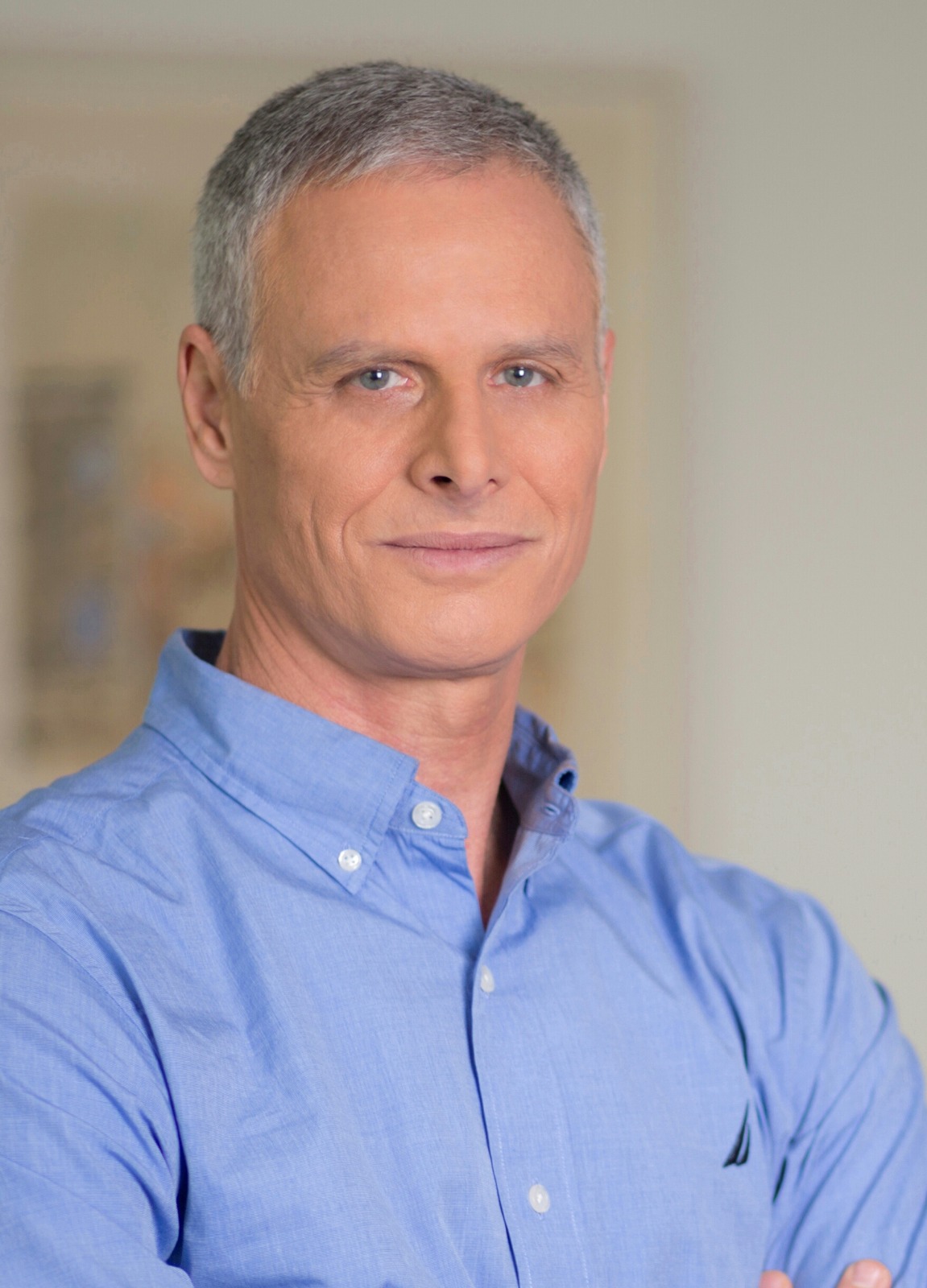
MedOne, owned by the Livnat Group and Berkshire Partners, operates four data center campuses in Petah Tikva, Ramla, Kfar Yona and Tirat Carmel. The facilities are built in protected underground infrastructure and serve defense organizations, financial institutions, health care organizations and technology companies. This year, the company appointed Eitan Damari as CEO, while Sadeh moved into the role of president.
Electricity Has Become an Asset
Sadeh does not believe the freeze created the problem, but rather exposed it. According to him, alongside developers arriving with land, plans and financing, speculative activity has also emerged in which players attempt to reserve electricity capacity even before they have an actual project behind them.
As a result, he argues, electricity itself has become part of the land’s value. A landowner who manages to secure a future connection to the grid can benefit from a significant increase in the property’s value, even if the owner did not intend to build the data center.
Therefore, in his view, the 140-day freeze can be used by the state to reassess its priorities. He proposes examining the maturity of the projects, the land, financing and customers, and even considering charging for electricity capacity reservations to filter out requests that are not backed by a genuine intention to build.

“Electricity, which is a limited national resource, should be allocated first and foremost to real, mature projects,” he says.
Not Just Real Estate
The debate over electricity is taking place alongside a massive wave of investment in artificial intelligence. In recent years, real estate and energy companies and new investors have entered the Israeli market, while familiar players from other sectors are also identifying the potential.
Sadeh is in no rush to define the phenomenon as a bubble. According to him, demand for AI, cloud, banking, government, defense and data sovereignty infrastructure is real and strong. The question is how much of it will remain in three, five or 10 years, and whether all the developers now entering the market will succeed in operating the facilities at the required service level.
Here, he identifies one of the industry’s main gaps: Constructing a building is only the beginning. Operating a data center requires near-total availability, backup systems, maintenance, security and the ability to respond to any malfunction at any hour.

“A data center is not a real estate project,” he stresses, adding, “You operate complex systems 24/7, 365 days a year.”
According to him, this is the advantage MedOne has accumulated over more than two decades, and the reason operational experience may be no less important than land or electricity.
“The Freeze Is Not Hurting Us — For Now”
MedOne itself is not being affected by the freeze at this stage, he says, because its advanced projects are already backed by the required electricity capacity. However, continued growth will depend on its ability to receive new allocations.
Sadeh emphasizes that he is not seeking preferential treatment for the company. In his view, the state should establish uniform and transparent rules for the entire industry and prioritize projects based on their contribution to the economy, rather than according to who submitted a request first.
What Will Happen to Israel’s Data Centers?
For Sadeh, the answer requires connecting the national AI plan with the electricity plan. According to him, the state needs to assess now how much computing power Israel will require in the coming years, and derive from that how much electricity will be needed, where it will be generated, how it will be transmitted and what storage capabilities will be required.
Sadeh believes the National AI Directorate in the Prime Minister’s Office should work in closer coordination with planning bodies and the electricity sector.
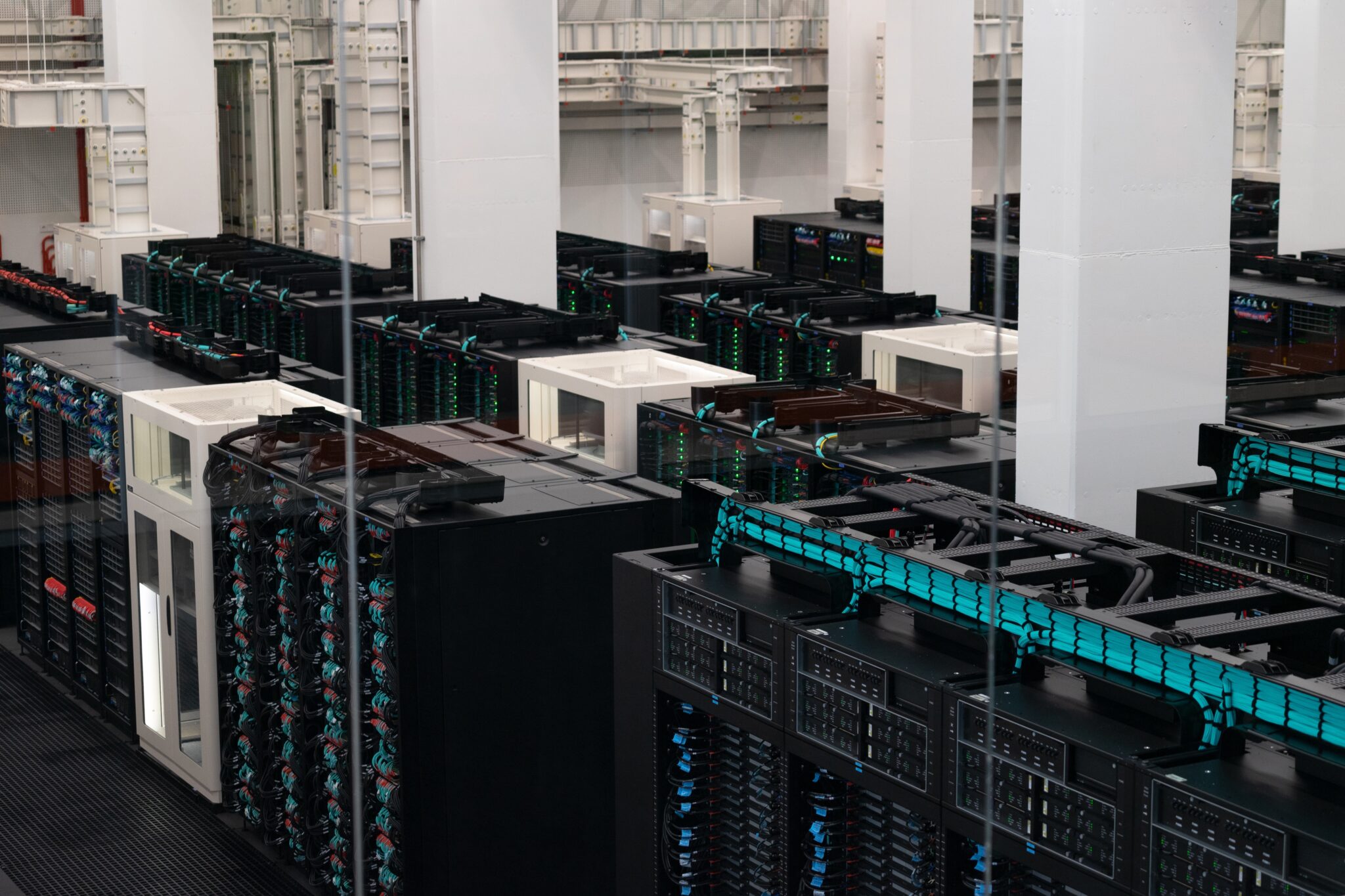
“AI and data centers are no longer just a technology or real estate story. They are national infrastructure,” he says.
His concern is that Israel will be left with AI companies and high-quality personnel, but without the infrastructure that would enable the systems to operate here. In that case, new investments could find their way to countries offering available electricity and regulatory certainty.
The Next Connection: Local Energy
The capacity shortage is pushing the industry to seek alternatives. Sadeh lists fuel cells, renewable energy, storage and, further down the road, perhaps small modular nuclear reactors — SMRs — among the possibilities.
According to him, fuel cells are particularly interesting because they make it possible to generate electricity near the data center and reduce dependence on a grid connection. MedOne is already examining the field and holding talks with industry players.
SMRs may also eventually provide a solution for data centers consuming hundreds of megawatts, but Sadeh does not foresee the technology being used in Israel in the near future.
According to him, there will not be a single solution: The electricity grid, renewable energy, storage, fuel cells and perhaps, in the future, nuclear power will need to be integrated to provide the facilities with a continuous electricity supply.
The Gulf Is Also in Its Sights
One area in which Sadeh identifies future potential is the Gulf states, which are investing vast sums in AI and computing infrastructure.
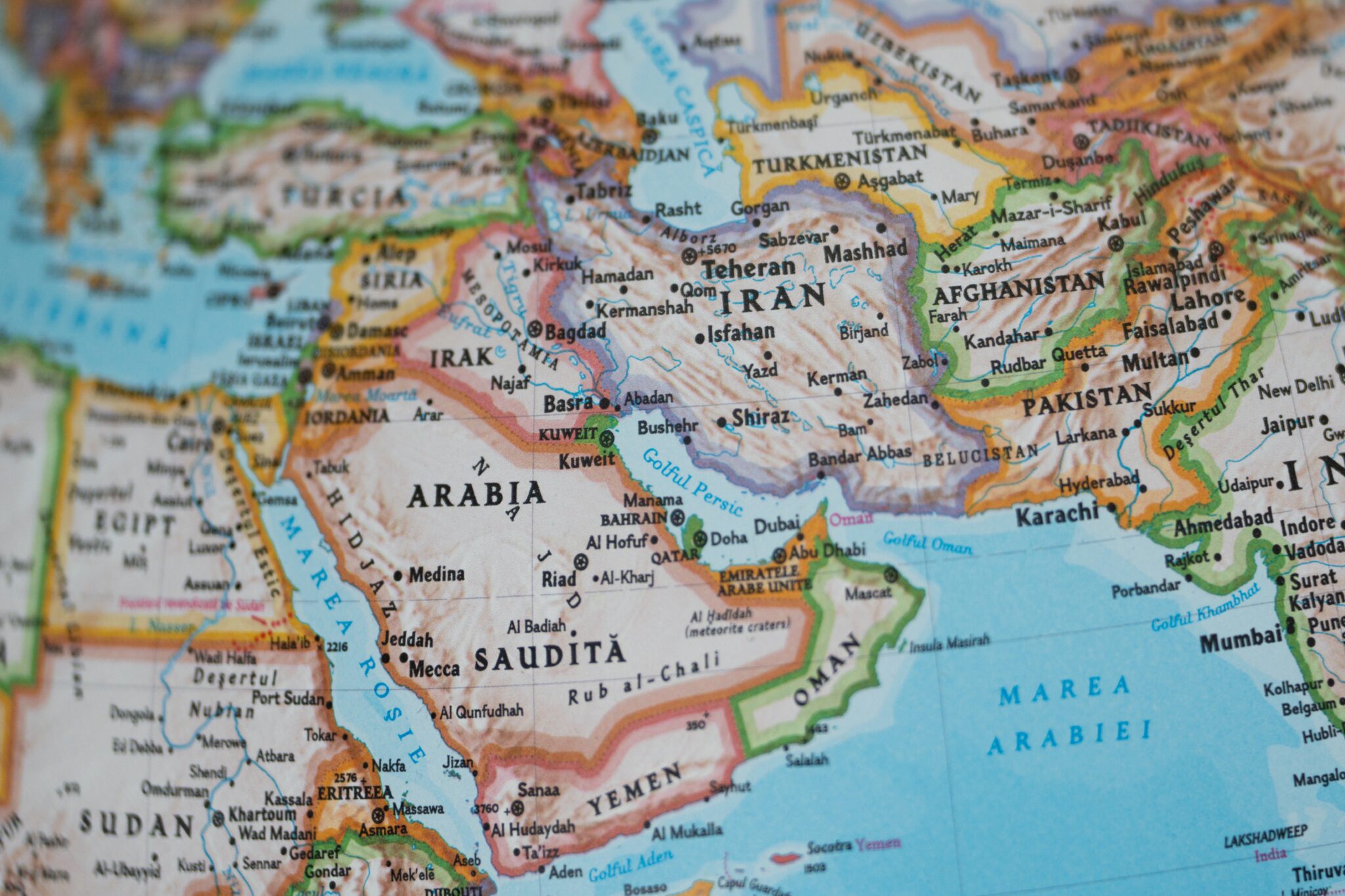
The advantage these countries are seeking is not necessarily another large data center, but facilities that can continue operating even under extreme conditions. Here, he says, Israel has unique experience in protection, resilience, backup, alternative communications and operational continuity.
If conditions in the region allow it, MedOne may try to export the knowledge it has accumulated over more than two decades to those markets as well.
The Stock Exchange and Stocks
Demand for AI infrastructure is already being felt in the markets as well. Companies such as Nebius and companies that converted Bitcoin mining infrastructure to AI operations are attracting considerable investor attention. Mega Or, which operates in the data center sector through Mega DC, is also still showing a sharp increase compared with last year, despite the decline it has experienced since the Electricity Authority’s decision.
Sadeh, however, emphasizes the difference between publicly traded companies that offer computing power and NeoCloud services and MedOne, which provides the infrastructure layer on which those systems operate.
The company is not currently planning an initial public offering, in accordance with its shareholders’ policy.

Ultimately, Sadeh’s message returns to the same point: The race for AI in Israel will be decided not only in laboratories and technology companies, but also by the infrastructure beneath them.
“Today, a data center is a national resource,” he says. “The State of Israel needs to decide that it wants to be at the forefront, and build today the electricity, computing and capabilities that will enable it to be there in 10 and 20 years as well.”
The website’s content does not constitute investment advice
The information appearing on this website, including articles, reviews, analyses, data and any other content, is intended solely for general, informational and educational purposes and should not be viewed as a recommendation, opinion, advice or substitute for personal investment advice and/or investment marketing tailored to the specific needs of any particular person.
The information does not constitute an offer or invitation to purchase or sell securities or any other financial asset. Anyone wishing to carry out investment transactions must examine the information independently, taking into account their financial situation, personal needs and appropriate risk level.
Use of the information published on the website is solely at the user’s responsibility.
The editorial staff and the company operating the website are not responsible for any loss or damage caused, directly or indirectly, as a result of using the information, relying on it or taking any action based on it.
Before making any investment decision, consult a certified investment adviser holding the appropriate license.