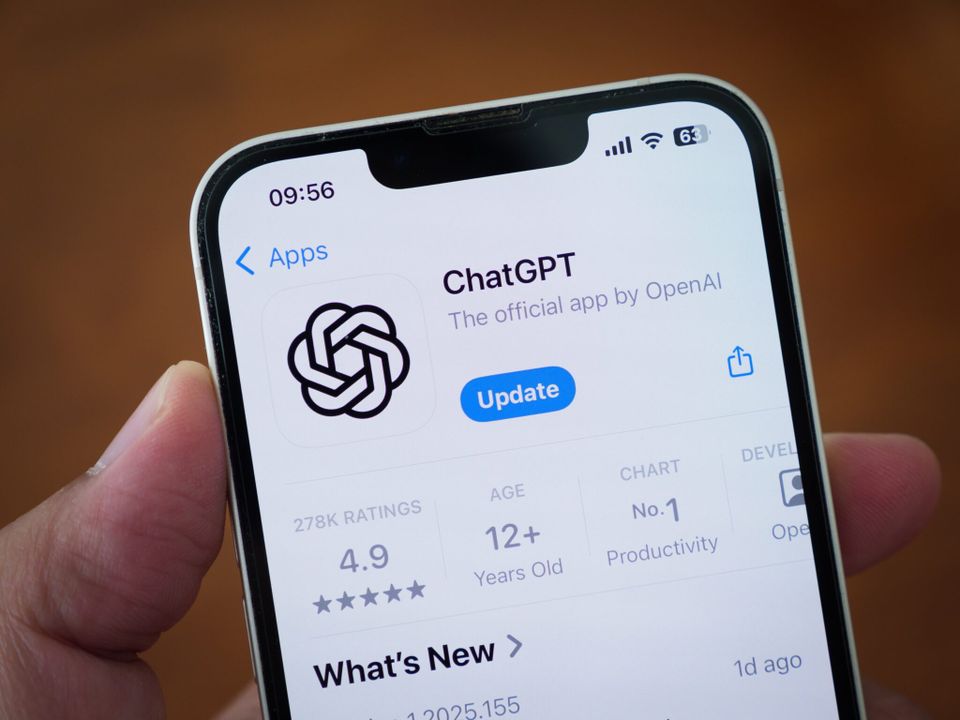
OpenAI is charting a new course that could change how users discover and operate software. At its Dev Day developer event, the company unveiled a series of announcements pointing to an effort to transform ChatGPT from a chatbot into a platform where apps can be found and operated without leaving the conversation. The company reported that the service currently has approximately 1.2 billion weekly users, and the system will now begin integrating app recommendations directly into conversations with users.
The move is based on an expansion of the app infrastructure, allowing developers to create interactive interfaces within conversations. Services that previously required users to visit a separate website will be able to operate within the ChatGPT environment.

The company describes this as a new distribution channel in which the system directs users to the appropriate tool in real time. Demonstrations included the use of a meeting app that allows users to view a calendar, document meetings and receive a summary, as well as integrations with companies such as Figma and Adobe.
Unified Identity and Smart Agents
At the same time, a new identity layer was unveiled that allows users to log in to external services using their ChatGPT account and carry their AI usage allowance with them. Companies such as Notion and Vercel are among the first partners in the initiative. In addition, the company announced changes to the app review process before approval, in a model resembling the review mechanisms used in Apple and Google stores, as well as the creation of an enterprise marketplace that will include more than 30 partners at launch.
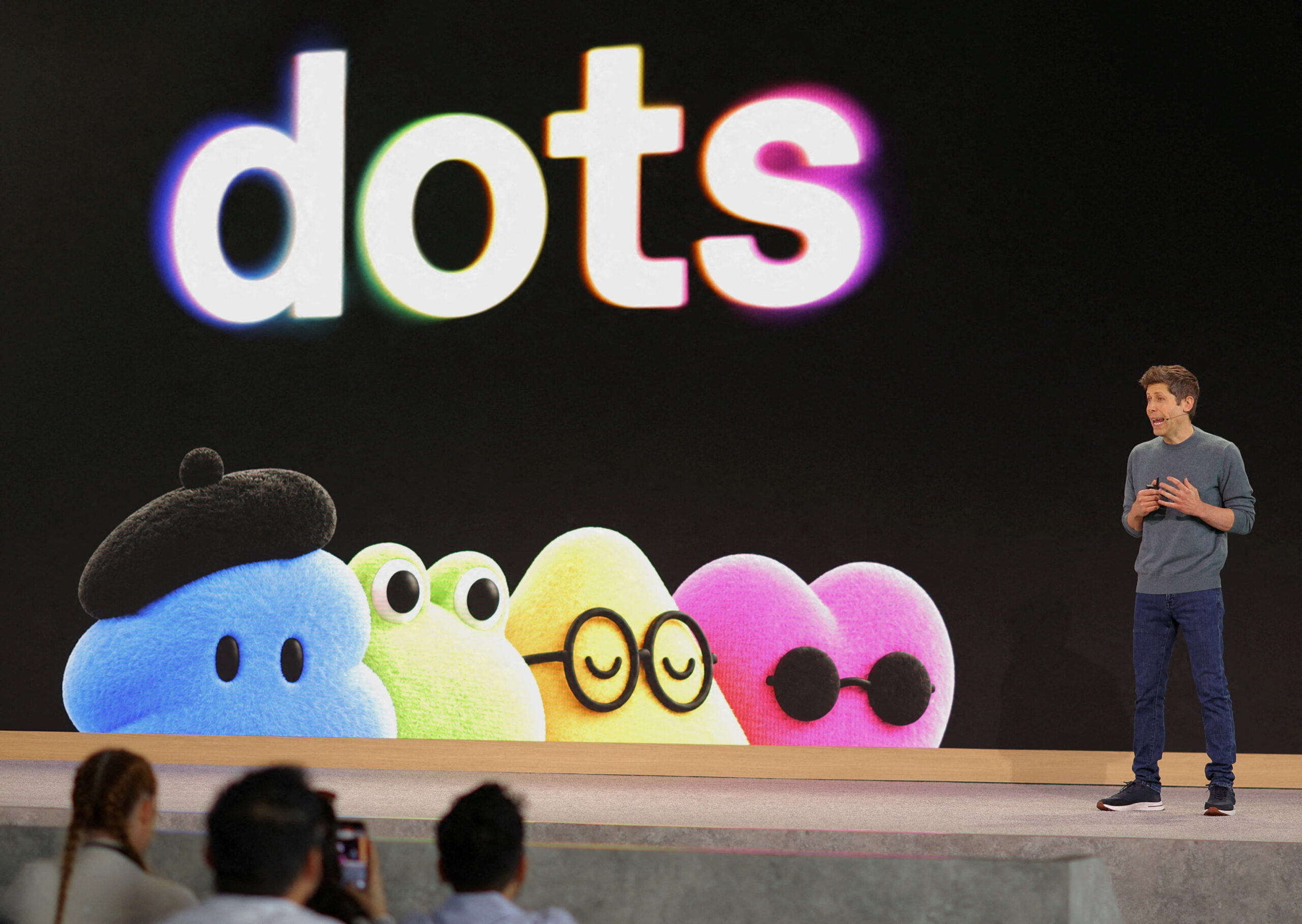
The significant part of the move is related to the company’s AI agents, called Dots. According to the report, these agents can browse the internet, perform tasks and use connected apps. This represents a change in the traditional model: Instead of the user searching for and installing an app, the user will define the goal for the agent, and the agent will independently select the necessary tools from an ecosystem that includes more than 4,000 apps.
The Economic Model Has Yet to Be Revealed
The agents will also be able to act proactively, offer assistance with a project or identify forgotten tasks, with such activity subject to user approval. However, despite the clear direction toward a model different from existing app stores, the company has yet to introduce a corresponding economic layer. No billing or revenue-sharing system has been announced to replace the familiar commercial model, and users may be required to purchase a separate subscription for external services.
At this stage, the focus is on discovering, distributing and operating apps from within the system, alongside the creation of a connected identity system. If the model succeeds, AI could become the layer mediating between users and a range of services, and in some cases even decide which tools to use on their behalf.