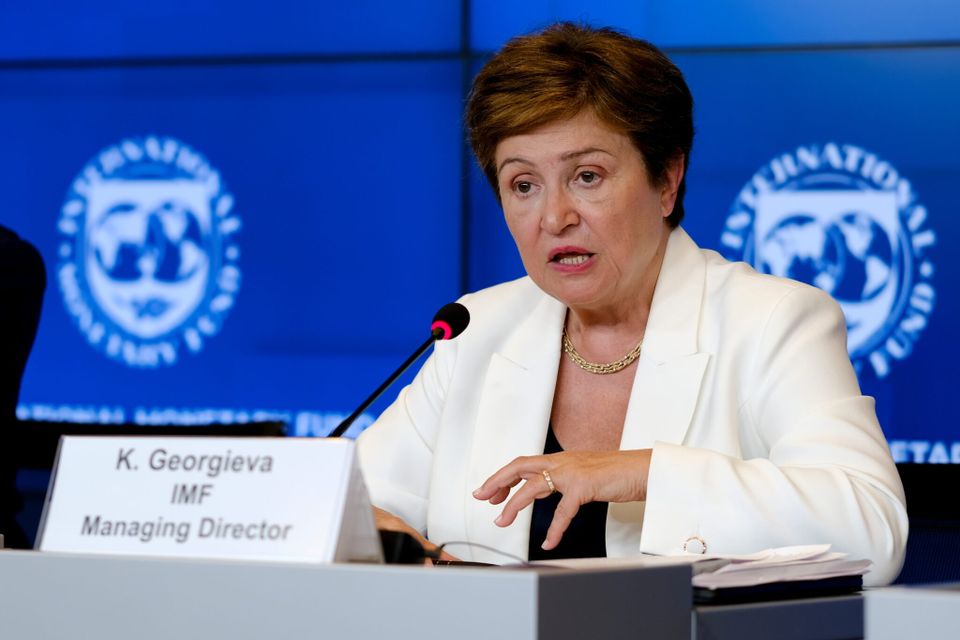
The managing director of the International Monetary Fund, Kristalina Georgieva, warns that without safeguards and ethical rules, the risks associated with artificial intelligence could outweigh the economic opportunities it offers. At the annual meeting of the IMF and World Bank in Bangkok, senior officials called for regulatory rules governing the technology, amid concerns that the massive investments in the field will not deliver the expected productivity improvement — or will harm employment and financial stability.
“The Risks Could Outweigh the Opportunities”
Georgieva said artificial intelligence is already contributing to the global economy, but if it fails to improve productivity at the expected pace, it could also cause economic shocks. She said the technology’s development requires clear limits on its use and the creation of an ethical framework.
“If there are no safeguards, the risks could outweigh the opportunities. And above all, we need an ethical foundation, and I am not sure that we as a society are there yet,” she argued.
The remarks came amid additional warnings from the IMF, which earlier this week pointed to risks to growth and global financial stability. Among other things, the fund warned of the possibility that the wave of investment in artificial intelligence could end, alongside high debt levels and the continuing war in the Middle East.
Georgieva stressed that technological development alone will not be enough to allow people around the world to benefit from artificial intelligence. That will also require electricity, access to digital infrastructure and appropriate regulation.
In a separate discussion at the conference, Bundesbank President Joachim Nagel warned that artificial intelligence could deepen imbalances among economies. He said the scale of investment required to develop hardware and software was one of the reasons for this.

Who Will Set the Rules?
One of the central issues raised at the conference was how to oversee a rapidly developing technology. Georgieva compared the race in the field to Formula 1 cars speeding ahead without safety barriers to protect the crowd.
She said self-regulation by technology companies could be suited to the pace of change in the industry, but it should not be relied upon without broader involvement. She called for civil society and the countries with the largest artificial intelligence sectors, including the U.S., China and India, to be included in the process, alongside countries participating in the technology’s supply chain.
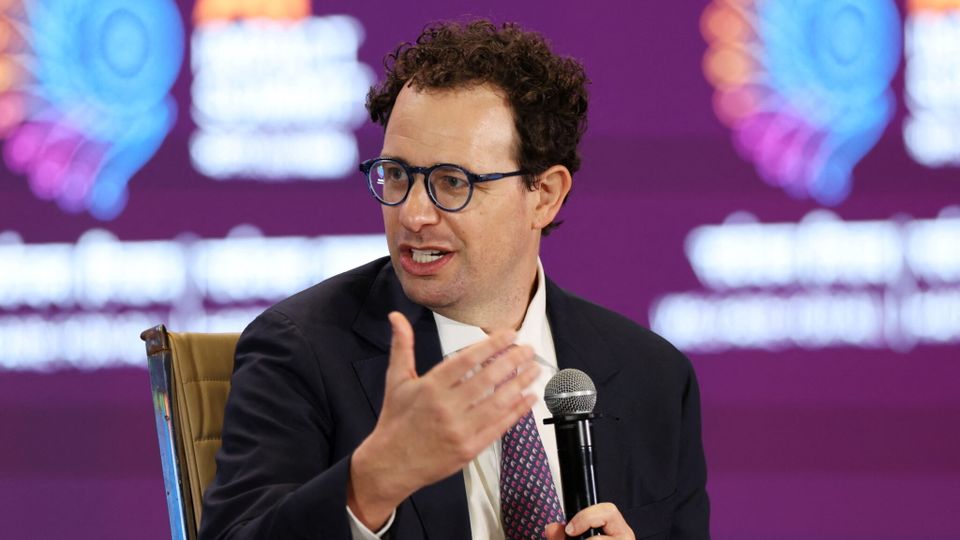
Jack Clark, a co-founder of artificial intelligence company Anthropic, continued Georgieva’s comparison and said: “I think it is like a Formula 1 race at night, and perhaps with no brakes on the cars.”

Clark noted that frameworks for setting standards have already begun to emerge, including in the European Union, alongside voluntary commitments in the U.S. He said Anthropic continuously tests its systems, publishes details about the tests and shares the information, but he does not believe rule-setting can be left to voluntary action alone.
“We need sensible standards, and that is how we can ultimately build trust in the technology and build the economy,” he said when asked whether he supported regulation by the countries developing artificial intelligence.