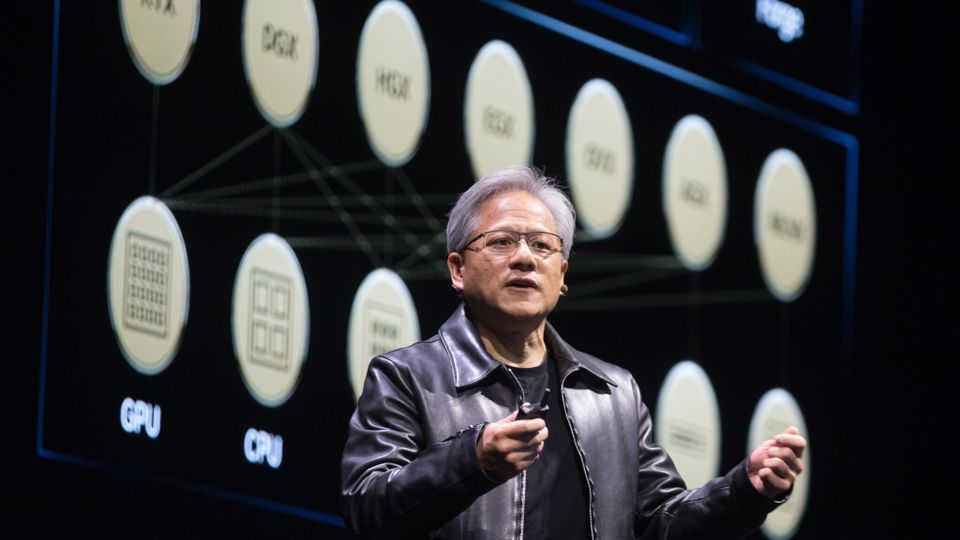

Nvidia (NVDA) will open its GTC artificial intelligence conference in Berlin this week. The event, which will take place from October 20 to 22, will feature a range of topics that could affect expectations for the company and the AI industry as a whole. The company's CEO, Jensen Huang, is expected to deliver the keynote address on Wednesday, October 21, at 11:00 Berlin time.
The conference will focus on accelerated computing infrastructure, AI agents, robotics, open models and physical artificial intelligence — areas in which Nvidia is seeking to expand its business beyond chip sales. For investors, the main question will be whether the technological developments the company presents can support another wave of demand for computing and justify continued massive investment in the field.
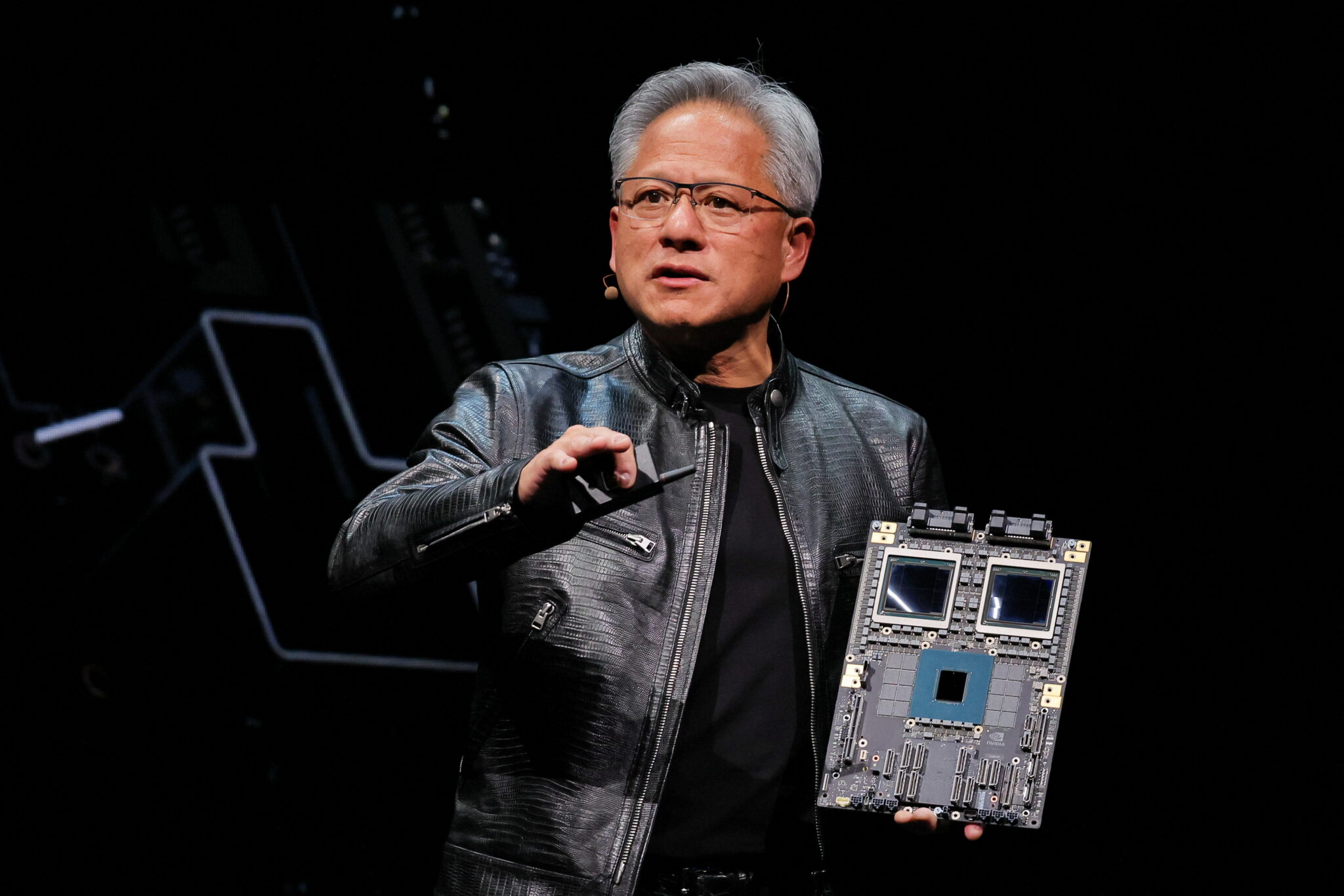
The Rubin Platform: From the Current Generation to the Next Stage of AI Infrastructure
One of the main topics expected to take center stage is the transition from the Blackwell platform, which is in the broad commercial deployment stage, to the next-generation Vera Rubin platform.
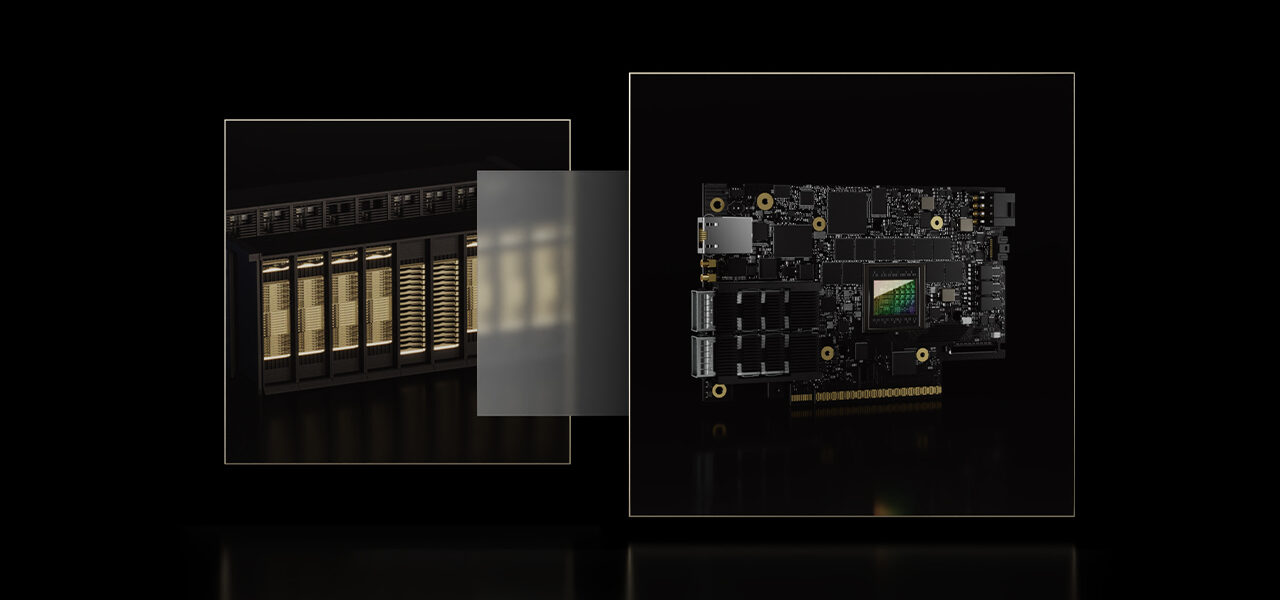
Nvidia is working to expand its offering beyond individual graphics processors and provide complete computing systems that include processors, graphics chips, networking, software and data center infrastructure. The goal is to enable customers to run AI applications at scale while improving performance and reducing computing costs.
The transition is particularly important given the increase in the use of existing models, not just the training of new ones. As more companies operate AI systems on a broad scale, the cost of each computing operation, response speed and energy consumption are becoming key considerations.
Investors will watch for details about the pace of the transition to Rubin, deployment timelines and the economic advantages of the new platform. However, presenting new technology does not in itself guarantee faster revenue growth: The test will be the volume of orders and actual adoption by cloud providers and enterprise customers.
AI Agents: The Next Growth Engine for Chip Demand?
Another key topic will be artificial intelligence agents — systems capable of performing complex tasks in sequence, using external tools, retrieving information, running code and operating in multiple stages, rather than merely answering a single question.
The expansion of agents could increase demand for computing power. Even if the cost of each computing operation declines, systems that operate continuously and perform numerous tasks could generate higher cumulative computing consumption.

Nvidia is seeking to provide the infrastructure needed to operate such systems, from chips and communication networks to software and development tools. The potential range of uses is broad and includes software development, customer service, finance, health care and organizational operations.
But this is also where the question mark lies: Technological demand does not necessarily amount to sustained commercial demand. If companies struggle to prove that AI agents save time and money or generate revenue, projects could remain in the experimental stage. Therefore, beyond demonstrations and partnership announcements, investors will want to see broad deployments, continued use and measurable business results.
Europe and Germany: Billions in Investment and Expansion Into Industry
The conference in Berlin is also expected to serve as a platform for deepening Nvidia's operations in Europe. According to a report by TradingKey, Huang is expected to announce new investments or partnerships totaling about $2 billion in the region. Together with investments and commitments totaling about $8 billion over the past year, the overall amount could approach $10 billion.
Germany could play a central role in the initiative, given its large industrial base and the potential to integrate artificial intelligence into factories, robotics and autonomous systems. Collaboration with industrial companies, research institutions and technology partners could advance the use of AI in manufacturing processes and physical systems.

The initiative is part of Nvidia's broader strategy: to expand the use of its technology beyond the major technology companies and establish its position in European industry as well. At the same time, countries and companies in Europe are seeking to develop their own computing and artificial intelligence capabilities and reduce their dependence on infrastructure located outside the region.
Alongside this, robotics and physical artificial intelligence are fields with a longer commercial horizon. Developing reliable products, adapting them to regulations and implementing them in factories take time, making it difficult to expect them to replace data centers as Nvidia's main revenue engine in the near term.
The Bottom Line: Announcements Matter, but Revenue Matters More
Nvidia arrives at the conference with its core business continuing to rely on data centers. In the second quarter of fiscal 2027, the company reported revenue of $96.2 billion, an increase of 106% compared with the same period last year. Revenue from the data center division totaled $89 billion — more than 92% of total revenue.
The figures illustrate the importance of investment in AI infrastructure for the company, but also the extent of its dependence on the field's continued expansion.
The conference in Berlin could provide a clearer picture of the next generation of hardware, the development of AI agents and the possibility of expanding demand for computing infrastructure to additional industries. For investors, the test will be the ability to translate the announcements into orders, commercial deployment and revenue — rather than merely presenting the next stage in the technology race.