


Editor’s note:
Last week we wrote about the shekel problem. A currency so strong it has become a quiet subsidy for the cartels that dominate Israeli imports, and a slow drain on the margins of the tech exporters who actually earn it. We wrote that without structural intervention, Israeli capital could be forced to seek offshore relief to survive the currency mismatch.
Last week, Argentine President Javier Milei landed in Tel Aviv and the Isaac Accords moved from concept to reality. The diplomatic event is also an economic one, opening new trade relationships and setting an example for more of LatAm to follow.
Could it also be a release valve for Israel’s domestic market, after years of pressure?
The framework is already courting Uruguay, Panama, Brazil, and Chile. If it reaches that scale, the consequences for Israeli business, across its tech sector, its consumers, and its supply chains, will be worth watching closely.
— Sophia Tupolev, TV10 Global Editor
TASE weekly snapshot
The Tel Aviv Stock Exchange closed the week with mixed sentiment.
TA-35 Index (TASE:TA35): 🔴 -0.83%
TA-90 (TASE:TA90): 🟢 +0.10%
TA-125 (TASE:TA125): 🔴 -0.62%
For more details, read our daily editions from Monday to Wednesday - and now, get our video and audio updates on Spotify.
Europe: geographical proximity and institutional distance
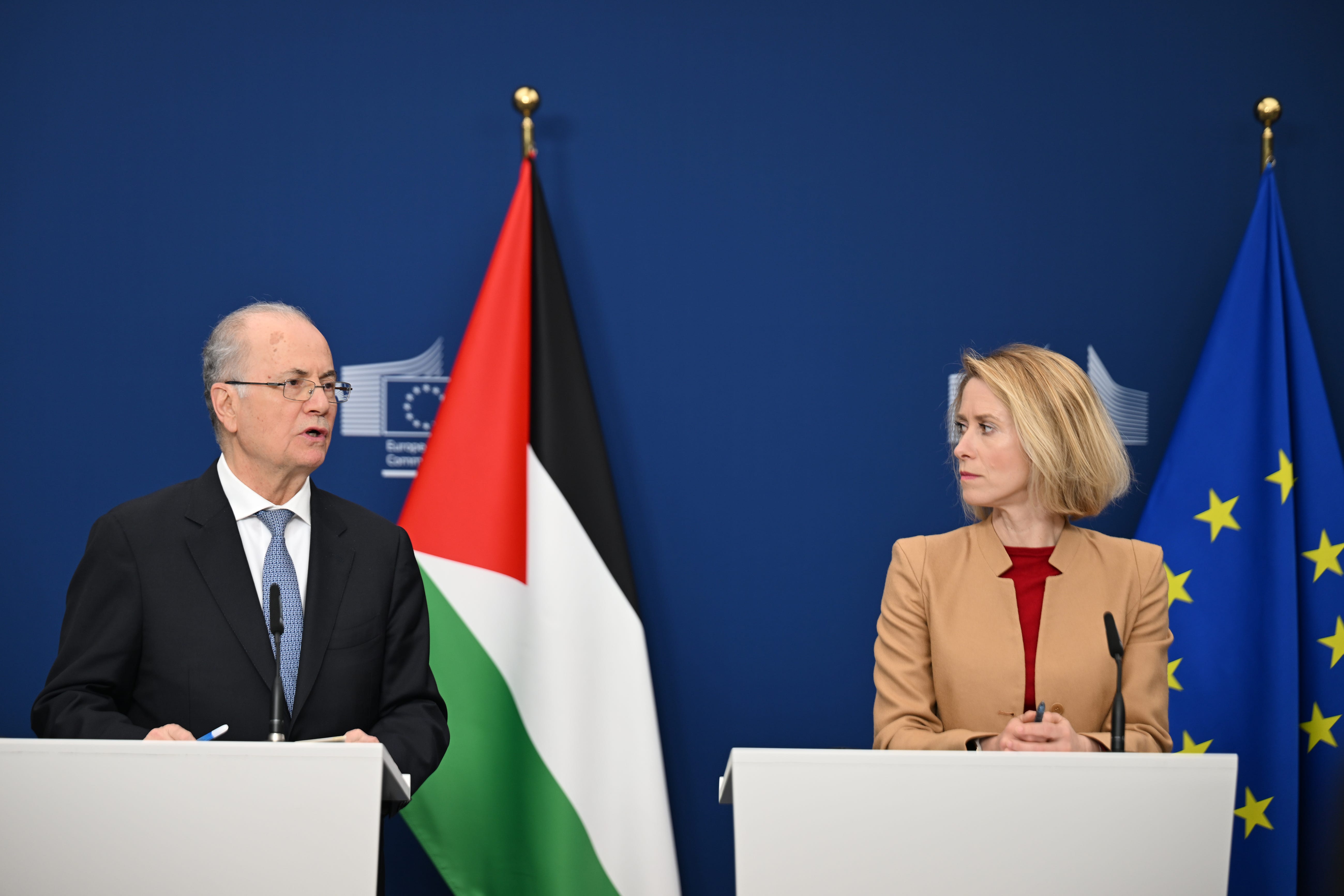
For decades, Israel’s natural export market was Europe - close, wealthy, and commercially accessible. But the European regulatory apparatus has become hostile to Israeli enterprise, not always explicitly, but consistently. Frameworks like the Corporate Sustainability Due Diligence Directive and the EU AI Act function, in practice, as barriers for Israeli firms operating in dual-use technology, cyber, and defense.
European sovereign funds, major banks, and pension structures are using ESG risk classifications and ‘human rights’ clauses to restrict capital flows to Israeli companies, some louder than others.
The Mediterranean shipping route is still short, while the compliance route is longer than ever. For Israeli exporters, the real cost of doing business is the legal, political, and reputational friction that European institutions have steadily built into every transaction.
Meanwhile, the Milei administration, and the broader Latin American pro-market bloc, offers Israel frictionless access, and values alignment that can translate into a friendlier market.
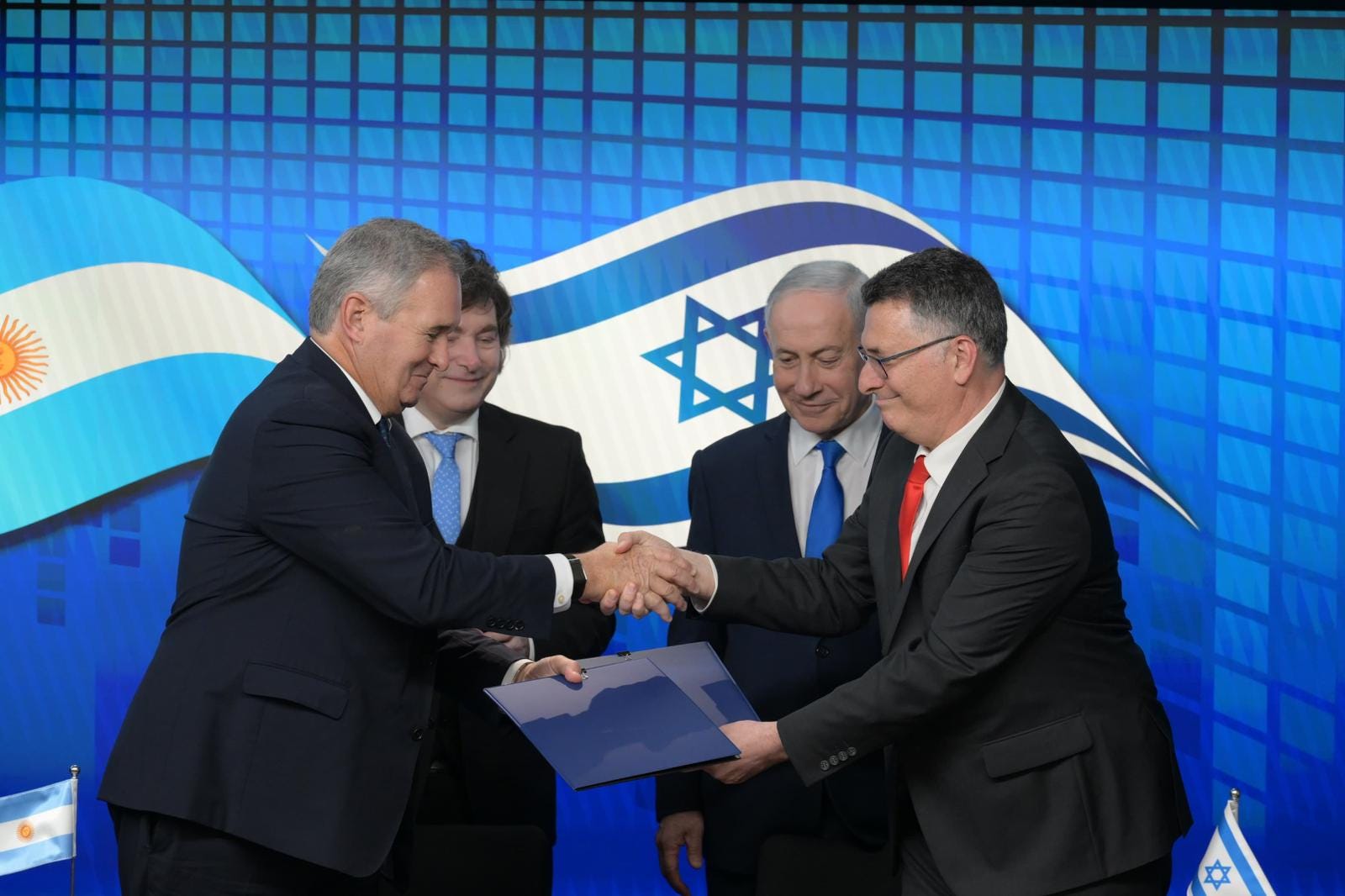
The contrast is stark - a European defense ministry might spend years evaluating the political implications of procuring an Israeli autonomous system. An Argentine or Uruguayan government, facing real security threats and cartel violence at its borders, may not take as long. And it’s not because they have lower standards.
The Milei administration has decided its job is to enable commerce rather than police it. The Milei administration has made deregulation a policy export, and Israeli firms, particularly in AI, fintech, and defense, are the natural beneficiaries. Latin American jurisdictions could become sandboxes for Israeli IP to scale without the threat of GDPR-style penalties or politically motivated procurement freezes.
Capital moves toward the path of least resistance. Right now, that path looks like its turning south. South America is offering the operational velocity and possibly, yield, that Europe has legislated out of existence.
If the shekel is too strong, does Argentina offer better labor cost for tech?
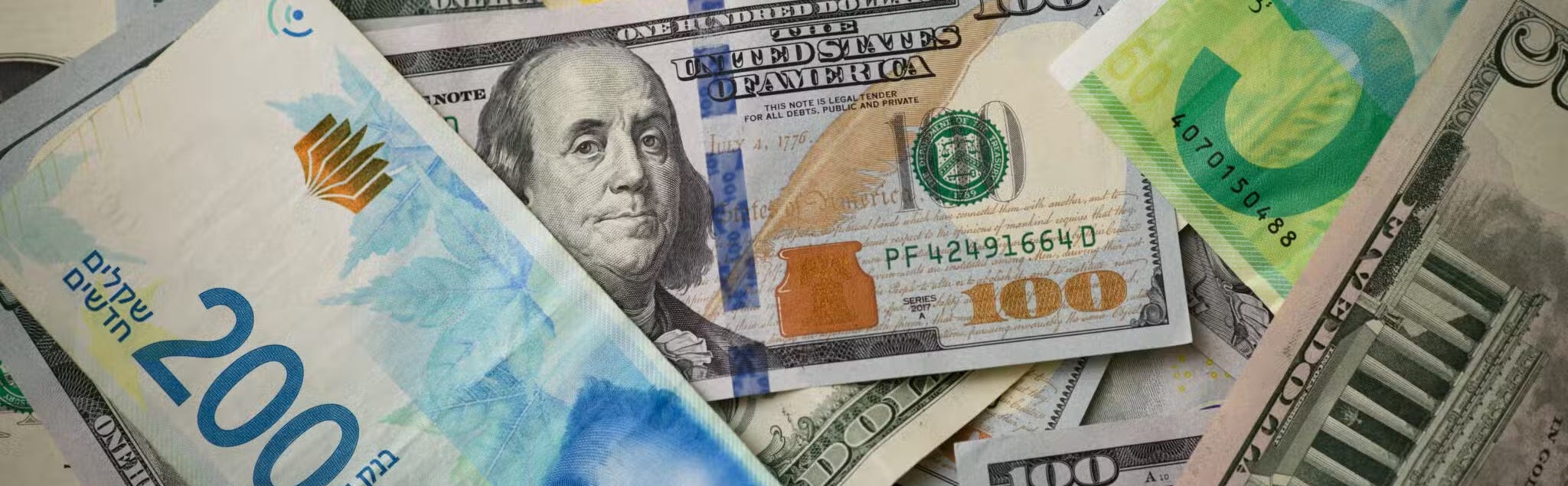
Israel’s tech sector earns in dollars. It pays salaries, rent, and operations in shekels. When the dollar trades below ₪3.00, that gap becomes a structural problem. The stronger the shekel gets, the more it costs Israeli companies to run domestically, and the harder it becomes to compete on price internationally. Economists have a name for this dynamic when it hollows out a broader economy - Dutch Disease - but the point is that it is happening here, and it is not going to go away on its own.
Latin America offers a practical release. Argentina, Brazil, and Colombia have deep pools of trained STEM talent that years of regional economic instability have kept severely underpriced relative to their actual output quality.
In this reality, Israeli software firms could even look to put their R&D operations in Buenos Aires, building engineering teams at a fraction of the Tel Aviv cost. The Isaac Accords enable that.
Argentina is the entry point for enterprise markets, minerals, and agriculture

Argentina is the entry point. What’s behind it is a continent-sized opportunity across three areas where Israeli companies are already world-class. This opens up new enterprise markets, minerals, and agriculture opportunities, to say the least. With parallel integration frameworks targeted for Uruguay, Panama, and Paraguay, and exploratory talks with pro-market factions in Brazil and Chile, Israel is building a hub-and-spoke trade structure that grows in value with every country that joins.
The market opportunity is the most immediate. Latin America has 200 million consumers, severe institutional underbanking, and a rapidly digitizing population. Israeli fintech and cloud infrastructure firms, currently squeezed in saturated OECD markets, get an enterprise market that may be ready for them.
Then there is the mineral question. Over half the world’s lithium reserves sit in Argentina, Chile, and Bolivia, the resource that China and the United States are openly competing for. A trade and technology bloc anchored in this region gives Israeli battery, EV, and autonomous driving sectors priority access. Securing that access requires more than commerce. It requires something like the border monitoring, laser defense, and autonomous systems that Elbit (TASE:ESLT) already exports against a $28 billion backlog. Latin American governments need that architecture to protect mining regions from cartel activity.
Agriculture closes the loop. As South America’s agricultural sectors face existential threats from droughts and erratic weather, expanding the Accords allows Israel to export its world-leading desalination, drip-irrigation, and precision agriculture technologies at a massive scale.
Israel’s economic statecraft is maturing
The expansion of the Isaac Accords signals a profound maturation of Israel’s economic statecraft. For too long, the nation’s export economy has been dangerously over-leveraged to the transatlantic corridor.
By aggressively pivoting southbound and scaling a multilateral bloc, Israel is hedging. Technological supremacy sets us up to acquire cheap offshore labor, secure critical 21st-century minerals, and actively address domestic regulatory capture. If fully realized, a pan-Latin American alliance secures Israel's transition from a geographically constrained tech exporter into a highly diversified, hemispherically integrated economic powerhouse.
That’s our letter, folks. If you enjoyed this Weekly, forward it to a friend.

The English TV10 newsletter is edited by Sophia Tupolev. We love to hear from you.
TV10 Global | Israel for Investors
Now in English: Bringing you the top stories from the Israeli business community, by Israel’s only business and finance network.
Please share your thoughts with us via: global@tv10.co.il or the Newsroom WhatsApp: +972-55-994-5851.
📧 Subscribe to this newsletter! And follow the daily conversation on 𝕏 @tv10global.
Pings with new editions are also available via our WhatsApp Channel.
Disclaimer: This brief is for informational purposes only and does not constitute investment advice. All data is current as of publication date.


