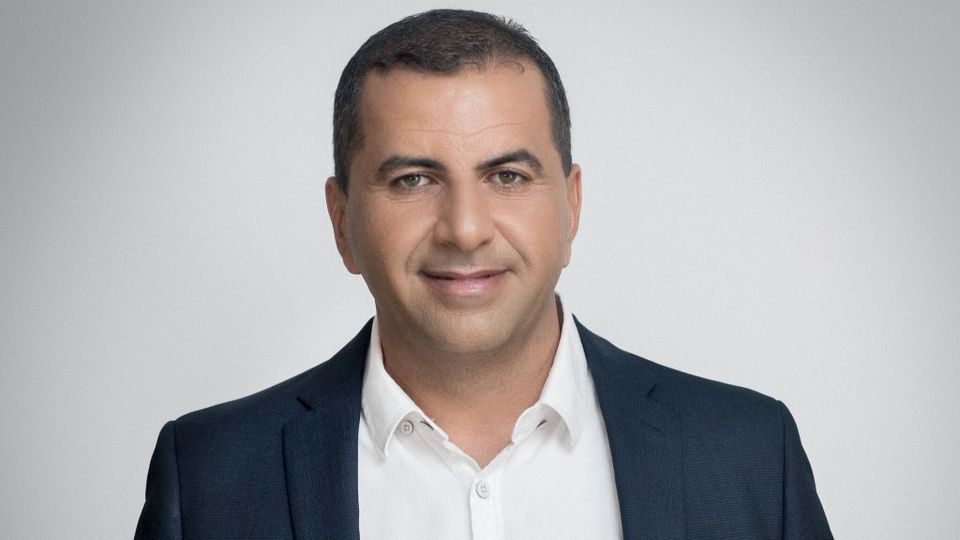
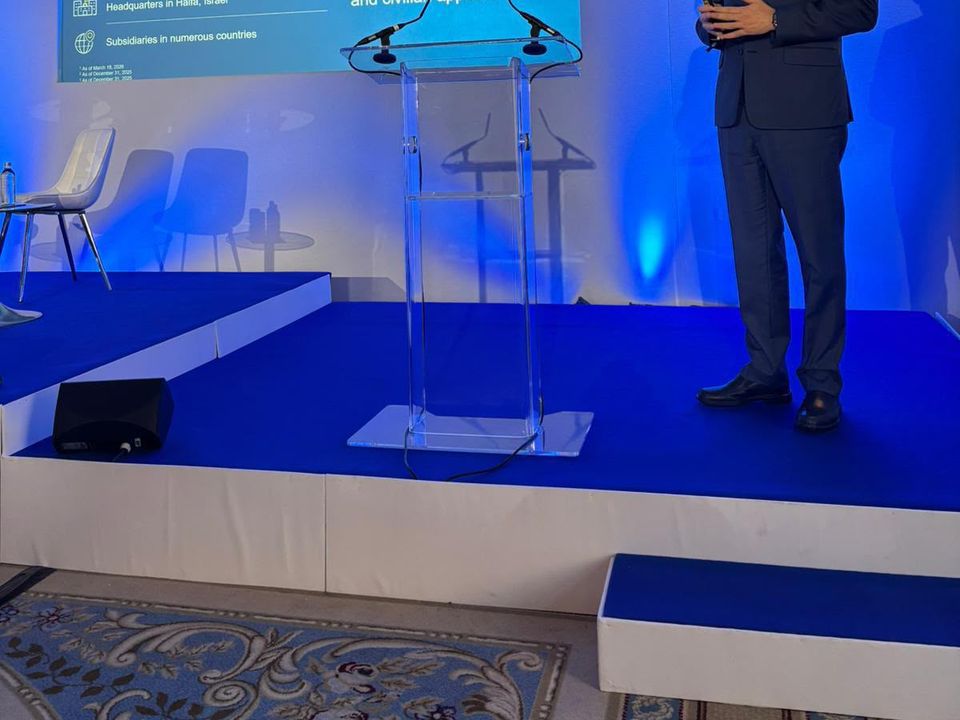
During the 42 days of the war in the Gulf, says Dr. Kobi Kagan, the consumption rate of US munitions and interceptors exceeded 50%. “Therefore, it does not matter who is in the administration,” he says. “The United States’ enormous defense demand will almost certainly continue in the coming years.”
Record backlog
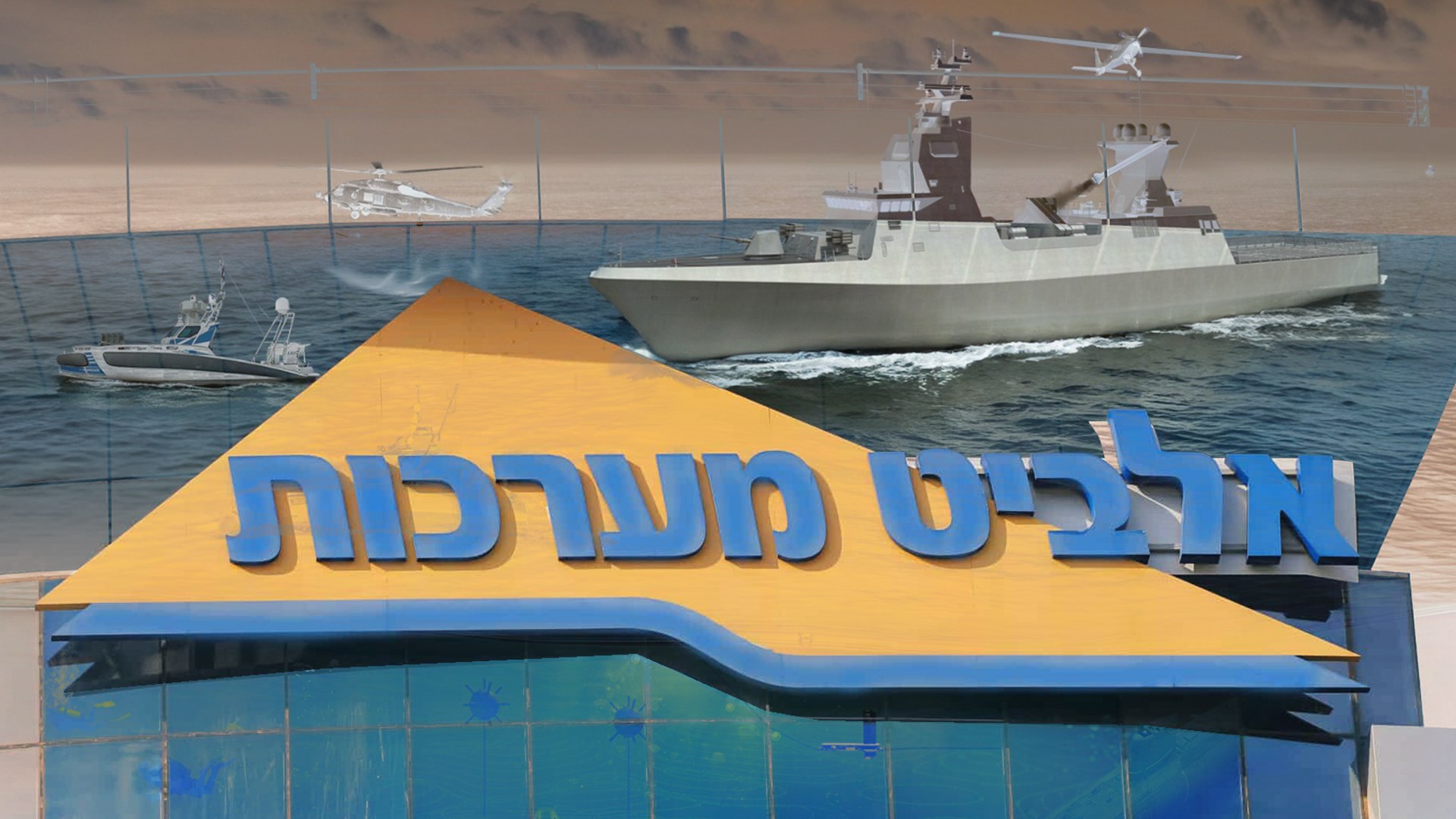
Elbit Systems is Israel’s largest defense company. It is controlled by the Federmann family, trades in Tel Aviv and on the Nasdaq, and following the report is valued at about NIS 112 billion. In the third quarter, revenue grew by 17% to $2.25 billion, and net profit rose by 33% to about $178 million. The backlog reached a record $33 billion, with about 74% of it outside Israel. For next year, the company expects revenue growth in the high teens and continued improvement in profitability.
Since the beginning of the year, the stock has risen by about 26%, but before the report it lost about 9% in one month. On Tuesday, it rose by about 5% in Tel Aviv and about 8% on Wall Street.

Positive news about orders that did not translate into a rise in the stock may disappoint investors, but Kagan stresses: “We do not focus on the share price,” he says. “What guides us is the company’s continued improvement.”
To convert orders into revenue, the company increased capital investment by 30% to $300 million a year, with the goal of increasing the pace of production and expanding its manufacturing facilities. At the same time, it is expanding its use of AI in manufacturing, production planning and procurement.
Compensation also for the interest rate
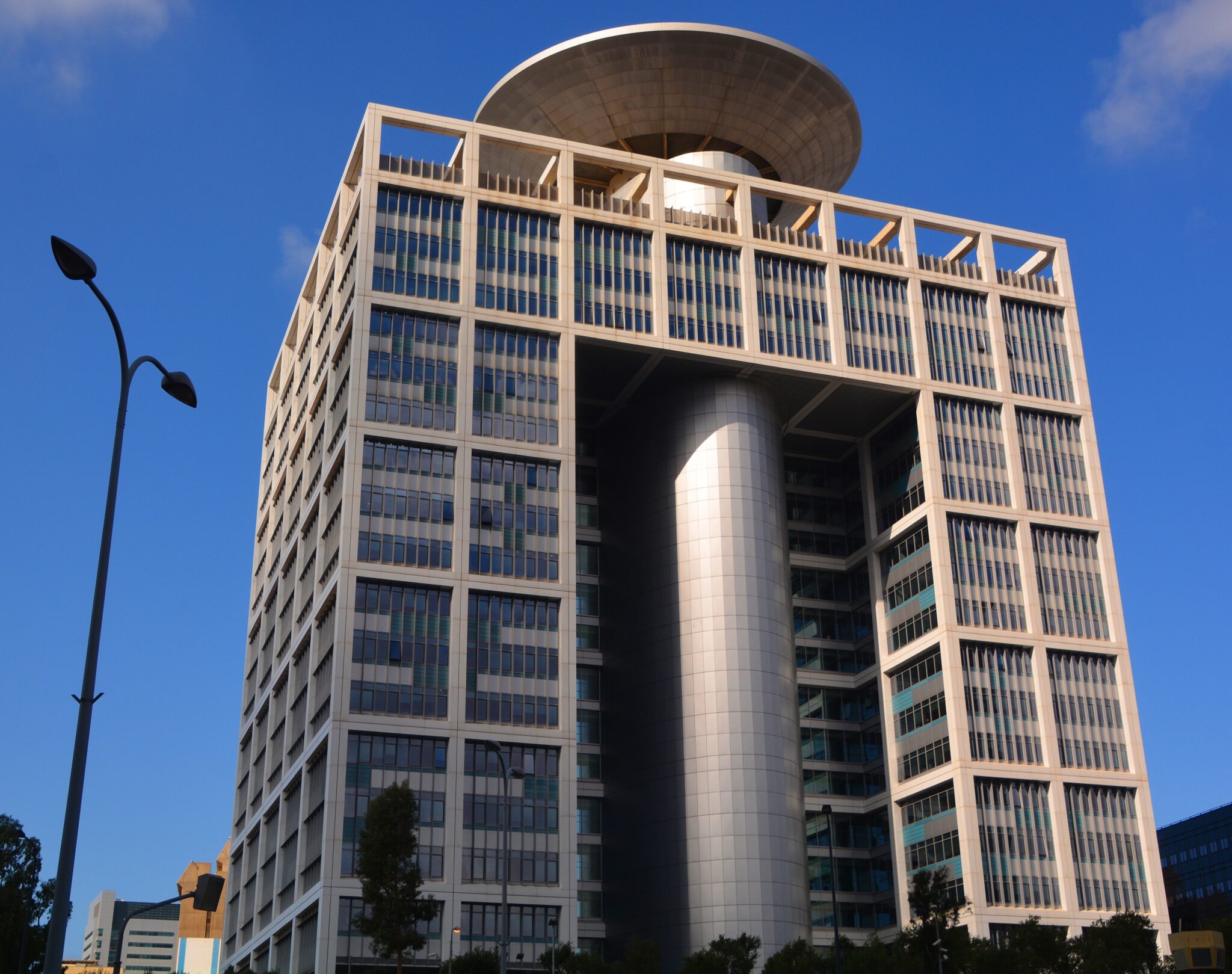
Last week, Elbit signed an agreement with the Defense Ministry, which has owed it money for years. According to Kagan, the agreement compensates the company for the financing costs it has absorbed since 2023 because of payment delays. “Something that did not exist until now,” he stresses. The compensation covers the past, as well as the future for as long as the debt continues. “Since last week, we have had certainty about the scope of the compensation, so at least this issue is behind us.”
The impact will begin to appear in the financial statements as early as the fourth quarter, through lower financing expenses. These already fell in the third quarter to $16 million, from $34.5 million a year earlier.
“Needs determine spending, not the party”
Regarding the Democrats’ new control of the Senate and House of Representatives, Kagan responds: “We have learned from experience that defense spending is not determined by one party or another.” In addition, he cites the conflict with China in the South China Sea, the Persian Gulf and the exposed “depth of the US magazine.”
He declines to comment on defense aid to Israel but is willing to discuss its impact on Elbit. According to him, the backlog includes at least three years of sales financed by the aid program (FMF) at the current pace. Without aid, munitions that until now have been purchased in the US will be bought in shekels. “We also want to have blue-and-white independence in this country, and those who understand will understand.”
Nor does he see an end to the arms buildup cycle. “We do not wish for it to grow, but the reality is difficult.” According to him, Elbit’s opportunity pipeline is the largest it has been in all his years at the company: in Europe, the Abraham Accords countries, Asia and the US.
India, Germany and pressure in Europe
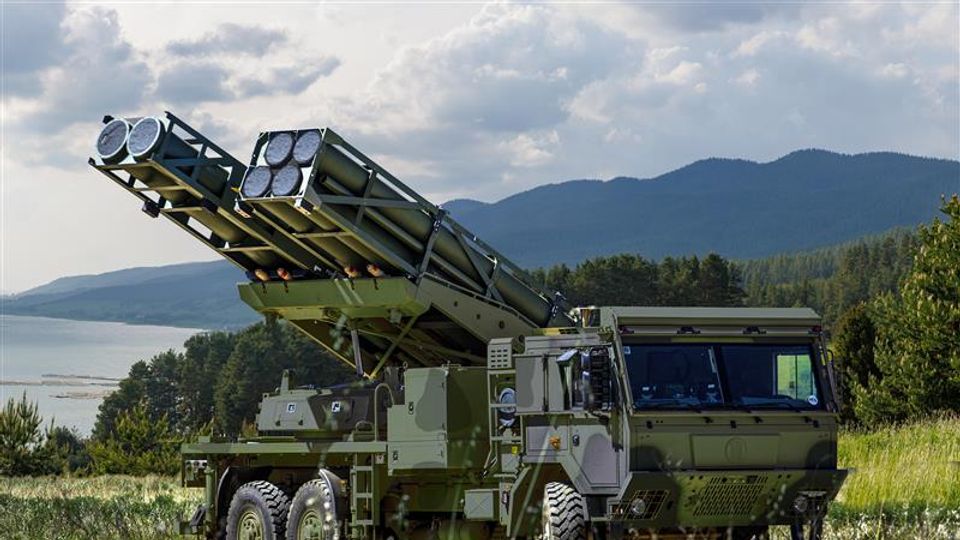
In India, Elbit works with local company NIBE, which manufactures the PULS rocket launcher there. This week, a video of a successful firing test was released, and the two companies hope it will lead to deals for munitions with ranges of 50 to 300 kilometers. “India places great emphasis on Make in India,” Kagan says. Elbit is transferring some production and knowledge to India “in a way that preserves the golden keys in Israel.”
He attributes the most significant cooperation at present to two German companies: KNDS, jointly owned by Germany and France, and privately held Diehl. According to him, Elbit will market EuroPULS, a European version of the launcher, in Europe with them.
In Europe, where Israel is unpopular, Elbit also faces reputational challenges. “I will not deny it,” Kagan says. He mentions attacks on the company’s sites in England and restrictions imposed on it at exhibitions in France. Nevertheless, Europe’s target of increasing defense spending to 5% of GDP, particularly in Germany, “creates enormous opportunities for Elbit that outweigh the pushback.”
The next war will be at sea
Kagan, a former head of procurement for the Israeli Navy, says that as early as 2021, Elbit identified the maritime sector as one of its significant growth engines, based on the understanding that in a scenario involving a conflict between the US and China, the land arena would be less relevant. That year, the company acquired US-based Sparton, which became one of two manufacturers of sonar buoys for the US Navy. More recently, this was joined by the acquisition of a Canadian company that manufactures miniature submarines, technology that “would have taken us years to develop.” Israel’s maritime market is small, but the German Navy is looking for solutions that combine crewed and autonomous vessels, and “we all saw what the Ukrainians did to the Russian fleet.”
“A company that does not grow is going backward”
To expand its profit margins, Elbit is exiting fields that are not synergistic with its operations and benefiting from operating leverage: management and marketing expenses are not growing at the same pace as sales. “With a backlog covering three years of sales, the company can be selective and avoid projects that dilute profit margins.” According to him, 2027 will be the fifth consecutive year of improved profitability.
Growth, he explains, is essential to the company’s existence. “A defense company that does not grow is a defense company that is going backward.” When I noted that over the past year we have seen quite a few Israeli defense companies like that, he replied: “Absolutely.” Marketing to dozens of countries simultaneously is an expensive mechanism, “and the only way to sustain it is through growth.”
The laser
What particularly excites him? The high-power laser. Alongside the ground-based system, Elbit is making progress in developing an airborne laser system for a helicopter, while also working on the complex development of the XCalibur Airborne Laser — a laser system installed inside a fighter jet pod. “We believe they are the big opportunity for the future of Elbit Systems.”
When asked whether the laser is intended only to intercept missiles or also to shoot down aircraft, Kagan replied: “A laser system is versatile, and I cannot say more than that.”