Israeli cybersecurity company AIR is emerging from stealth and announcing a $50 million Seed round, led by Sequoia and Greenoaks. The company is developing a security platform designed to protect AI agents from threats in their supply chain.
Swish and Netz also participated in the round, alongside a group of private investors from the cybersecurity and AI industries, including Zack Frankel, president of Cognition; Yinon Costica, co-founder of Wiz; Ofir Ehrlich, co-founder of Eon; and Varun Anand, co-founder of Clay.
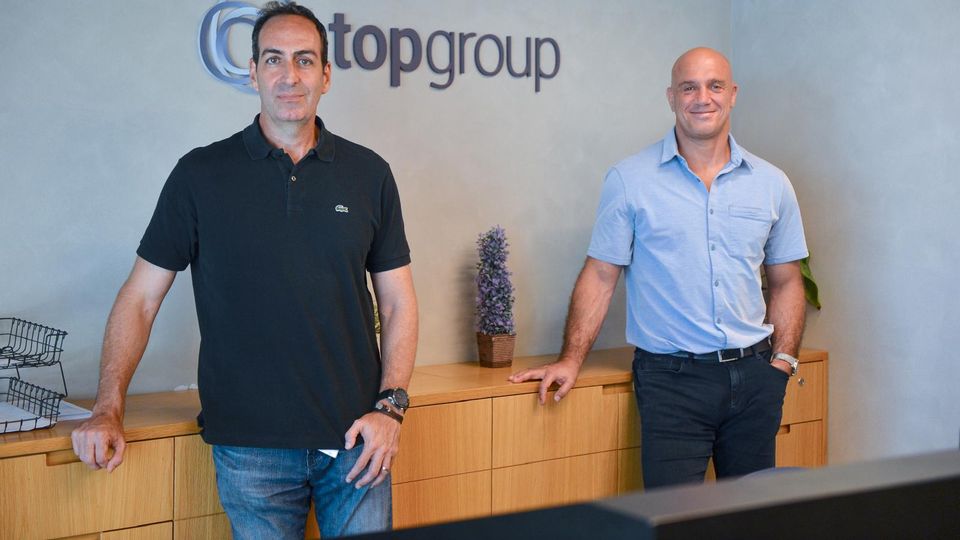
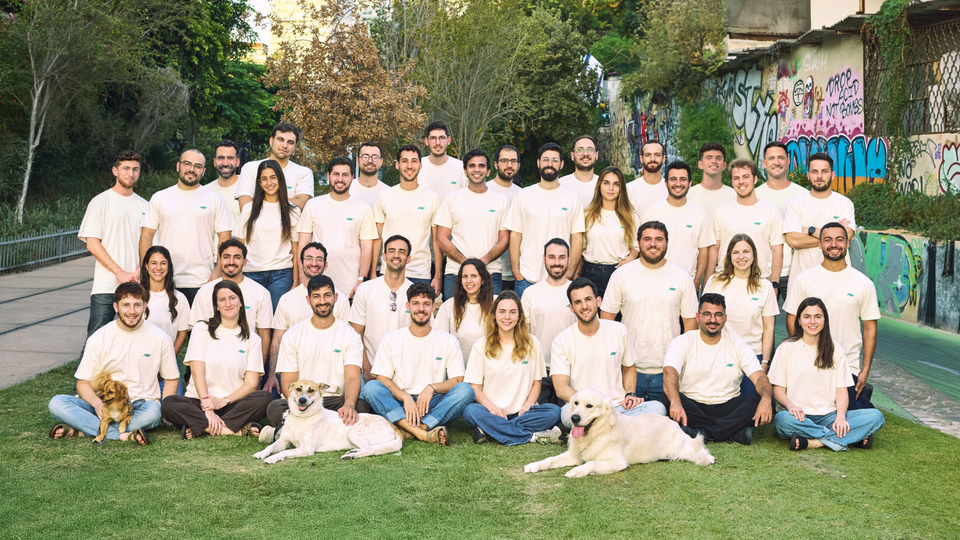
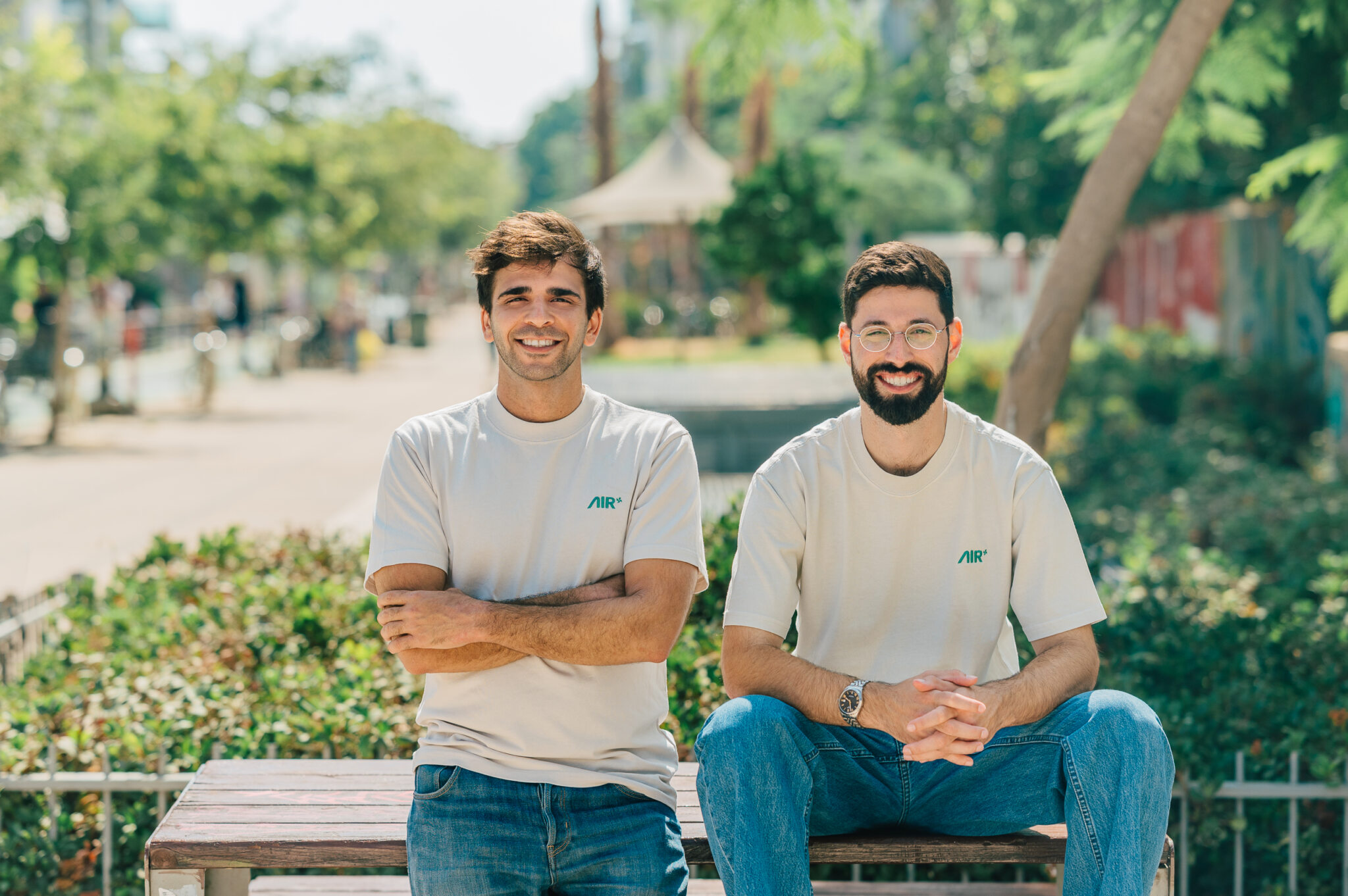
Although the company is very young and was founded only this year by Yair Saban and Niv Hoffman, the two, who met in the military about a decade ago, have already accumulated extensive experience in offensive cybersecurity, enterprise infrastructure and AI security. The company currently employs about 40 people in Israel.
The risk the Israeli cybersecurity company is seeking to address stems from the expanding use of AI agents in organizations. The agents connect to data, tools and external services and even perform actions on behalf of employees, meaning a compromised plugin or malicious content could cause them to take unwanted actions and expose organizations to data theft, fraud and unauthorized access.
The challenge is particularly complex because AI agents make decisions in real time based on the information they encounter during their activity. As a result, security teams have limited control over the information that influences the agents, the tools they access and the actions they perform.
Another problem arises when a plugin that has already been implemented in an organization is later found to be malicious or vulnerable. In such a case, security teams must quickly identify which agents and processes depend on the plugin and remove it from the relevant systems.
AIR also based its operations on a series of security studies it conducted in the field. In one, it identified more than 17,800 public AI plugins, with about 6.7 million installations, that relied on untrusted external sources for instructions. Another study found Skills impersonating well-known brands such as Anthropic and OpenAI, one of which could even run arbitrary code on enterprise systems.
To address the risk, AIR developed a firewall that operates in real time and protects the context of AI agents. The system is designed to identify and stop malicious instructions, untrusted data and compromised tools before they affect the agent's decisions or actions.
In other words, AIR's product is a type of security layer positioned between the information reaching the agent and the decisions it makes, with the aim of identifying dangerous content or tools before the agent can act on them.
The platform allows information security teams to continuously map, inspect and manage the plugins, Skills, MCP servers and subagents used by AI agents, both before their implementation and afterward.
Thus, if a plugin is identified as malicious, vulnerable or unauthorized, the system can identify the agents and processes that depend on it and allow the organization to stop using it immediately.
This means the system not only identifies a problematic plugin but also acts to show the organization who is using it and allows it to stop its use.
In addition, AIR offers a catalog of AI plugins that have been scanned and vetted in advance, with the aim of allowing organizations to expand their agents' capabilities while using tools that have undergone security checks.
Yair Saban, co-founder and CEO of AIR, says organizations now need a new security layer that will protect the AI agents themselves. Saban said: "Every organization has a firewall layer that protects its network. Now organizations also need a firewall layer that will protect their AI agents, one that protects the data and instructions entering their context."
Greenoaks believes the growing use of AI agents is changing the enterprise attack surface because the agents use plugins, Skills and MCP servers in real time that security systems have not always vetted in advance. AIR is seeking to provide a dedicated control and monitoring layer for this environment.
Patrick Backhouse, a partner at Greenoaks, said: "Software supply chains have never been the most critical attack surface in an organization. With the arrival of AI agents, they are becoming a critical component of the security framework. Agents operate in real time and use Skills, plugins and MCP servers from sources that security teams have not necessarily vetted, while evading scanning tools built for the traditional software world."