

🍿 Get the Daily on Spotify, too
Quick takes:
Macro: The Bank of Israel held its benchmark interest rate at 4%; The Knesset approved a sweeping ₪850 billion state budget for 2026; Ministry of Finance Director General announced his resignation; The defense establishment finalized a ₪700 million incentive package to retain critical IDF personnel.
Tech: A new Innovation Authority survey reveals Operation Roaring Lion is severely straining the tech sector.
Capital Markets: Menora Mivtachim posting a record yearly net profit for 2025; Ayalon Insurance generating an exceptional ROE; Dor Alon and Yochananof reported massive top-line growth and record EBITDA despite cost-of-living margin pressures.
Macro
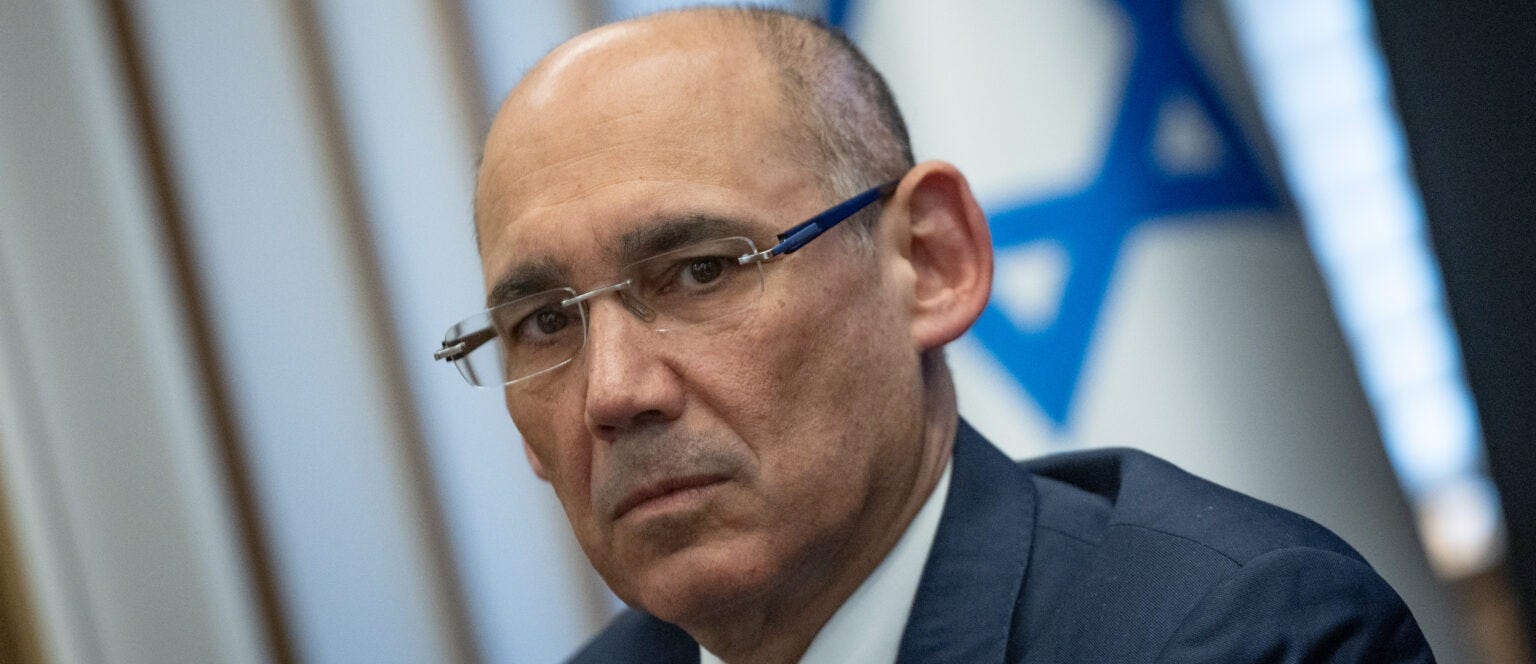
The Bank of Israel left its benchmark interest rate unchanged at 4%, aligning with market expectations. BOI Governor Prof. Amir Yaron and the central bank cited heightened local and global geopolitical uncertainty stemming from the onset of Operation Roaring Lion, particularly regarding the duration and intensity of the war. The BOI also noted a rising inflation environment driven by a global surge in energy prices. The Tel Aviv Stock Exchange (TASE) research unit highlighted extreme volatility in oil markets. TASE concluded that the conditions for a rate cut have not materialized, and reductions may be delayed to the second half of the year, if at all. The strengthening dollar also threatens to weaken the shekel and exacerbate local inflationary pressures.
Our take: The Bank of Israel is effectively trapped between a geopolitical anvil and an inflationary hammer. By holding the benchmark rate at 4%, Governor Yaron is clearly prioritizing currency defense and inflation containment over immediate economic relief. The violent whiplash in global energy markets, with Brent crude spiking to nearly $113 a barrel following Iran’s rejection of ceasefire negotiations, demonstrates exactly how vulnerable Israel is to imported inflation during Operation Roaring Lion.
Furthermore, the combination of a strengthening U.S. dollar, massive local fiscal expansion, and geopolitical uncertainty creates severe downward pressure on the shekel and poses a distinct threat to the local government bond market. For investors, the message from the central bank and the TASE is clear: the higher for longer era is firmly entrenched. With rate cuts likely delayed until the second half of the year, if they happen at all, markets must price in sustained tight monetary conditions, which will continue to breed political friction with a Finance Ministry desperate for growth-stimulating cuts.
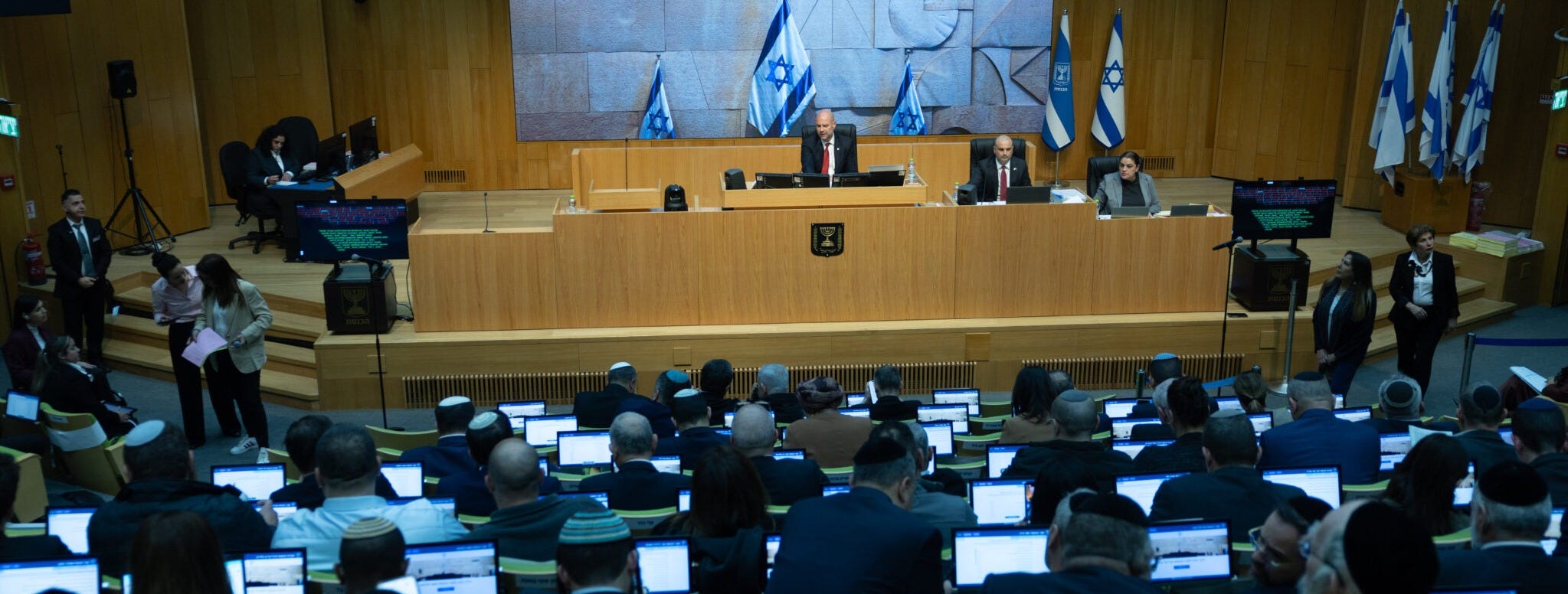
Following a late-night session, the Knesset passed the 2026 state budget in its second and third readings with a 62-55 majority. The expansive ₪850 billion fiscal package is composed of a ₪621 billion regular budget and a ₪228 billion development and capital account. Additional frameworks include ₪77 billion in income-dependent conditional spending and a ₪196 billion commitment authorization. The budget used to calculate the expenditure limit is set at ₪699 billion, with debt payments (excluding National Insurance) projected at ₪151 billion.
Driven by the severe fiscal demands of Operation Roaring Lion, which commenced on February 28, 2026, and included massive homefront missile defense alongside direct strikes in Iran, defense spending surged by over ₪30 billion to eclipse ₪142 billion. To accommodate the prolonged geopolitical reality, the deficit ceiling was set at 4.9% of GDP. The government authorized an overall expenditure increase of up to ₪60 billion (8.8%), with built-in contingencies allowing for an additional ₪7 billion if the military campaign extends, plus a ₪5.8 billion civilian emergency reserve. Despite the historic defense outlay, substantial capital remains allocated to civilian infrastructure, including ₪97 billion for the Ministry of Education, nearly ₪64 billion for the National Insurance Institute, and ₪63 billion for the Ministry of Health.
The macro picture remains highly contested politically. Finance Minister Bezalel Smotrich lauded the macroeconomic data, citing a strong shekel, rising stock market, record high-tech investments, low unemployment, and falling inflation. Conversely, Opposition Leader Yair Lapid heavily criticized the inclusion of ₪6 billion in coalition funds, labeling the budget the “greatest theft in state history” and arguing those funds could have financed over 150,000 bomb shelters.
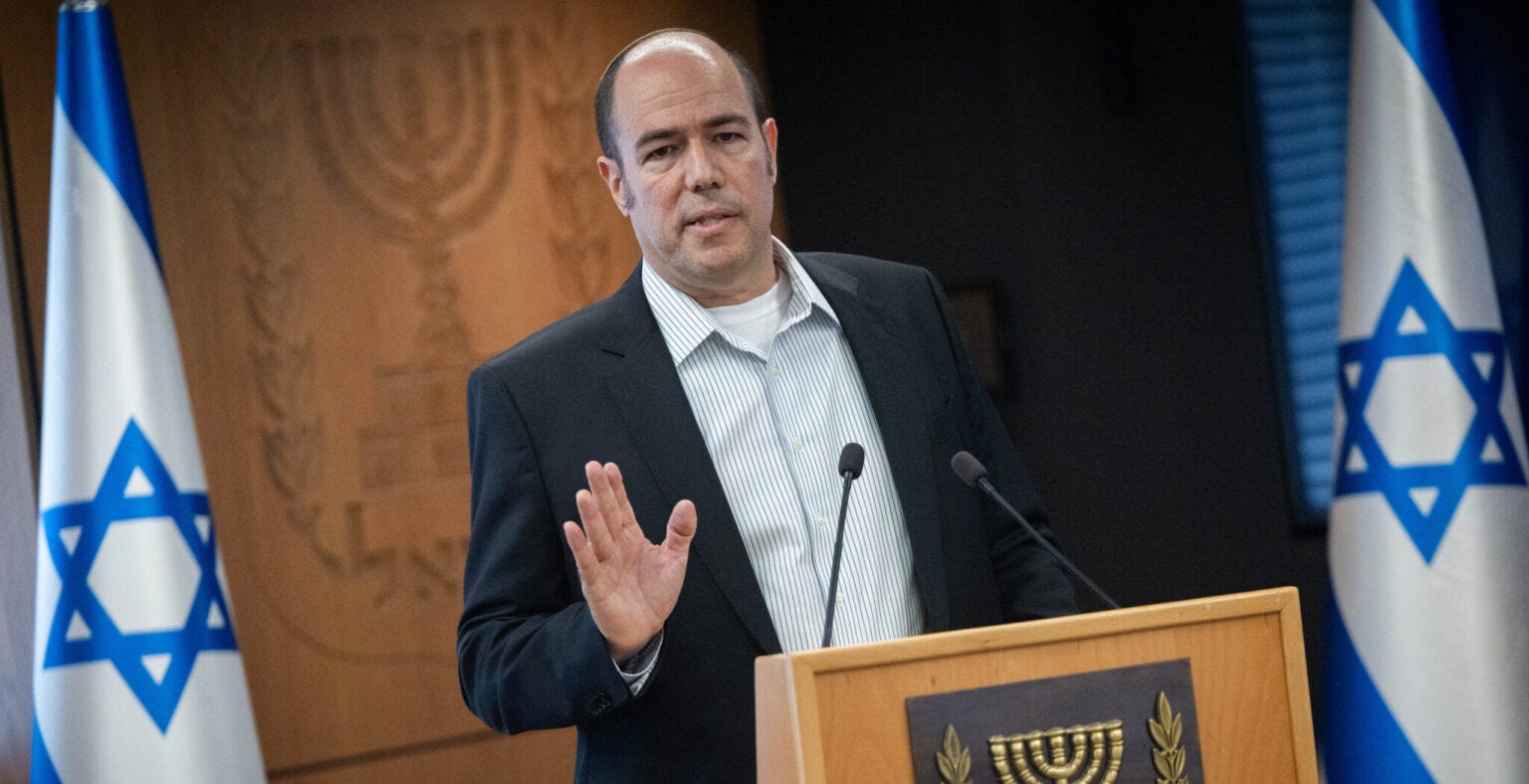
Following the budget’s passage, Ministry of Finance Director General Ilan Rom announced his resignation. A former senior Mossad official, Rom was instrumental in passing both the 2025 and 2026 budgets, leading defense budget negotiations, and partnering with the Tax Authority to combat black capital. Notably, he pivoted the ministry’s strategic focus toward post-war geo-economic policy, including preparations for ‘Abraham Accords 2.0’ and the strengthening of regional economic alliances.
On the defense personnel front, the Ministry of Defense, Ministry of Finance (Wage Department), and the IDF finalized a ₪700 million incentive program for career soldiers for the current work year. Following the recommendations of the Nagel Committee, the budget strictly targets combat commanders, operational units, and core technological personnel to ensure the retention of high-quality human capital.
Our take: To fully grasp the magnitude of the ₪850 billion budget, investors must look at the structural shift in Israel’s defense burden compared to the rest of the developed world. Historically, Israel’s defense budget hovered around ₪60-₪70 billion (roughly 4.5% to 5.5% of GDP), already a global outlier compared to the OECD average, where most member states hover between 1.5% and 2%. At an unprecedented ₪142 billion, the 2026 defense allocation has effectively doubled pre-2023 levels, pushing Israel’s defense-to-GDP ratio toward an estimated 7%. This creates a macroeconomic profile entirely divorced from Western peers.
While other OECD nations can comfortably run leaner budgets focused on civilian growth, social welfare, and infrastructure, Israel is forced to maintain an elevated 4.9% deficit ceiling well into 2026 just to sustain its military edge against Iran and Hezbollah, while simultaneously servicing a massive ₪151 billion in debt. The long-term structural risk here is the crowding out effect: with such a massive, rigid defense baseline becoming the new normal, future governments will have severely limited fiscal maneuverability. Despite the rosy macroeconomic indicators touted by the Finance Ministry, this level of sustained defense spending means structural tax hikes or deeper cuts to civilian services are likely inevitable to bridge the ongoing gap.
Tech
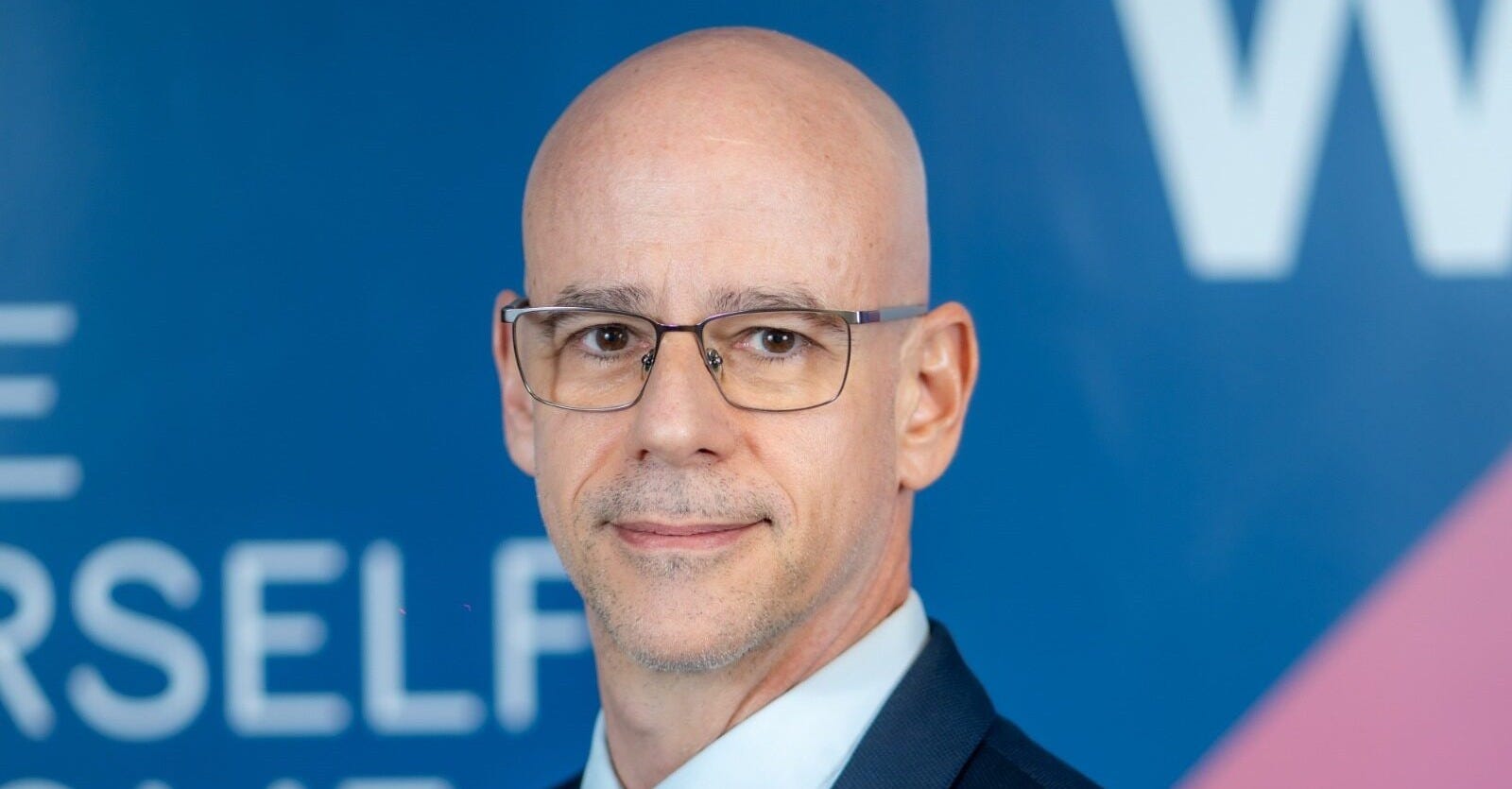
The economic toll of Operation Roaring Lion is becoming starkly visible in the high-tech sector. A new survey conducted by the Israel Innovation Authority during the third week of the multi-front war with Iran (March 18-23, 2026) polled 637 tech companies, primarily startups and deep-tech growth firms. The data reveals acute operational bottlenecks: 48% of firms are experiencing absences of over 25% of their workforce due to reserve duty, school closures, and security restrictions. Only 11% reported full attendance.
Capital raising has taken a severe hit, with 71% of companies reporting that the security situation has negatively impacted funding rounds. Specifically, 37% face delayed processes, 23% report investors postponing decisions, and 11% have seen funding rounds canceled entirely. The pain is particularly acute for smaller firms and those located in the North and South. Operationally, 87% of companies are missing development targets or delaying product launches (42% significantly), while 75% report that international flight restrictions are harming sales and investor meetings. Looking ahead, 31% of companies are actively considering relocating operations abroad, and 12% warn that a prolonged conflict could force them to shut down entirely. Despite these severe headwinds, mass layoffs have been avoided so far, with only 10% of firms placing employees on unpaid leave. Innovation Authority CEO Dror Bin noted that the agency is actively analyzing the survey results to formulate targeted policy tools and assistance measures to stabilize the industry.
Capital Markets
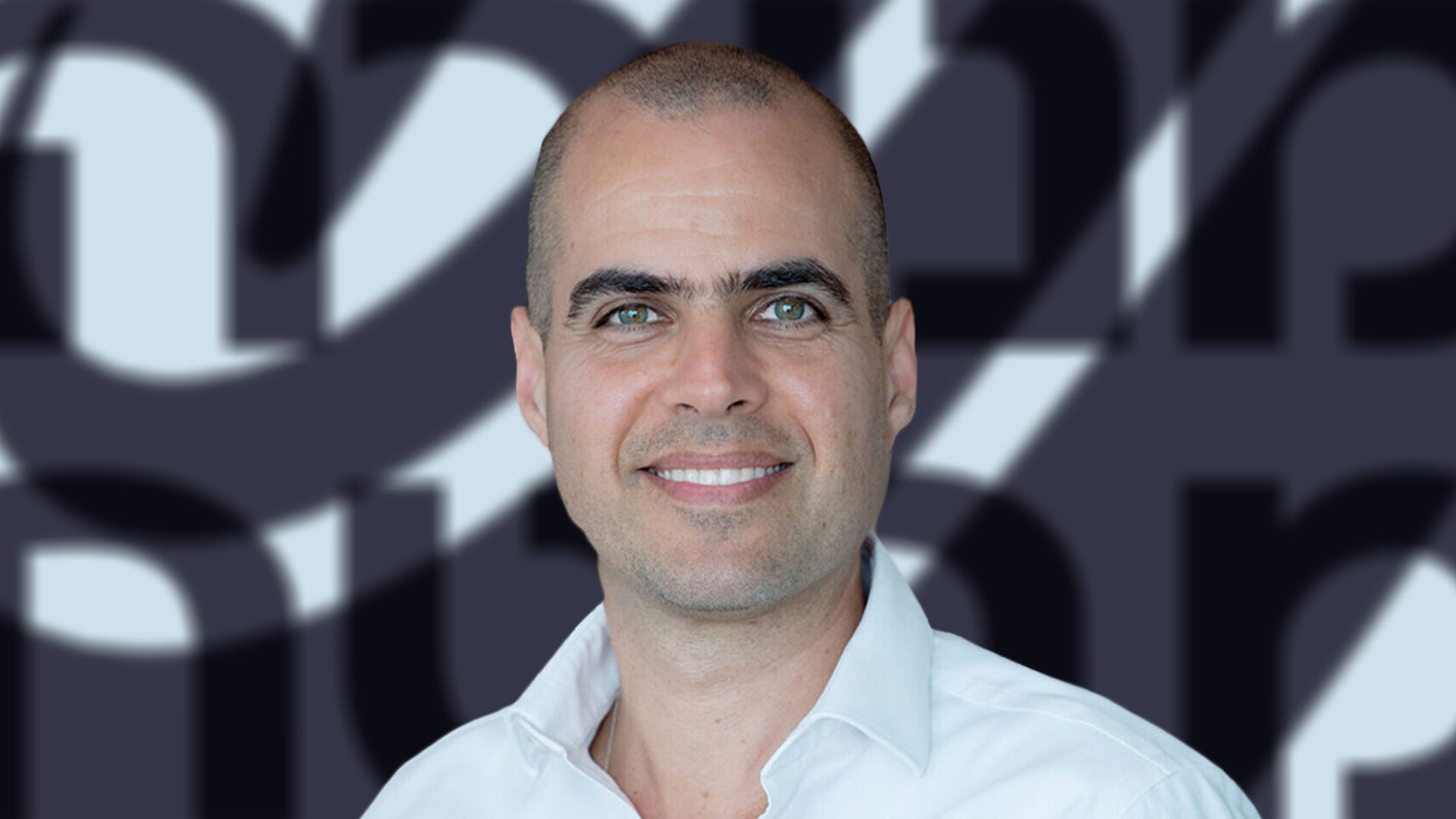
Menora Mivtachim Group (TASE:MMHD) closed 2025 with record-breaking financials, as comprehensive net profit surged 36.3% YoY to ₪2.34 billion. The insurance giant delivered an exceptional Return on Equity (ROE) of 31.5% for the year (spiking to 34.9% in Q4), marking its third consecutive year leading the top five insurance groups in this metric.
Adjusted net profit climbed 13% to ₪1.78 billion. The company’s growth was heavily supported by its credit portfolio, which expanded 43% to ₪8.3 billion, driving a 35% jump in credit sector profit to ₪183 million. The CSM and Value in Force (Pension) expanded by ₪1.2 billion to ₪21.2 billion. Capitalizing on this momentum, Menora declared an additional ₪500 million dividend, bringing its total 2025 distribution to ₪1.1 billion. The stock is up approximately 15% since the start of 2026.

Ayalon Insurance (TASE:AYAL) echoed this sector-wide strength, reporting a 66% YoY surge in 2025 comprehensive income to ₪431.2 million, bolstered by its consolidated results with weSure Insurance. Q4 profit alone jumped 75% to ₪111.3 million. Ayalon generated a massive 33% ROE for the year and distributed ₪125 million in dividends. Total premiums for the year reached ₪5.05 billion, with the company maintaining a strong solvency ratio of 136% (including transition provisions). The stock has rallied roughly 51% since the beginning of 2026.
Dor Alon (TASE:DRAL), controlled by Moti Ben-Moshe, reported a 94% YoY surge in 2025 net profit to ₪248.2 million, driven by core operational growth across its energy, retail, and real estate segments. Annual EBITDA reached an all-time high of ₪520 million (+6.2% YoY), while operating profit climbed 20.5% to ₪249 million. The company’s expansion strategy, highlighted by the integration of the Kafou Zan acquisition and BBB group into its food sector, has successfully diversified its revenue streams. Real estate assets on the books now sit at ₪1.67 billion. The stock has surged roughly 36% since the start of 2026.
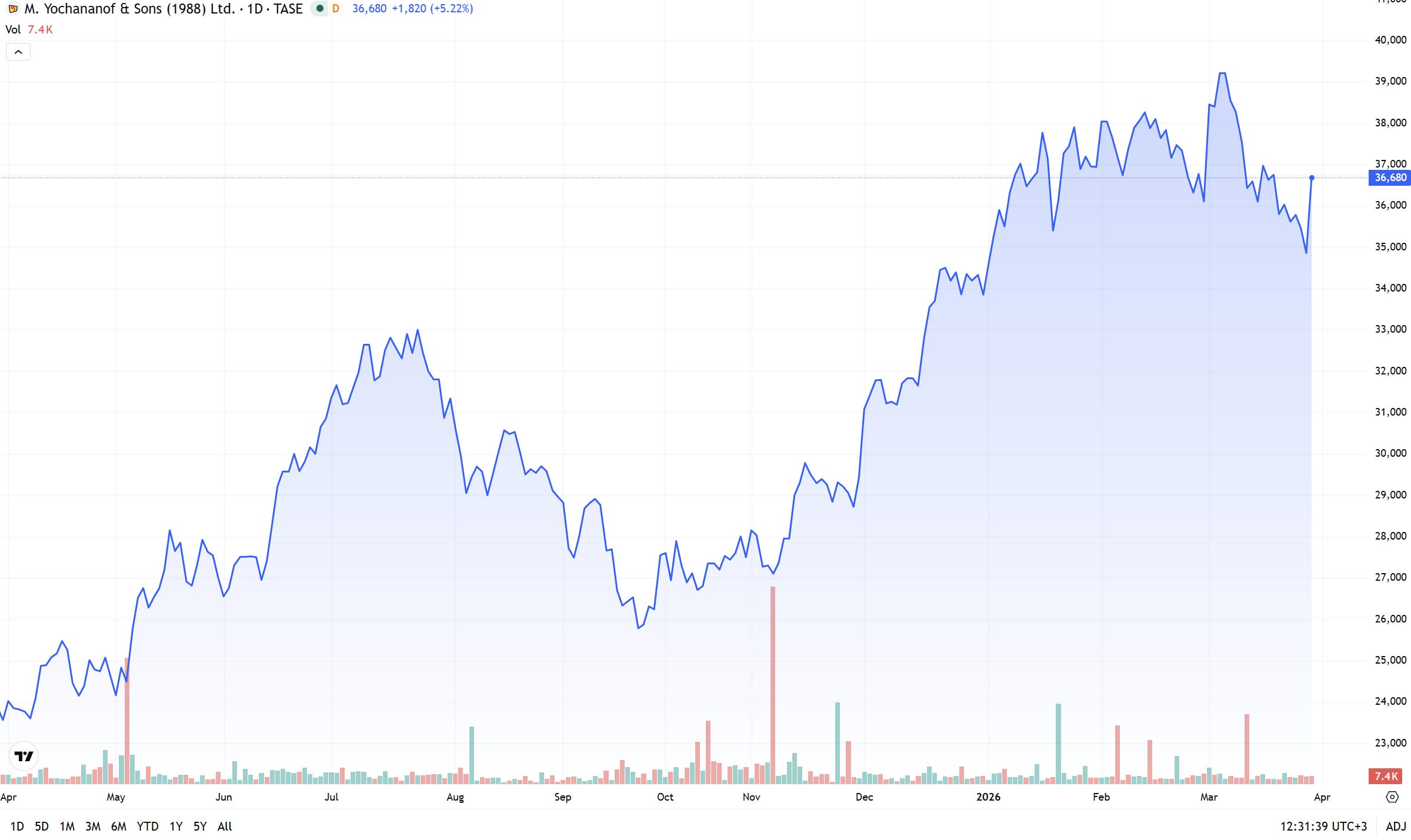
Retailer Yochananof (TASE:YHNF) posted record 2025 revenues of ₪5.25 billion, with its core retail sector growing 7.8% to ₪5.14 billion. The top-line expansion was supported by a 2.5% increase in same-store sales (rising to 3.8% in Q4), which management attributes to structural market share gains. Annual EBITDA hit ₪551 million, representing a 10.5% margin. However, the company absorbed slight margin compression, with gross profit in the food retail segment dipping from 20.1% in 2024 to 19.7% (₪1.01 billion) in 2025. This contraction was a deliberate strategic move, driven by across-the-board price reductions and deep promotions aimed at combatting the cost of living. Annual net profit landed at ₪189 million, burdened slightly by a one-time ₪7 million goodwill impairment.
TASE snapshot for Monday, March 30, 2026
TA-35 Index (TASE:TA35): 🔴 -1.89%
TA-90 (TASE:TA90): 🔴 -2.32%
TA-125 (TASE:TA125): 🔴 -1.98%
If you enjoyed this update, forward it on.
TV10 Global | Israel for Investors
Bringing you the top stories from the Israeli business community, by Israel’s only business and finance network.
Share your thoughts with us via: global@tv10.co.il or the Newsroom WhatsApp: +972-55-994-5851.
📧 Subscribe to this newsletter! And follow the daily conversation on 𝕏 @tv10global.
Pings available via WhatsApp Channel.
Disclaimer: This brief is for informational purposes only and does not constitute investment advice. All data current as of publication date.


