

🍿 Get the Daily on Spotify, too
Quick takes:
Macro: The Israeli state is processing over 28,000 property damage claims following Operation Roaring Lion; The Ministry of Transport successfully concluded an unprecedented wartime aviation operation.
Energy: NewMed Energy shares surged after signing a Brent-pegged agreement to export 100 BCM of natural gas from Cyprus to Egypt.
Telecom: Bezeq recorded a spike in household broadband usage and a severe spike in civilian-targeted cyberattacks.
Macro and government
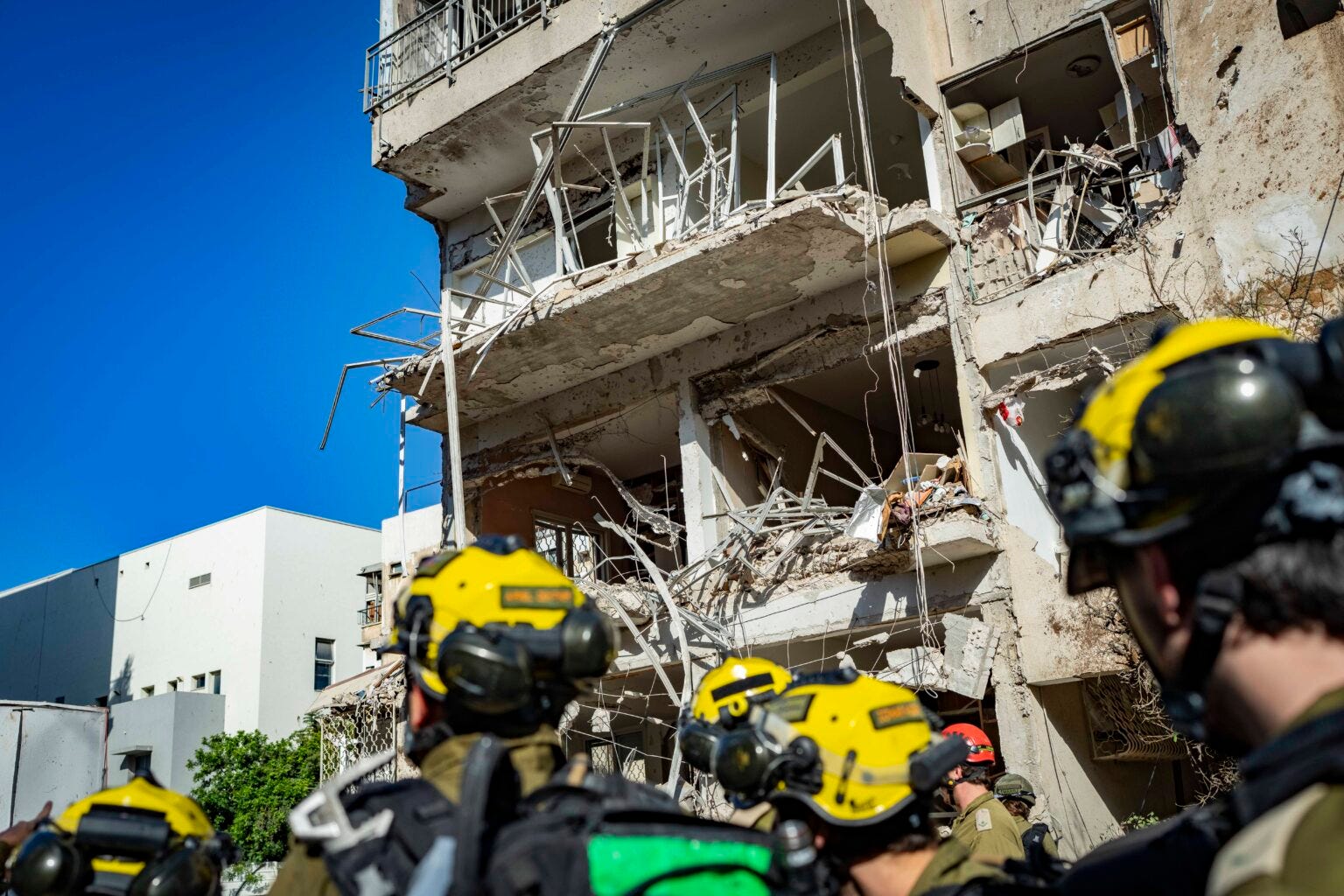
The Israel Tax Authority's compensation fund released its initial damage assessment from Operation Roaring Lion, reporting 28,237 property damage claims since February 28. The bulk of the claims involve structural damage (18,408) and vehicle damage (6,617). The economic hub of Tel Aviv-Yafo absorbed the highest volume with 5,124 claims, followed by Be'er Sheva (3,573) and Arad (2,361). To inject liquidity quickly, 81% of cases are already being processed, including over 4,100 claims via a fast-track route for damages under ₪30,000.
Our Take: The sheer density of property claims, particularly the heavy concentration in the high-value real estate market of Tel Aviv, will severely test the fiscal elasticity of the State's compensation fund. By pushing 81% of claims through expedited channels, the Treasury is effectively prioritizing rapid cash injections to prevent local consumer and SME insolvencies.
However, this domestic fiscal outlay, combined with the exorbitant logistical costs of maintaining open airspace for over 600,000 citizens under fire, underscores the deep macroeconomic friction Israel is currently navigating. Foreign institutional investors must closely monitor sovereign debt yields over the coming quarters as the Ministry of Finance issues bonds to cover these direct, unbudgeted kinetic costs.
Israel’s Ben Gurion airport resumed normal operations today, marking the official end of the country’s wartime aviation emergency. During the fighting, special op “Lion’s Wings” ensured that over 300,000 Israelis made it home safely, while another 310,000 were able to leave, all through a combination of 700 dedicated flights and land crossings.
The operation required the immediate evacuation of civilian fleets from Ben Gurion and Haifa airports within hours of the war's outbreak, followed by a heavily coordinated reopening of the airspace with international aviation authorities.
Energy

NewMed Energy (TASE: NWMD) jumped 7.5% following the announcement of a massive memorandum of understanding (MOU) to sell 100% of the extractable natural gas from the Aphrodite reservoir in Cyprus to EGAS, Egypt's national gas company. The 15-year Take or Pay agreement, pegged to Brent crude, covers approximately 100 BCM. NewMed (30% stake), alongside supermajor partners Chevron (35%) and Shell (35%), will form a dedicated joint venture to build a subsea pipeline to Egypt. A Final Investment Decision (FID) is slated within 12 months.
Our take: This is a textbook geopolitical de-risking play that cements the Eastern Mediterranean's clout as a pivotal energy corridor. By routing Aphrodite’s reserves directly to Egypt's existing LNG export terminals, rather than waiting on highly complex, capital-heavy European pipeline infrastructure, NewMed and its partners are monetizing a stranded asset with aggressive speed. For capital markets, the Brent-pegged pricing structure provides NewMed with a highly lucrative, inflation-resistant hedge against localized volatility.
Telecom
Bezeq (TASE:BEZQ) reported a 30% spike in national internet usage since the onset of the conflict, with daily household consumption rising from 20GB to 25.6GB. Notably, landline usage also surged by 60%. The rapid transition to remote work and home-sheltering was accompanied by a massive surge in cyber warfare targeting civilian infrastructure. Bezeq’s network defenses blocked 5.9 million daily phishing attempts and recorded a 16.5% increase in direct attacks on home routers, neutralizing roughly 1.7 million direct intrusions per day.
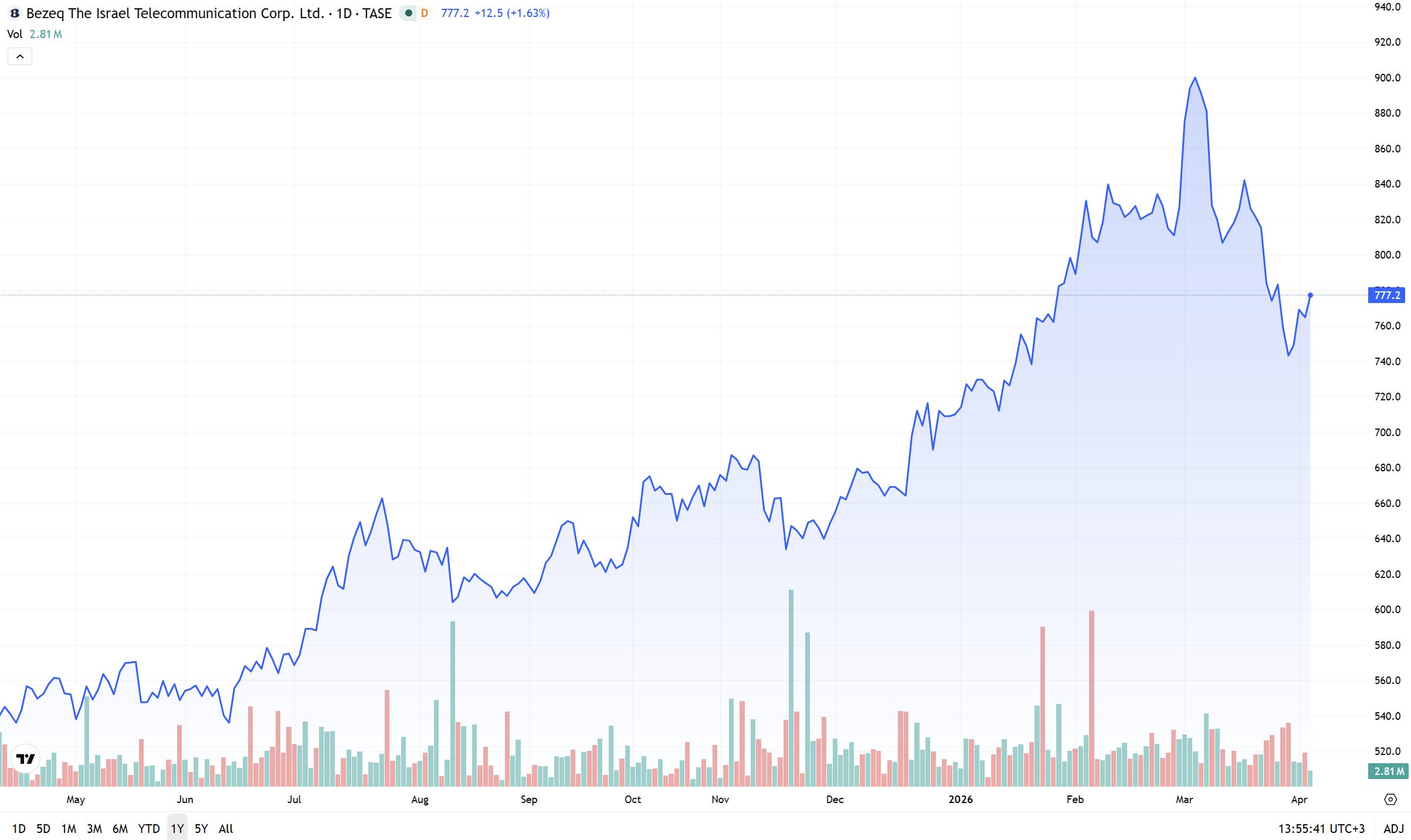
Our take: The rapid, forced pivot to a localized remote economy proved the resilience of Israel's physical telecom infrastructure, but the alarming cyber data is the true leading indicator here. Nation-state actors and organized hacktivists clearly utilized the kinetic conflict as a smokescreen to probe civilian IoT and edge-network vulnerabilities. This could be a structural tailwind for Israeli cybersecurity equities. Corporate IT budgets could be forced into an accelerated upgrade cycle, procuring enterprise-grade zero-trust solutions to secure highly vulnerable employee home networks.
TASE snapshot for Thursday, April 9, 2026
TA-35 Index (TASE:TA35): 🟢 +2.64%
TA-90 (TASE:TA90): 🟢 +1.20%
TA-125 (TASE:TA125): 🟢 +2.39%
If you enjoyed this update, forward it on.
TV10 Global | Israel for Investors
Bringing you the top stories from the Israeli business community, by Israel’s only business and finance network.
Share your thoughts with us via: global@tv10.co.il or the Newsroom WhatsApp: +972-55-994-5851.
📧 Subscribe to this newsletter! And follow the daily conversation on 𝕏 @tv10global.
Pings available via WhatsApp Channel.
Disclaimer: This brief is for informational purposes only and does not constitute investment advice. All data current as of publication date.


