

🍿 Get our coverage on Spotify, and Youtube, too. Want to join the conversation? We’re on X
Quick takes:
Macro & Sovereign Credit: S&P Global Ratings reaffirmed Israel’s ‘A’ rating with a stable outlook; Bank of Israel FX reserves hit a historic $235.7B.
Real estate & Infrastructure: Nvidia’s Yokneam hub expands via a ₪167M office tower project; Jan Koum donates $200M to Shaare Zedek Hospital; Valery Kogan’s Caesarea mansion hits the market for $210M.
Macro & Sovereign Credit
S&P Global Ratings has officially reaffirmed Israel’s ‘A’ sovereign credit rating with a ‘Stable’ outlook, a critical move that signals deep institutional confidence despite the friction of ongoing regional volatility. The rating agency anchored its decision on the underlying structural strength of the Israeli market, explicitly highlighting the economy’s innovative tech core, flexible monetary framework, and persistent current account surplus. Crucially, S&P noted that Israel’s sovereign debt profile remains highly insulated from external shocks; the debt is overwhelmingly shekel-denominated and financed by a deep, captive pool of domestic institutional savings, with the agency observing zero evidence of capital flight or deposit instability within the commercial banking sector.
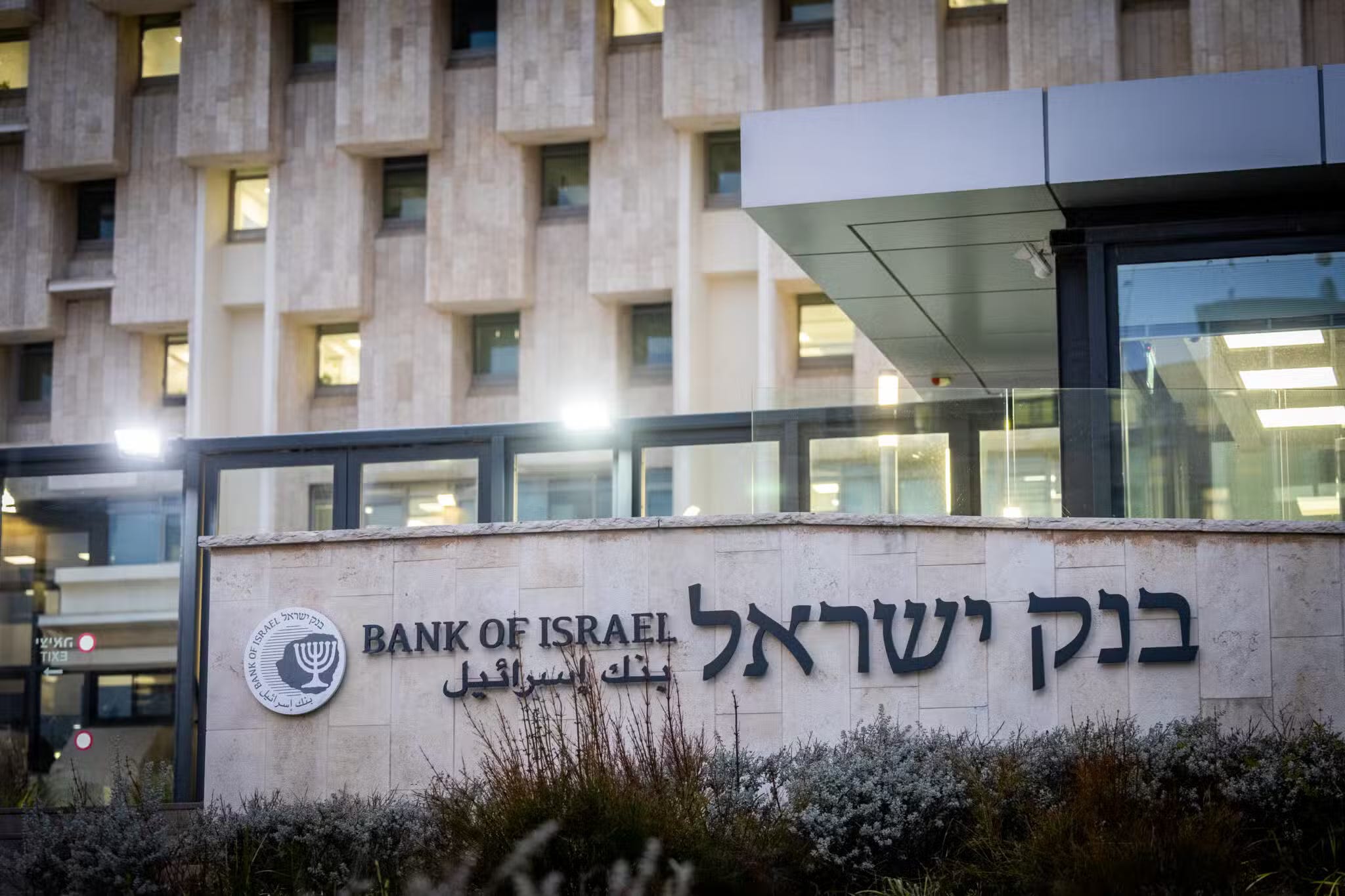
The Bank of Israel reported a record surge in foreign exchange reserves, which reached $235.745 billion in April - a $6.3 billion monthly increase. This liquidity cushion now represents 38.4% of Israel’s GDP. The central bank attributed the rise primarily to a $7.467 billion revaluation of its global portfolio, which comfortably offset $1.154 billion in government foreign currency activities.
Our take: The juxtaposition of S&P’s reaffirmation and the Bank of Israel’s historic $235 billion FX war chest illustrates a unique macroeconomic phenomenon: Israel operates a fortress balance sheet that intentionally divorces sovereign risk from localized geopolitical friction. For foreign institutional investors, the ‘A’ rating proves that Israel’s debt profile is structurally immune to standard emerging-market capital flight. The “why” behind this resilience is rooted in a captive domestic market. The state finances its widening deficit by aggressively tapping into a deep, highly concentrated pool of domestic pension and institutional savings. This structural oligopoly ensures that demand for shekel-denominated debt remains essentially inelastic, insulating the Treasury from the punitive yields typically demanded by international bond vigilantes during wartime.
However, the composition of the central bank’s record foreign reserves reveals a fascinating layer of optical statecraft. A sovereign liquidity buffer representing 38.4% of GDP is practically unheard of among OECD peers, serving as the ultimate firewall against speculative attacks on the shekel. Yet, April’s $6.3 billion monthly surge was not generated by organic trade inflows; it was overwhelmingly driven by a $7.4 billion market revaluation of the central bank’s global portfolio. The state is effectively utilizing the yield of international equity markets to quietly offset the $1.1 billion it burned in foreign currency activities. Ultimately, Israel’s macroeconomic stability is currently being subsidized by the forced participation of captive domestic savers on one side, and the arbitrage of global market yields on the other. It buys the Treasury critical breathing room, but it masks the heavy structural drag of a bloated wartime deficit that must eventually be reconciled.
Real Estate & Infrastructure
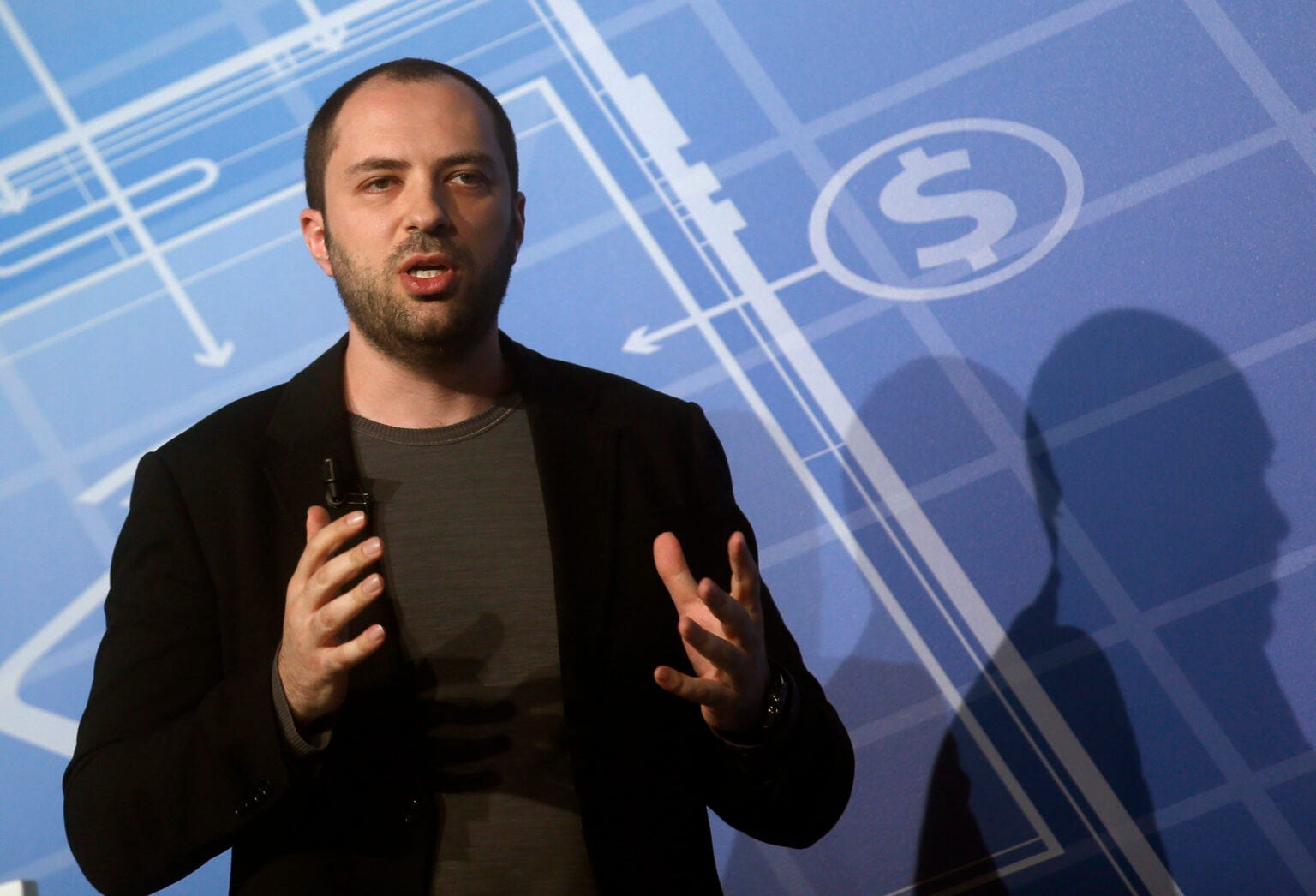
WhatsApp founder Jan Koum, via his family foundation, has signed a historic $200 million donation agreement with Shaare Zedek Medical Center. The funds will be deployed to construct a massive 24-story, 150,000-square-meter hospitalization tower, effectively doubling the facility’s capacity to 1,800 beds. Beyond sheer volume, the project incorporates advanced underground operating theaters and a rooftop helipad, with a projected six-year timeline for initial occupancy. In recognition of this capital injection, the single largest philanthropic gift ever granted to the Israeli healthcare system, the institution will officially rebrand as the Koum Shaare Zedek Medical Center, cementing an eight-year funding relationship between the tech billionaire and the hospital.
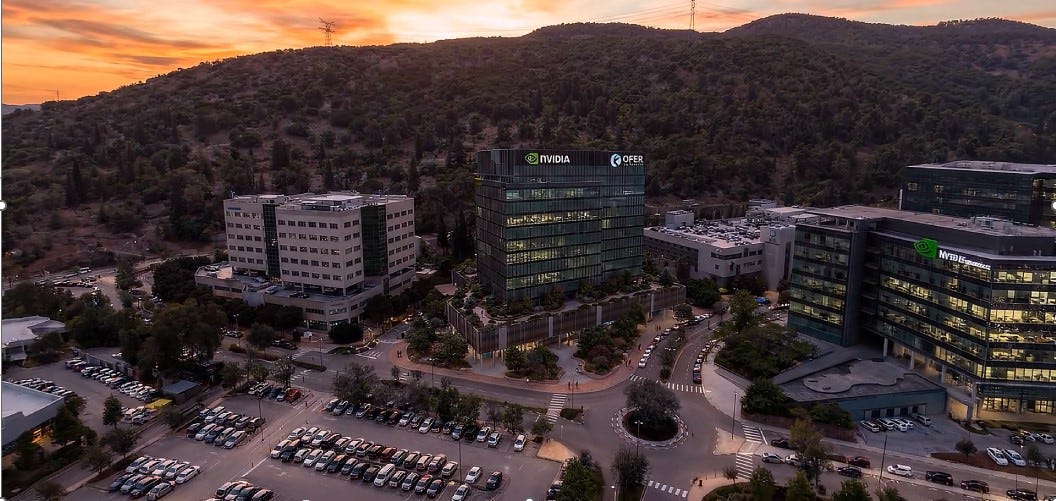
Nvidia is deepening its physical presence in Israel’s ‘Silicon Wadi,’ as BST Construction secures a ₪167 million contract from Melisron to build an 11-story office tower at the Ofer Yokneam High-Tech Park. The 43,000-square-meter project, slated for completion in May 2028, will meet LEED Gold standards and involves a rare partial delivery during construction.
Last week, the Caesarea estate of Russian oligarch Valery Kogan has re-entered the market with a staggering $210 million price tag. Handled by Sotheby’s International Realty, the 11-dunam property features 7,000 square meters of built space and 14-karat gold fixtures. Sotheby’s noted this figure reflects a reduction of tens of millions of dollars from the original ask, highlighting a recalibration in the ultra-premium asset tier after a recent $160 million offer failed to close the pricing gap.
Our take: The contrast between these three real estate developments highlights a distinct shift in how foreign capital is navigating Israeli market friction. On one side of the ledger, institutional and strategic capital is steadily deploying into productive, long-term civic and commercial infrastructure.
Nvidia’s willingness to commit to a 2028 delivery horizon, and its demand for staggered, mid-construction occupancy, demonstrates an enduring demand for Tier-1 R&D space that looks past near-term geopolitical noise to secure long-term yield. Concurrently, Jan Koum’s $200 million capital injection functions as a vital proxy for Foreign Direct Investment. By privately financing a 150,000-square-meter civic asset, Koum is effectively subsidizing the state’s healthcare infrastructure, removing a massive CapEx burden from the sovereign balance sheet and generating immediate macroeconomic velocity.
Conversely, the ultra-luxury residential market, a highly illiquid tier historically supported by concentrated offshore wealth, is facing notable price discovery challenges. The Kogan estate’s lingering $50 million bid-ask spread exposes the inherent liquidity friction within legacy mega-assets. While the broader Israeli housing market struggles with domestic supply-side bottlenecks, this ultra-premium tier is experiencing a fundamental recalibration of risk.
TASE snapshot for Monday, May 11, 2026
TA-35 Index (TASE:TA35): 🔴 -0.09%
TA-90 (TASE:TA90): 🔴 -1.26%
TA-125 (TASE:TA125): 🔴 -0.30%
If you enjoyed this update, forward it on.
TV10 Global | Israel for Investors
Bringing you the top stories from the Israeli business community, by Israel’s only business and finance network.
Share your thoughts with us via: global@tv10.co.il or the Newsroom WhatsApp: +972-55-994-5851.
📧 Subscribe to this newsletter! And follow the daily conversation on 𝕏 @tv10global.
Pings available via WhatsApp Channel.
Disclaimer: This brief is for informational purposes only and does not constitute investment advice. All data current as of publication date.


